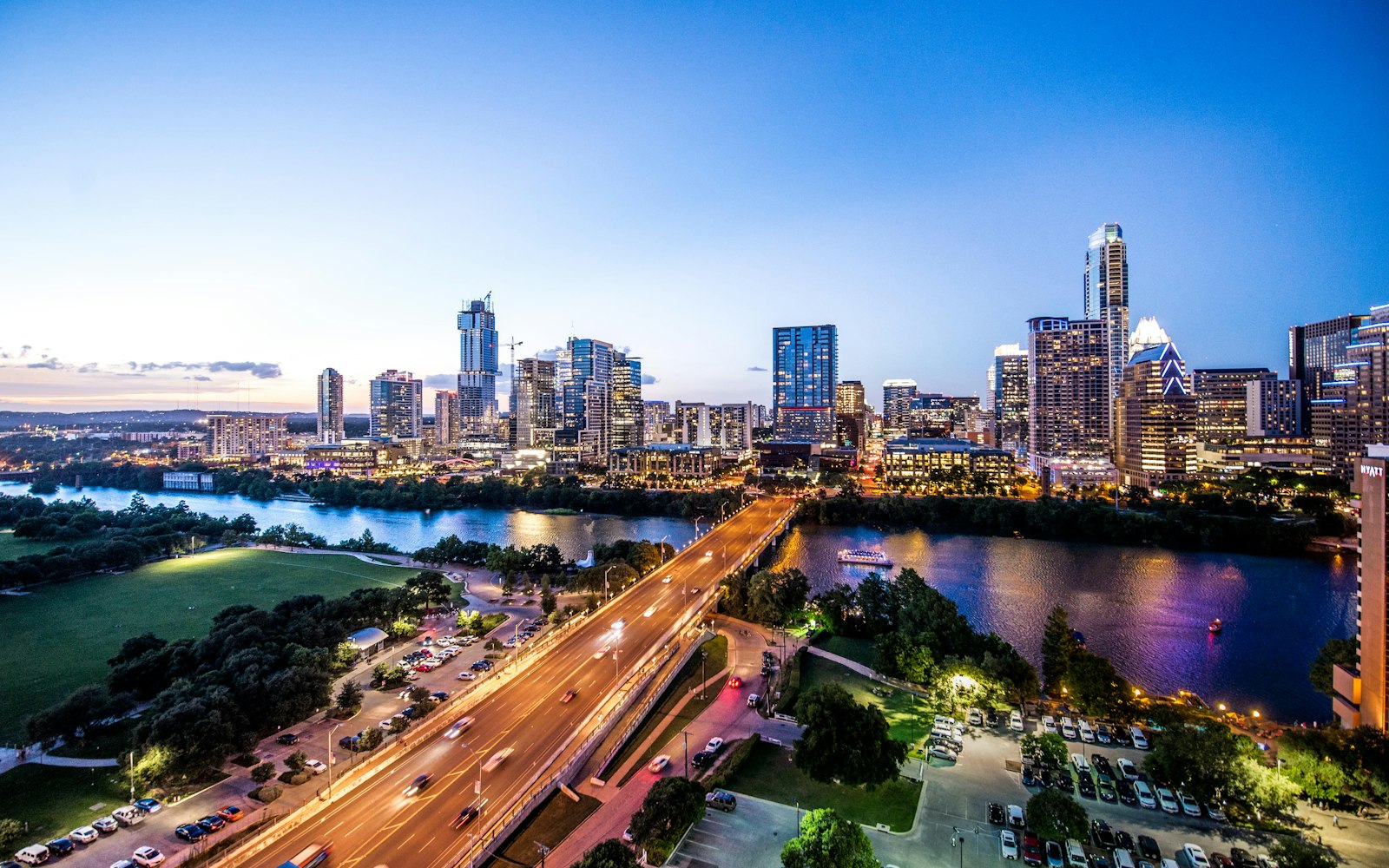
Austin's Best Live Music, BBQ & Tacos: A Local's Playbook
From Franklin BBQ strategy to Rainey Street crawls — how to eat, drink, and listen like a local
Austin Runs on Music, Smoke & Breakfast Tacos

Austin calls itself the Live Music Capital of the World, and for once, a city's marketing slogan is actually true. On any given night, there are more than 250 live music venues operating across the city — everything from legendary honky-tonks with sawdust floors to rooftop bars where indie bands play sunset sets over Lady Bird Lake. You can hear world-class music for free almost every night of the week. That's not an exaggeration.
But music is only one leg of the Austin tripod. The other two are food and the outdoors. This is a city where people will wait four hours in a Texas sun for brisket (and swear it's worth every minute). Where a $3 breakfast taco from a gas station is a genuine culinary experience. Where you can swim in a natural spring-fed pool in the middle of the city, watch 1.5 million bats emerge from under a bridge at sunset, and finish the night at a dive bar where the bartender knows everyone by name.
Austin has changed enormously in the past decade — tech money has flooded in, rents have skyrocketed, and longtime residents have complicated feelings about the growth. But the soul of the city is still here. You just have to know where to look, and more importantly, where not to look. This guide is from the people who've been here through all of it — the musicians, the pitmasters, the bartenders, the taco makers. Their Austin. The real one.
Let's break it down by what matters: where to eat, where to listen, where to drink, and where to find the Austin that hasn't been written about a thousand times already.
The BBQ: Franklin, la Barbecue & the Spots Locals Actually Go
Franklin Barbecue is the most famous BBQ joint in America. Aaron Franklin's brisket has been written about in the New York Times, featured on every food show imaginable, and draws a line that starts forming at 6 AM for an 11 AM opening. Is it worth the wait? Honestly, yes. The brisket is transcendent — a perfect smoke ring, bark that shatters, and meat so moist you don't need sauce. A pound of brisket is about $32, and you'll want at least half a pound per person plus a side of espresso barbecue beans.
But here's the local's secret: Franklin now takes preorders online. You can order by noon the day before for pickup the next day — no line. Check their website Tuesday through Saturday. It's the life hack that saves you four hours in the sun.
If you want the line experience without the Franklin crowd, la Barbecue on East Cesar Chavez has a shorter wait (usually 1-2 hours) and brisket that rivals Franklin on its best day. Their beef rib — a single bone the size of your forearm, glazed and glistening — is one of the most impressive things you'll ever eat. $35 per rib, and it feeds two.
For no-line BBQ that locals eat every week, Micklethwait Craft Meats on East 5th Street is a small trailer that does everything right. The pulled pork sandwich ($12) is perfect, the jalapeño cheese sausage is smoky and snappy, and the sides (especially the chipotle slaw) are better than most restaurants' main courses. They sell out by 1 PM most days, so go before noon.
Interstellar BBQ in Cedar Park (20 minutes north of downtown) has emerged as a serious contender in the Austin BBQ scene. The brisket is excellent, the turkey is some of the best in Texas, and because it's outside the city center, the line is rarely more than 30 minutes. Worth the drive.
Pro Tip
Texas BBQ joints close when they sell out — and the good ones sell out every day. If you're going to Franklin, la Barbecue, or Micklethwait, arrive at least an hour before opening. Bring a lawn chair, a cooler with drinks, and sunscreen. The line at Franklin is actually fun — regulars bring cards, books, and breakfast tacos. It's a social event, not a chore. But if you want the shortcut, that preorder system is the move.
Breakfast Tacos & the Great Taco Debate
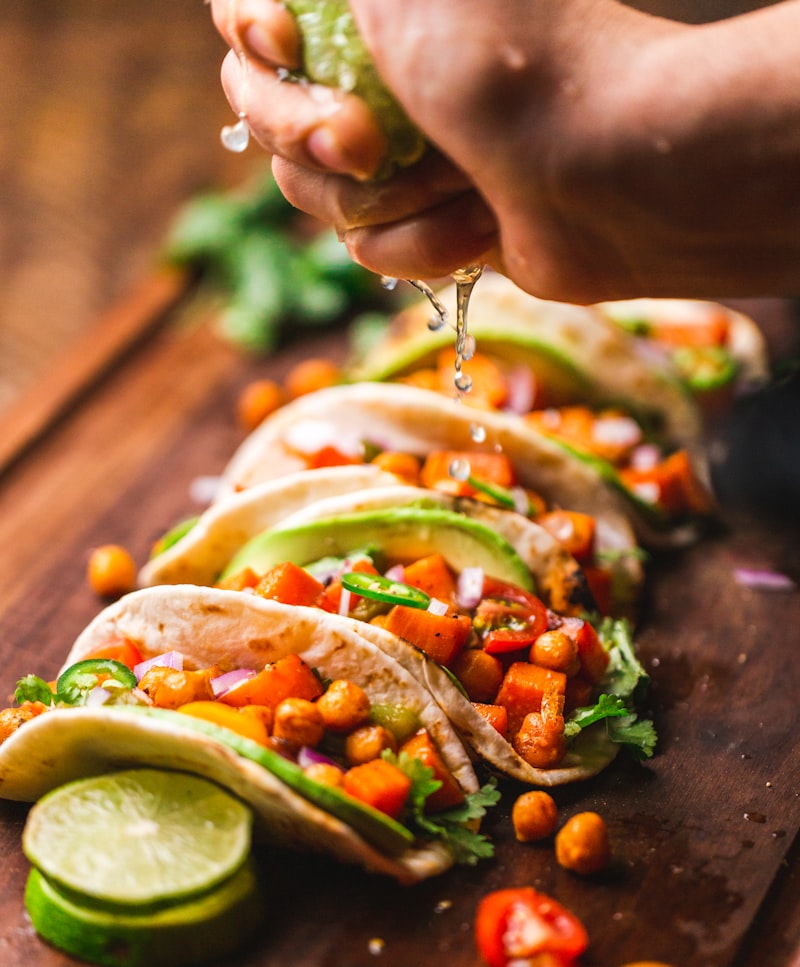
Breakfast tacos are Austin's love language. Not breakfast burritos — those are a different thing from a different state. A proper Austin breakfast taco is a small flour tortilla (sometimes corn, never hard shell) filled with scrambled eggs and one or two other things: bacon, potato, chorizo, migas (eggs with tortilla strips and cheese), bean and cheese, or barbacoa. They cost $2-5 each, you order two or three, and they're wrapped in foil so you can eat them with one hand while driving, walking, or standing in a parking lot at 7 AM. This is the Austin way.
The taco rivalry between Torchy's Tacos and Veracruz All Natural has been running for years, and locals have strong opinions. Torchy's is the chain that started in Austin — their Trailer Park taco (fried chicken, green chiles, lettuce, pico, cheese, and their secret Diablo sauce, $5.75) is a cult item, and the queso is universally loved. But Torchy's has expanded nationally now, and some purists say it's lost the magic.
Veracruz All Natural is the local favorite. Started by sisters Reyna and Maritza Vazquez from a trailer on East Cesar Chavez, Veracruz now has multiple locations across Austin. The migas taco ($4.25) is the thing to order — perfectly scrambled eggs with crispy tortilla strips, cheese, avocado, and their handmade salsa. It's simple and flawless. The trailer at Radio Coffee & Beer on Manchaca Road has the best vibe — a shaded patio, good coffee, and usually live music in the morning.
Joe's Bakery on East 7th Street is the old-school pick. It's been serving breakfast tacos to East Austin since 1962 — the carne guisada taco (braised beef in gravy, $3.50) is a Austin legend. The dining room looks like it hasn't changed in 40 years, and that's the charm.
For something different, Pueblo Viejo on South 1st Street serves Mexico City-style tacos from a bright blue trailer. The barbacoa taco with handmade corn tortillas ($4) is outstanding, and their agua frescas are the real thing — tamarind, horchata, and jamaica, all made in-house.
Don't sleep on the gas station tacos either. Tyson's Tacos on South 1st (inside a Shell station) serves overstuffed tacos 24/7 for $3-4 each. It looks sketchy. The tacos are legitimately great.
Pro Tip
The best breakfast taco strategy is to order from a trailer or small shop, not a sit-down restaurant. The tacos are made faster, they're cheaper, and the tortillas are usually better. Most taco trailers open at 7 AM and the morning rush hits between 8-9 AM. Go early or go late (after 10 AM) to skip the line. And always get the green salsa on the side.
Live Music: 6th Street vs Rainey Street vs South Congress
Austin's music scene is spread across several distinct neighborhoods, and each one has a completely different personality.
Dirty 6th (East 6th Street between Congress and I-35) is the rowdy, chaotic, college-energy strip. Bars are packed shoulder-to-shoulder on weekends, cover charges are rare, and you can bar-hop between live music venues for hours without spending more than the cost of your drinks. The music quality varies wildly — some nights you'll stumble into an incredible blues set at The Parish, other nights it's a cover band butchering Tom Petty. That unpredictability is the fun. Casino El Camino is the dive bar with the best burgers on the strip — the Buffalo Burger ($14) is messy, massive, and perfect at 1 AM.
Rainey Street is the opposite vibe. This neighborhood of converted bungalow-houses-turned-bars has a backyard-party feel — string lights, patios, food trucks, and a more relaxed, 25-35 age crowd. Bangers Sausage House & Beer Garden serves 30+ types of craft sausages ($9-14) with an outstanding beer list. Clive Bar has the best cocktails on the street. The music on Rainey is more curated and tends toward singer-songwriter, Americana, and indie rock.
South Congress (SoCo) is Austin's most walkable and photogenic strip. The "i love you so much" mural on the side of Jo's Coffee is the city's most Instagrammed spot. Continental Club has been hosting live music since 1955 — no cover for happy hour sets (usually 5-7 PM) featuring some of Austin's best musicians. C-Boy's Heart & Soul next door books blues, soul, and R&B acts in a dark, intimate room. For food on SoCo, Home Slice Pizza serves New York-style pies on a packed patio ($4.50/slice, $22-28 whole pies), and Perla's does oysters and Gulf seafood on a gorgeous tree-shaded deck ($25-45 per person for dinner).
For the real Austin music experience, skip the tourist zones entirely and catch a show at The White Horse on East 6th (not Dirty 6th — further east). It's a honky-tonk with free live music every night — two-stepping, country, Western swing — and the crowd is a mix of cowboys, hipsters, and everyone in between. No cover, $5 Lone Stars, and a dance floor that gets wild after 10 PM.
Pro Tip
Most live music in Austin is free or costs $5-15 at the door. The big exception is touring acts at venues like ACL Live at the Moody Theater or Stubb's Amphitheater, which can run $30-80+. For free live music, pick up a copy of the Austin Chronicle (free at coffee shops and bars) — it lists every show in town by date and venue. Continental Club happy hour (free, daily, 5-7 PM) is the single best music recommendation in this guide.
Barton Springs, the Bats & Outdoor Austin

Barton Springs Pool is Austin's crown jewel — a 3-acre, spring-fed swimming pool in the middle of Zilker Park that stays a constant 68-70°F year-round. The pool is carved out of the natural limestone creek bed and fed by underground springs at a rate of 27 million gallons per day. Admission is $5 for adults on weekdays, $8 on weekends, and locals swim here daily, year-round — yes, even in January. The water is bracingly cold when you first get in, and then it's heaven. Go on a weekday afternoon for the most space. The grassy hillside around the pool is perfect for lounging.
The Ann & Roy Butler Hike-and-Bike Trail loops 10 miles around Lady Bird Lake (which is actually a river, but don't argue with locals about this). The trail is flat, shaded in stretches, and connects to the Boardwalk section that extends over the water. Rent a kayak or paddleboard from the Rowing Dock on the lake's south shore ($15-20/hour) for a different perspective of the city skyline.
The Congress Avenue Bridge bat colony is one of Austin's most unique attractions. From March through November, approximately 1.5 million Mexican free-tailed bats live under the bridge, and every evening at sunset they emerge in a massive cloud to feed on insects. It's free, it's spectacular, and it lasts about 20 minutes. The best viewing spot is the south bank of Lady Bird Lake, east of the bridge. Arrive 30 minutes before sunset to grab a spot.
For a day trip, Hamilton Pool Preserve is a collapsed grotto with a 50-foot waterfall about 30 minutes west of Austin. Reservations are required ($12 per vehicle plus $5/person) and sell out weeks ahead in summer. The swimming hole is surreal — turquoise water surrounded by limestone overhangs dripping with ferns. It's one of the most beautiful natural spots in Texas.
McKinney Falls State Park, just 15 minutes south of downtown, has swimming holes, hiking trails, and the ruins of an 1850s homestead. It's $6 per person and rarely crowded on weekdays. The lower falls swimming area is the most popular, but walk upstream to the upper falls for a quieter spot.
Pro Tip
Barton Springs closes on Thursdays for cleaning until 7 PM — don't plan your visit for a Thursday morning. Also, the pool occasionally closes after heavy rain due to water quality concerns. Check the City of Austin website before you go. Bring cash for the entrance fee and a towel — there are no rentals. The pool is deep (18 feet at the deepest point), so it's not ideal for non-swimmers, but the shallow end near the dam is only 2-3 feet deep.
Budget Breakdown & Essential Austin Tips
Austin is one of the more affordable major cities in Texas for visitors, though it's gotten more expensive as the city has grown. Here's what to actually expect.
Hotels downtown run $150-280/night. For better value, look at South Congress or East Austin — boutique hotels and Airbnbs in the $100-180 range with more character and better food within walking distance. The Line Hotel on Lady Bird Lake is the splurge pick ($200-350/night) with a gorgeous pool, lakeside bar, and direct trail access.
Food is where Austin is an incredible value. Breakfast tacos: $6-10 for a filling breakfast. BBQ lunch: $15-25 per person for the best brisket in the world. Dinner at a mid-range restaurant on Rainey Street or East 6th: $20-35 per person. A full day of eating well in Austin costs $40-60 — try that in San Francisco or New York.
Drinks are reasonable too. Draft beer at most bars: $5-7. Cocktails on Rainey Street: $10-14. A Lone Star tallboy at a dive bar: $3-4. Happy hour specials are everywhere and usually run 4-7 PM.
Transit: Austin's public transit isn't great — this is a car city. Uber/Lyft rides within the central core run $8-15. Scooters (Lime, Bird) are everywhere and cost about $1 to start plus $0.39/minute. If you're staying downtown and only visiting central neighborhoods, you can manage without a car. But for day trips (Hamilton Pool, Interstellar BBQ, etc.) you'll need one.
Realistic 3-day budget: $500-800 per person for hotel, food, drinks, live music, and one outdoor activity. Austin rewards the budget-conscious traveler — the best music is free, the best food is cheap, and the best outdoor activities cost $5-8. The city's most expensive trap is drinking on 6th Street on a Saturday night, where bar tabs add up fast. Set a drink budget and switch to Lone Stars when you hit it.
One more thing: Austin is hot. Between June and September, daytime temperatures regularly hit 100°F+. Schedule outdoor activities for early morning, retreat to air-conditioned bars and restaurants in the afternoon, and come back out after sunset. Hydration is not optional — carry water everywhere.
Pro Tip
The single best budget tip for Austin: go during the shoulder season (October-November or March-April). The weather is perfect (70s and sunny), hotel prices drop after SXSW and before summer, the music scene is thriving, and you'll avoid the brutal summer heat. Austin in October is one of the best travel experiences in the country.
Disclosure: This post may contain affiliate links. We earn a commission at no additional cost to you when you purchase through our links.