
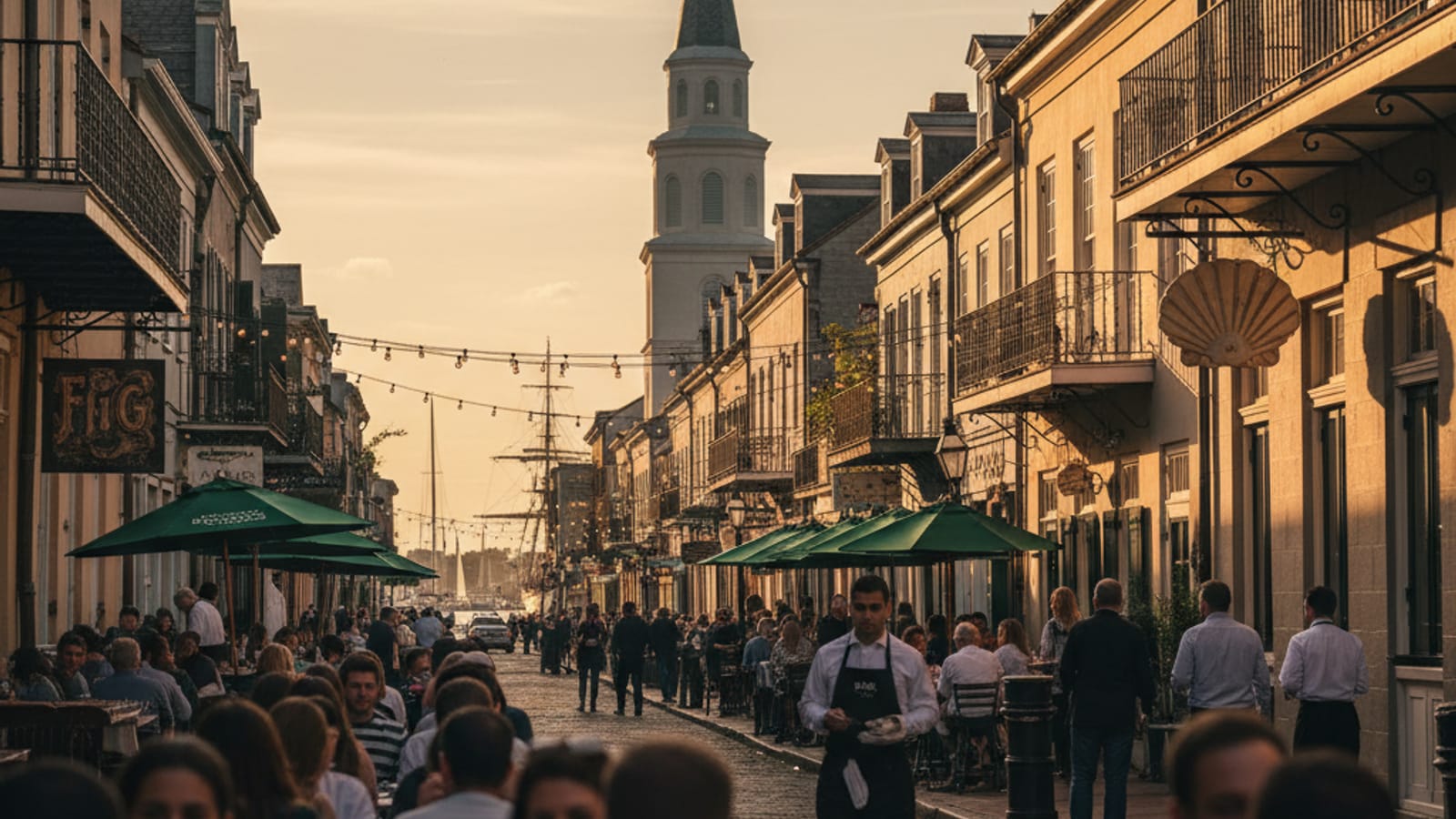
Last updated March 16, 2026 by the Recommended.app research team.
Husk: The Restaurant That Changed Southern Food
Every conversation about Charleston dining starts with Husk, and it should. When chef Sean Brock opened Husk on Queen Street in 2010, he didn't just open a restaurant — he launched a movement. The concept was deceptively simple but radically ambitious: if an ingredient wasn't grown, raised, or produced in the South, it wouldn't be in the building. No olive oil. No European butter. No imported chocolate. Every single thing on the plate had to come from Southern soil, Southern waters, or Southern hands.
This wasn't a marketing gimmick. Brock spent years building relationships with small farmers, heritage seed preservationists, and artisanal producers across the South. He tracked down heirloom varieties of corn, wheat, and rice that hadn't been commercially grown in decades. He worked with the Anson Mills grain company to revive Carolina Gold rice, the crop that built Charleston's economy in the 18th century and then nearly disappeared. The result was food that didn't just taste good — it tasted like a specific place and a specific history.
The menu at Husk changes daily based on what's available from their network of farms and purveyors. You might see seared grouper with field peas and okra one night and heritage pork chop with benne seed and sorghum the next. The cornbread, baked in a screaming-hot cast iron skillet with heritage cornmeal, is a permanent fixture and arguably the best cornbread in America. The vegetables are treated with the same respect as the proteins — a plate of roasted beets or braised greens at Husk is a complete culinary experience, not an afterthought.
But the item that draws the most passionate devotion is the Husk cheeseburger, available only at lunch. Made with a blend of heritage breed beef, American cheese, Benton's bacon, and a house-made bun, it's regularly named one of the best burgers in America. The lunch service is walk-in only, and the wait is usually 15-30 minutes on weekdays, longer on weekends. The burger alone is worth the trip to Charleston, and people have literally planned vacations around it.
The space itself is gorgeous — a restored 1893 Queen Anne-style mansion with wide-plank floors, original fireplaces, and a wrap-around porch that's the most coveted seating in the restaurant. Eating at Husk feels like dining in a wealthy friend's historic home, if that friend happened to employ one of the most influential chefs in America.
Reservations for dinner are essential and should be made two to three weeks in advance, especially for Friday and Saturday nights. The prix fixe tasting menu is the best way to experience Brock's full vision, but the a la carte menu is equally compelling and slightly more accessible. Budget $60-90 per person for dinner with a drink, or $25-35 for the lunch burger experience.
Pro tip: For the lunch burger, arrive at 11:15 AM on a weekday — doors open at 11:30 and you'll beat the noon rush. The burger sells out some days, so don't wait until 1 PM.
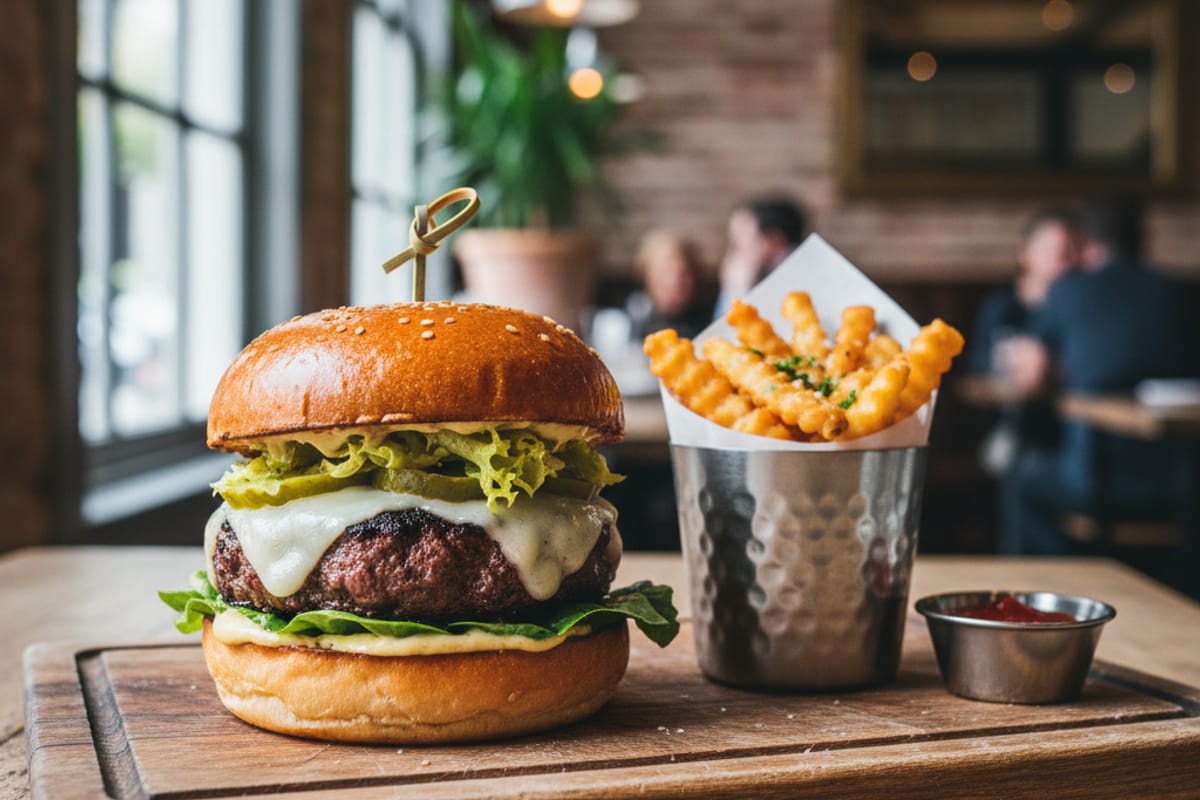 The Husk cheeseburger — regularly named one of the best burgers in America.
FIG: The Quiet Giant of Charleston Dining
If Husk is the restaurant that gets the national attention, FIG (Food Is Good) is the restaurant that gets the local devotion. Chef Mike Lata has been running FIG on Meeting Street since 2003, and in that time he's earned a James Beard Award for Best Chef Southeast, built one of the most consistent kitchens in the South, and somehow managed to keep the restaurant feeling like a neighborhood bistro instead of a culinary temple.
FIG's approach is market-driven in the truest sense — Lata shops the local farmers' market personally and builds the menu around what's best that day. This sounds like a cliche in the era of farm-to-table dining, but FIG was doing it before it was a trend, and they do it with an honesty and a lack of pretension that's increasingly rare. The menu is short, which is a good sign — it means everything on it is there because it deserves to be, not because it fills a demographic niche.
The fish preparations at FIG are extraordinary. Lata has a gift for cooking fish simply and perfectly — a piece of fresh grouper or triggerfish, seared with a crisp skin and served with seasonal vegetables and a sauce that enhances without overwhelming. It sounds simple, and that's the point. Great ingredients, perfect technique, no unnecessary complexity. The ricotta gnocchi with mushrooms is another signature — pillowy, rich, and deeply satisfying in a way that's hard to explain until you've had it.
The wine list at FIG deserves special mention. It leans European, with excellent selections from France, Italy, and Spain, curated by people who clearly drink wine for pleasure and not just for points. The by-the-glass options change regularly and are always interesting. If you're not sure what to order, tell your server what you like and trust their recommendation — the staff at FIG is knowledgeable without being pretentious, which is the restaurant's ethos in miniature.
The room itself is understated — exposed brick, warm lighting, closely spaced tables that create an intimacy verging on eavesdropping distance. It's loud when it's full, which is every night, and the energy is wonderful. You'll hear a mixture of locals celebrating anniversaries, food tourists comparing notes, and College of Charleston professors having spirited arguments about whatever professors argue about.
Reservations are strongly recommended and should be made a week in advance. FIG doesn't take reservations more than 28 days out, which levels the playing field somewhat. Bar seating is available for walk-ins, and eating at the bar is a perfectly good option. Budget $55-80 per person for dinner with wine.
Pro tip: FIG's bar is walk-in only and the full menu is available. Arrive at 5:30 PM when doors open to grab a bar seat without a wait. The bartenders are excellent and the view of the open kitchen from the bar is a bonus.
The Ordinary: Seafood in a Former Bank Vault
The Ordinary is Mike Lata's second restaurant, and if FIG is his neighborhood bistro, The Ordinary is his grand brasserie. Located in a former bank building on King Street, the space is magnificent — soaring ceilings, marble floors, an enormous central bar, and a raw bar that functions as the restaurant's beating heart. The design feels like a Parisian seafood palace transported to the American South, and the food lives up to the architecture.
The raw bar is where to start, and for many diners, it's where they stay all night. The oyster selection typically features eight to twelve varieties sourced from both coasts, with an emphasis on East Coast varieties that pair beautifully with the house mignonette. The raw bar plateau — a tiered tower of oysters, clams, shrimp, crab, and lobster — is the showstopper, a cascading monument to American shellfish that feeds two to four people and costs about $75-120 depending on the size. It is worth every cent. Watching the raw bar team build these towers is a performance in itself.
Beyond the raw bar, The Ordinary excels at both classic and creative seafood preparations. The lobster roll is New England-style — cold lobster, light mayo, buttered roll — and it's one of the best south of Connecticut. The she-crab soup is a refined take on Charleston's signature dish, richer and more delicate than most versions. And the whole fried flounder, served with preserved lemon and herbs, is a masterpiece of the form — crispy, moist, and bursting with flavor.
The cocktail program at The Ordinary is outstanding. The bartenders specialize in classic cocktails with a coastal twist — think martinis made with local botanicals, Negroni variations with citrus from nearby farms, and a range of effervescent drinks that pair perfectly with shellfish. The wine list tilts toward Champagne, Muscadet, and other wines that were born to accompany raw oysters.
The room can get loud — the marble and high ceilings create an echo chamber effect when the restaurant is full, which is most nights. Some people find this energizing; others find it challenging. If you prefer conversation, request a table along the perimeter rather than in the center of the room. The back dining room is quieter and equally beautiful.
Lunch at The Ordinary is a hidden gem in itself. The restaurant serves a more casual lunch menu on weekdays with sandwiches, soups, and a smaller raw bar selection at lower prices. The lobster roll at lunch is the same as dinner but costs a few dollars less, and the room is quieter and brighter with natural light streaming through the enormous windows.
Reservations are essential for dinner, especially on weekends. Book one to two weeks in advance. Budget $60-100 per person for dinner depending on how deep into the raw bar you go.
Pro tip: Order the raw bar plateau for the table to start, then order individual entrees. This lets everyone sample the full range of shellfish while still getting a personal main course. The sweet spot is the medium plateau ($95) for two people.
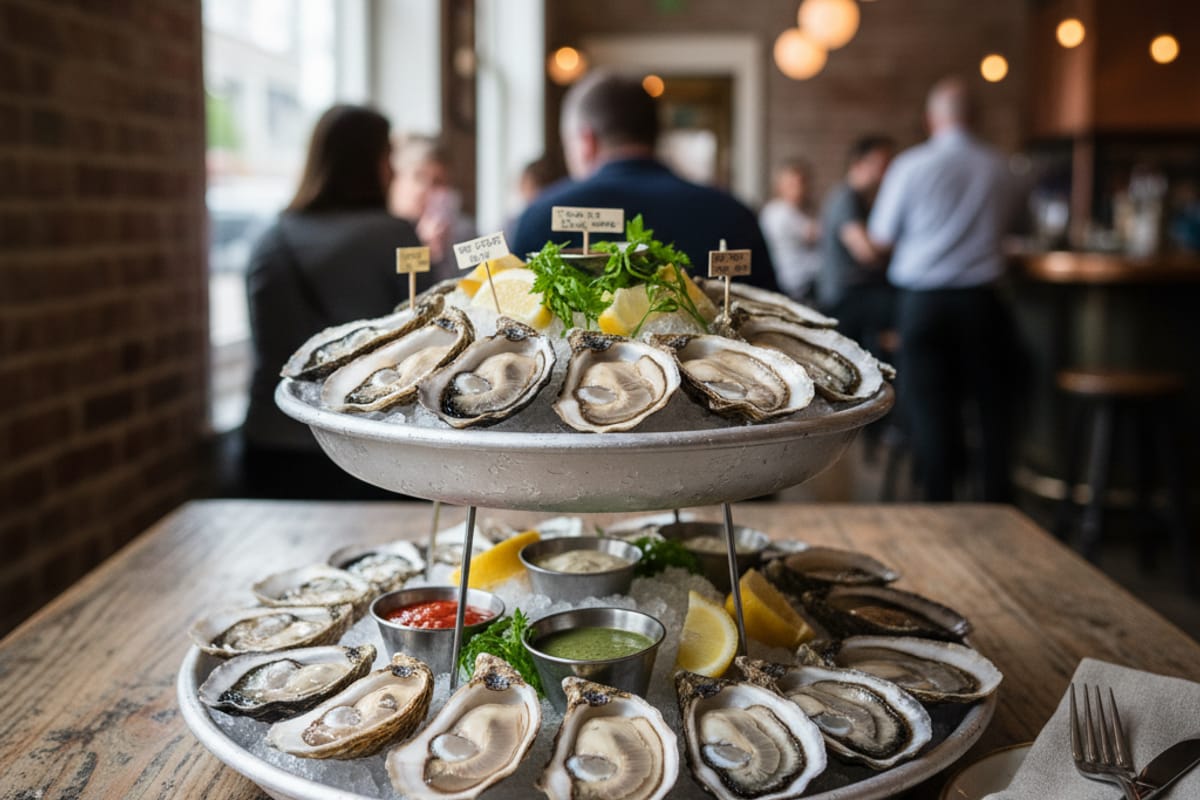 The Ordinary's raw bar plateau — a monument to American shellfish.
Rodney Scott's BBQ: Whole Hog, Whole Heart
Rodney Scott has been cooking whole-hog barbecue since he was a teenager, standing over pits at his family's store in Hemingway, South Carolina, learning a technique that goes back generations. When he opened Rodney Scott's BBQ on King Street in Charleston in 2017, he brought that tradition to the city and immediately changed the barbecue landscape of the South. In 2018, he won the James Beard Award for Best Chef Southeast — the same award typically given to white-tablecloth chefs — and it was a watershed moment for American food, an acknowledgment that a man cooking pork over wood coals in a cinder-block pit was operating at the same level as any chef in any kitchen in the country.
The whole-hog process at Rodney Scott's is an overnight affair. Whole pigs are placed on grates over hardwood coals and cooked low and slow for twelve or more hours, flipped once by hand (a dangerous and skilled maneuver), and basted with Rodney's signature vinegar-pepper sauce. The result is pulled pork that has multiple textures and flavors in every bite — crispy bark, smoky shoulder meat, tender belly, and lacy bits of caramelized fat. It's served on a simple tray with white bread and your choice of sides.
The sides deserve their own paragraph. The collard greens are braised for hours until they're silky and deeply savory, balanced with a touch of vinegar that cuts the richness. The baked beans are smoky and sweet without being cloying. The coleslaw is vinegar-based (as God intended) and provides a sharp, crunchy contrast to the fatty pork. The macaroni and cheese is the only side that feels like a concession to crowd-pleasing rather than tradition, and it's still better than most.
The pork skins are the sleeper hit of the menu. Fried in-house and dusted with a light seasoning, they arrive hot and shatteringly crisp, unlike any bagged pork rind you've ever eaten. Order them as a starter and try not to eat them all before your pulled pork arrives. The ribs, when available, are dry-rubbed and cooked over the same wood coals as the hogs — they sell out early, so order them when you see them on the board.
The restaurant itself is casual and welcoming — order at the counter, find a seat at a communal table or on the patio, and eat off a tray. Beer and cocktails are available, and the frozen Rodney's Whole Hog Margarita is better than it sounds. The patio has a full pit setup where you can watch the cooking process, and on busy nights the smoke and the smell of burning hardwood create an atmosphere that's almost primal.
No reservations are taken. Lines form on weekend afternoons, especially during tourist season, but they move quickly. Budget $14-20 per person for a full tray with sides and a drink. For the quality you're getting, this is one of the best food values in Charleston.
Pro tip: Go on a weekday between 11 AM and noon for the shortest wait and the freshest pork, pulled straight from the morning cook. Ask for extra crackling (the crispy bark) — they'll add it for free if it's available.
Callie's Hot Little Biscuit: The $4 Masterpiece
Some of the best food in Charleston costs less than a latte. Callie's Hot Little Biscuit on Upper King Street sells handmade biscuits for $3-5 each, and they are, without exaggeration, some of the finest biscuits in the American South. Carrie Morey started the business based on her mother Callie's recipes, and what began as a mail-order operation grew into a storefront that now has a permanent line out the door.
The biscuits are made in small batches throughout the day, so they're always fresh and warm. The buttermilk biscuit is the foundation — tall, flaky, tender, with a golden crust that shatters when you bite into it and a soft, buttery interior that practically melts. It's the kind of biscuit that makes you realize every biscuit you've had before was just rehearsal.
The flavored varieties are where Callie's gets creative. The pimento cheese biscuit is a Charleston institution in miniature — sharp cheddar and pimento folded into the dough, creating pockets of cheese throughout that caramelize on the surface. The cinnamon biscuit is dessert masquerading as breakfast, with a swirl of cinnamon sugar through the layers. The blackberry is seasonal and extraordinary when available. And the country ham biscuit, with thin-sliced dry-cured ham on a plain buttermilk biscuit, is the kind of simple perfection that defines Southern food at its best.
The shop itself is tiny — maybe ten feet wide — with a counter, a display case, and not much else. There's no seating inside, just a bench outside where you can sit and eat your biscuit while watching King Street wake up. This is by design. Callie's isn't trying to be a restaurant; it's trying to be the best biscuit shop in the world, and by keeping the operation focused, they succeed.
The line can stretch down the block on weekend mornings, but it moves fast — the staff is efficient and the menu is simple. On a weekday morning, you might wait five minutes. On a Saturday at 10 AM, plan for twenty. Either way, the wait is worth it. A biscuit and a coffee from Callie's, eaten on a bench on King Street in the morning sun, is one of the best $8 breakfast experiences in America.
Callie's also ships biscuits nationwide through their website, and they sell frozen biscuit dough at their shop and at local grocery stores. The frozen version is good — really good, actually — but it's not the same as eating a warm biscuit straight from the oven in the shop. Some things you just have to experience in person.
Pro tip: Callie's opens at 8 AM and the first batch is ready when the doors open. The best move is to get there at 8, order a pimento cheese biscuit and a buttermilk biscuit, and walk to White Point Garden at the Battery to eat them overlooking the harbor. Best breakfast in Charleston for under $10.
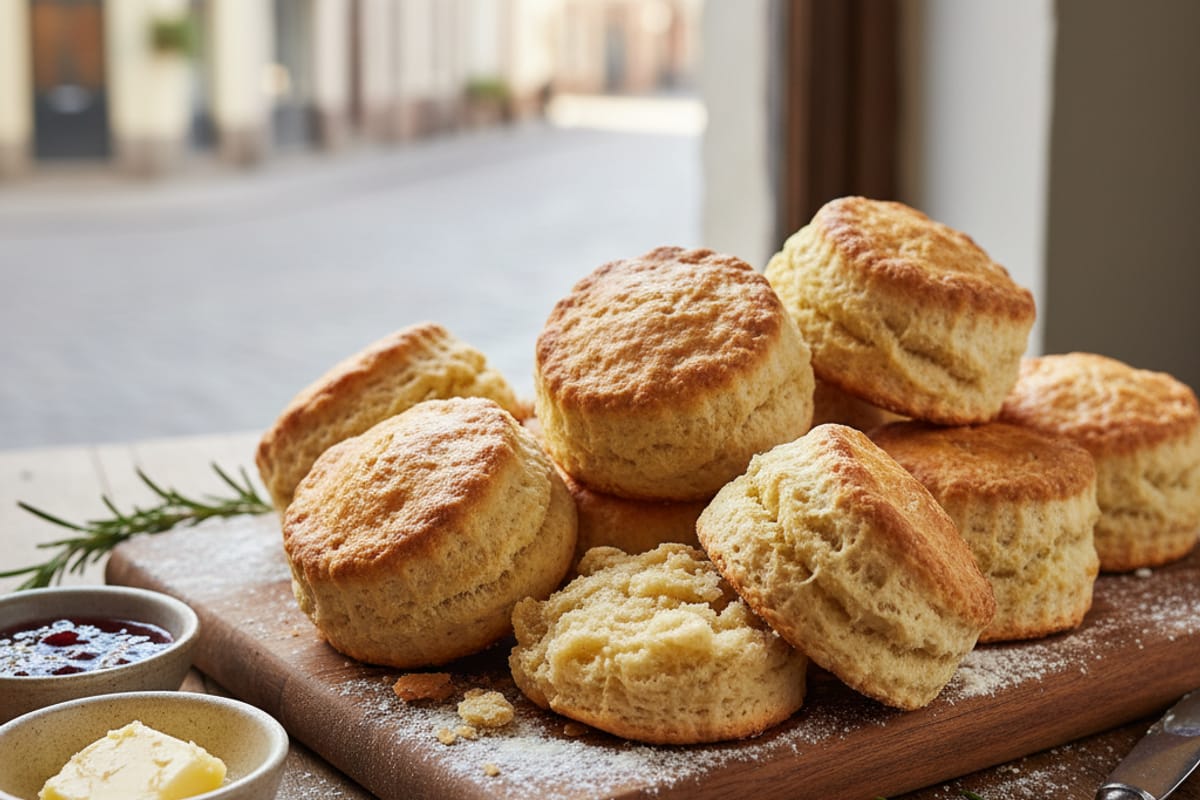 Callie's biscuits — small batches, all day, always warm.
Where to Skip: The Market Street Tourist Traps
Charleston has remarkably few bad restaurants compared to most tourist cities, but the ones that exist tend to cluster around the City Market on Market Street. This stretch, roughly from Meeting Street to East Bay, is lined with restaurants that survive on foot traffic rather than food quality. The menus all look the same — she-crab soup, fried shrimp, crab cakes, shrimp and grits — and the prices are 30-50 percent higher than you'd pay for the same dishes two blocks away.
The biggest offenders are the large, multi-story restaurants with sidewalk barkers trying to lure you in with promises of live music and happy hour specials. If someone is standing on the sidewalk trying to get you to eat at their restaurant, that's a reliable sign that the food won't get you in the door on its own. The she-crab soup at these places comes from a base, the shrimp is frozen, and the grits are instant. You deserve better, and Charleston has so much better to offer.
The Market Street problem extends to some of the restaurants on Vendue Range and along the waterfront near the cruise terminal. During cruise ship days, these restaurants gear up for volume, not quality, and the dining experience reflects it. Long waits, rushed service, and food that's been sitting under heat lamps.
This doesn't mean you should avoid the Market area entirely — the market itself is worth visiting, and there are excellent restaurants nearby. Magnolias on East Bay Street, just a block from the market, serves creative Southern cuisine that's a cut above the tourist spots. Virginia's on King is a neighborhood-style restaurant with fair prices and excellent Lowcountry brunch. And Fleet Landing, on the waterfront, has views of the harbor and seafood that's actually worth the waterfront premium.
The general rule in Charleston is the same as any food city: walk two blocks away from the major tourist attractions and the food gets better while the prices go down. Upper King Street, Spring Street, the neighborhoods north of Calhoun — that's where the chefs who live in Charleston actually eat. Follow them, not the crowds, and you'll eat extraordinarily well.
One more thing to skip: overpriced cocktails at hotel lobby bars in the historic district. Many of these bars charge $18-22 for basic cocktails in an atmosphere that's more pretentious than pleasant. Instead, head to The Gin Joint on East Bay Street for inventive cocktails at fair prices, or Proof on Upper King for a rooftop bourbon experience that's half the price and twice the fun of any hotel bar in town.
Why Trust This Guide
Recommendations from locals across 240+ US cities via Recommended.app community data.
Explore More
Related guides:
This guide is part of our Charleston collection. Explore more guides for Charleston →
Charleston has 172 verified businesses on Recommended.app across 73 categories, with an average rating of 4.7 out of 5.
Hidden Gems Weekly
3 hidden gems, 2 local quotes, 1 home hack — every Monday. Free forever.
Unsubscribe anytime. No spam.
More from City Guides
 Food & Dining
Charleston: Historic Charm and Southern Food
 City Guide
Charleston Hidden Gems Tourists Walk Right Past
 City Guide
First Time in Charleston? Locals Wish You Knew These 12 Things
 Home Services
Water Damage Restoration Near Me: What to Do in the First 24 Hours (2026 Guide)
 Food & Dining
Best Buffet in Las Vegas 2026: What's Still Worth It After the Great Buffet Collapse
 Food & Dining