
Last updated March 15, 2026 by the Recommended.app research team.
Free Attractions: San Antonio's Best Experiences Cost Nothing
San Antonio has more genuinely excellent free attractions than almost any major city in the United States, and this isn't about settling for second-rate alternatives — the free stuff here is the main event. In most cities, the best attractions charge $25-40 per person. In San Antonio, the things you absolutely must do cost zero dollars.
The Alamo is free. It has always been free. You can walk through the chapel, explore the Long Barrack, view the new museum exhibits, and spend time in the gardens without paying a cent. This is the most visited attraction in Texas, a genuine piece of American history, and it costs nothing. Plan to spend 60 to 90 minutes here for a complete experience. Arrive before 9:30 AM to avoid the worst of the crowds.
The San Antonio Missions — all four of them — are free. Mission Concepción, Mission San José, Mission San Juan, and Mission Espada are managed by the National Park Service and collectively form a UNESCO World Heritage Site. Ranger-led tours are available at no charge. Mission San José alone, with its stunning Rose Window and fully restored compound, would be worth a $20 admission fee at any other historic site. Here, you walk right in. Budget two to three hours to visit all four by car, or four to five hours by bike along the Mission Reach trail.
The Japanese Tea Garden is free. This gorgeous public garden, built inside an old limestone quarry, features waterfalls, koi ponds, stone bridges, and lush tropical landscaping. It's open daily from dawn to dusk, and there's no admission gate. You just walk in. It's one of the most photogenic places in the city and it costs absolutely nothing.
The River Walk is free to walk. All 15 miles of it — the main downtown stretch, the Museum Reach to the Pearl, and the Mission Reach south to the missions. You can spend an entire day walking, exploring, and people-watching along the river without spending a dollar. The public art installations along the Museum Reach are essentially a free outdoor gallery.
San Fernando Cathedral on Main Plaza is free to enter. It's the oldest cathedral in the United States, and on Tuesday, Friday, Saturday, and Sunday evenings, a spectacular 24-minute video projection called The Saga illuminates the entire facade with the story of San Antonio's history. It's one of the most impressive public art installations in any American city, and it's completely free.
The Pearl Farmers Market on Saturday mornings is free to browse. You don't need to buy anything to enjoy the atmosphere, the live music, and the spectacle of one of the best farmers markets in the South. Of course, you'll probably want to buy something — the tamales and pastries are hard to resist — but the entry cost is zero.
Main Plaza and Milam Park downtown host regular free concerts, cultural festivals, and community events throughout the year. Check the Main Plaza website or the San Antonio Current newspaper for weekly event listings. During Fiesta in April, many of the street events and parades are free to attend.
Add it up: the Alamo, four UNESCO missions, a Japanese tea garden, a 15-mile river walk, the oldest cathedral in America with a free light show, and a world-class farmers market — all free. That's a full weekend of top-tier cultural experiences without paying a single admission fee. Name another major American city where that's possible.
Pro tip: The McNay Art Museum, one of the best modern art museums in Texas, offers free admission on the first Sunday of every month. The Witte Museum offers free admission on the first Tuesday. The DoSeum (children's museum) has free admission on the third Sunday. Stack your free-admission days with your visit dates for maximum savings.
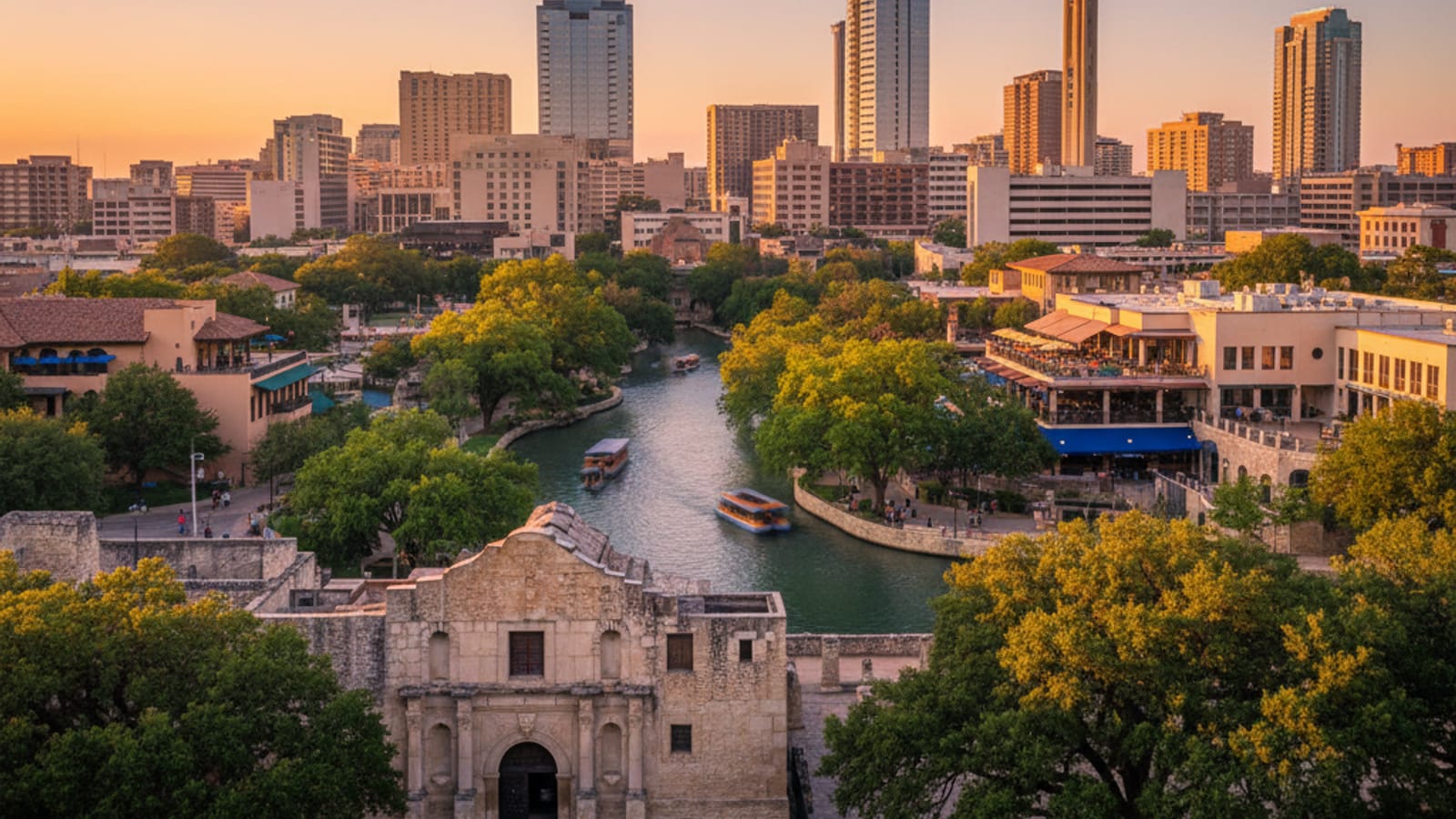
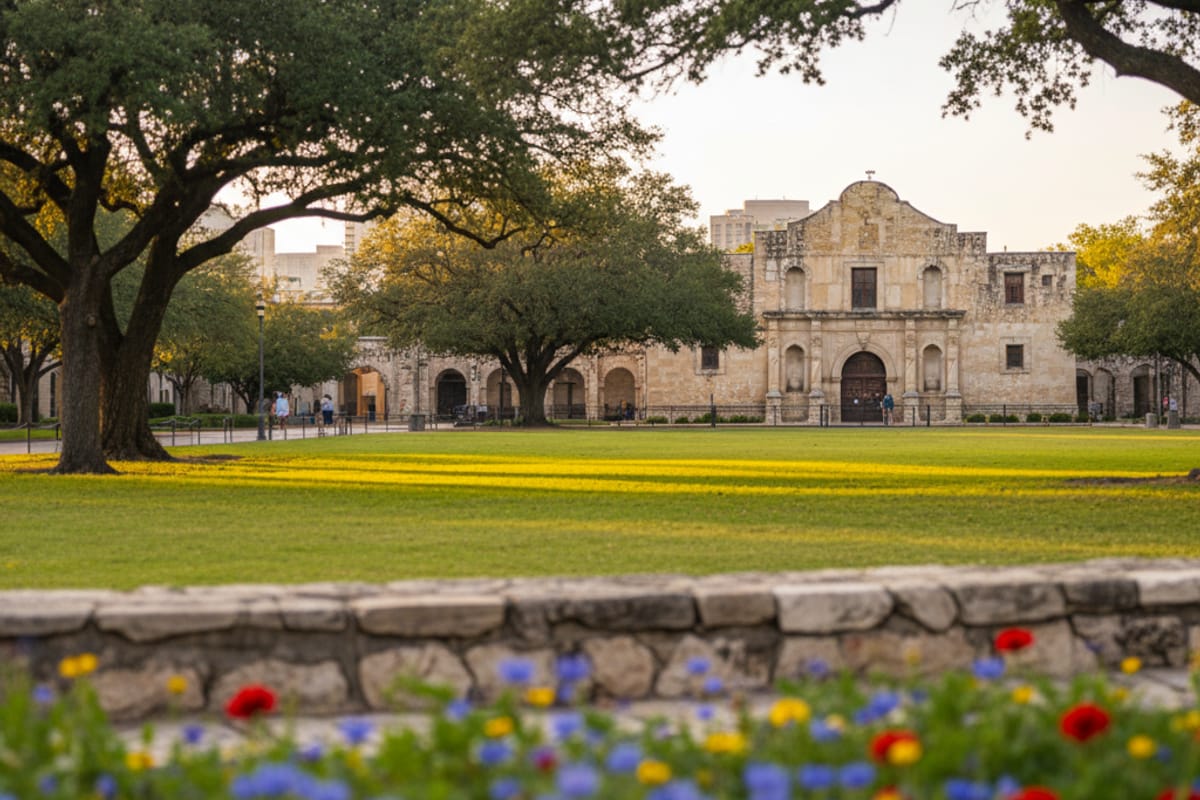 The Alamo — the most visited site in Texas, and it's completely free.
Cheap Eats: Incredible Food Under $10
San Antonio is one of the best food cities in America, and it's also one of the cheapest. The city's culinary identity is built on Tex-Mex, breakfast tacos, and Mexican street food — cuisines that are inherently affordable. You can eat extraordinarily well here for $25-35 per day per person, which is roughly half what you'd spend for comparable quality in Austin, Houston, or Dallas.
Breakfast tacos are the foundation of budget eating in San Antonio. At neighborhood taqueriías across the city, a single breakfast taco runs $1.50 to $3.50, and two or three tacos is a full meal. That's a $5-10 breakfast that's not just cheap — it's genuinely delicious. The best spots use handmade flour tortillas and cook eggs to order. Los Robertitos on Nogalitos Street sells tacos for $1.50-2.50 each, with some of the best flour tortillas in the city. Pete's Tako House on Brooklyn Avenue has been doing this since 1978, with tacos at $2-3 each and massive portions.
Lunch at a neighborhood Tex-Mex restaurant runs $8-14 per person for a full plate with rice, beans, and generous portions. Garcia's Mexican Food on Fredericksburg Road serves exceptional enchiladas, handmade tortillas, and some of the best menudo in the city for $10-14 per person. Taco Cabana, a San Antonio-born fast-casual chain, has breakfast tacos for under $2 each and full plates for $7-9 — it's not gourmet, but it's solid and open 24 hours.
For lunch, the food truck scene offers incredible value. Curry Boys BBQ does smoked brisket with South Asian-inspired sides — their brisket and rice plate is about $12 and it's a full, satisfying meal. Taco trucks parked around the city sell street tacos for $2-3 each — four tacos and a drink for under $12 is a common lunch.
Puffy tacos at Ray's Drive Inn on Roosevelt Avenue — a San Antonio original — run about $4 each. A plate of three with rice and beans is around $12. Cash only, and worth every penny.
The bakeries in San Antonio are an overlooked budget food hack. Mexican panaderías like La Panadería on Houston Street and El Malecon on West Commerce sell pan dulce — sweet breads like conchas, cuernos, and polvorones — for $1-3 each. Two or three pieces of pan dulce and a coffee makes a filling mid-afternoon snack for under $5. La Panadería also does outstanding tortas (Mexican sandwiches) for $10-12.
Market Square has sit-down restaurants (Mi Tierra, La Margarita) that are slightly more expensive due to the tourist location, but Mi Tierra's bakery sells individual pastries for $1-3 and a full breakfast plate with coffee for about $12-15. Considering the 24-hour availability, the mariachi atmosphere, and the cultural experience, it's good value.
For groceries, the H-E-B grocery chain (a Texas institution beloved with near-religious fervor) has locations throughout the city and is consistently cheaper than national chains. Their prepared food sections — rotisserie chicken, sushi, deli sandwiches, house-made tortillas — are excellent and budget-friendly. A rotisserie chicken and a bag of tortillas from H-E-B feeds two people dinner for about $8.
Pro tip: The absolute cheapest way to eat well in San Antonio: buy a dozen handmade flour tortillas from a neighborhood tortillería or H-E-B (about $3-4), pick up fillings from a taquería or grocery store, and make your own tacos. A package of eggs, some good salsa, cheese, and fresh tortillas feeds two people breakfast for three days at about $12 total.
Affordable Hotels: Where to Stay Without Overpaying
San Antonio hotel prices are significantly lower than comparable major tourist cities. Downtown hotels that would cost $250-350 per night in Austin, Nashville, or New Orleans run $110-180 per night in San Antonio. And the options outside downtown are even more affordable, with quality hotels available for $70-100 per night.
The Drury Inn & Suites Riverwalk is consistently the best value downtown hotel. Rooms include a full hot breakfast buffet and an evening 'Kickback' reception with complimentary beer, wine, mixed drinks, and hot food — essentially a free dinner. When you factor in the included meals and drinks, the effective nightly rate drops by $30-50 per person. Rooms run $130-180 per night and you're steps from the River Walk.
The Hotel Gibbs on East Houston Street is a boutique hotel in a beautifully restored 1909 building, about two blocks from the River Walk. Rooms are compact but stylish, and rates run $100-150 per night. The rooftop terrace has excellent views of downtown and is a great spot for morning coffee.
For the true budget traveler, the Home2 Suites on South St. Mary's Street and the Tru by Hilton downtown both offer clean, modern rooms with kitchenettes for $90-130 per night. Having a kitchenette lets you save on meals — stock up on breakfast supplies and snacks from H-E-B and save your restaurant budget for dinner.
Outside downtown, hotels along Interstate 10 near the medical center run $70-100 per night and put you about 10 minutes from downtown by Uber ($8-12 per ride). The La Quinta Inn & Suites near the airport is another solid budget option at $65-90 per night. The Uber ride from the airport area to downtown costs about $15-20.
Hostels are limited in San Antonio, but the San Antonio International Hostel near the missions area offers dorm beds for $25-35 per night and private rooms for $60-80. It's basic but clean, and the location near Mission San José is actually convenient for exploring the mission trail.
Vacation rentals on Airbnb and VRBO are plentiful in the King William and Southtown neighborhoods, with entire apartments available for $80-120 per night. These neighborhoods are walkable to the River Walk, culturally interesting on their own, and you'll get more space than a hotel room. One-bedroom casitas with kitchens are the sweet spot — enough space to spread out, cooking capability to save on meals, and a local neighborhood feel.
Timing matters for hotel prices. Fiesta week in April is the most expensive time to visit — rates double or triple, and availability is tight. Summer weekdays are the cheapest, though the heat is intense. The best value window is January through early March and October through November — pleasant weather, normal rates, and fewer crowds.
One more tip: check hotel websites directly, not just booking aggregators. Several San Antonio hotels offer lower rates for direct bookings, and many include River Walk or downtown parking bundles that save $20-30 per night on garage fees.
Pro tip: The Drury Inn & Suites is the budget traveler's secret weapon in San Antonio. The free breakfast is substantial (eggs, sausage, biscuits, waffles, fruit) and the evening Kickback includes enough food to replace dinner — hot dogs, chicken tenders, soup, salad, plus three free alcoholic drinks per adult. That's effectively two free meals per day included in your room rate.
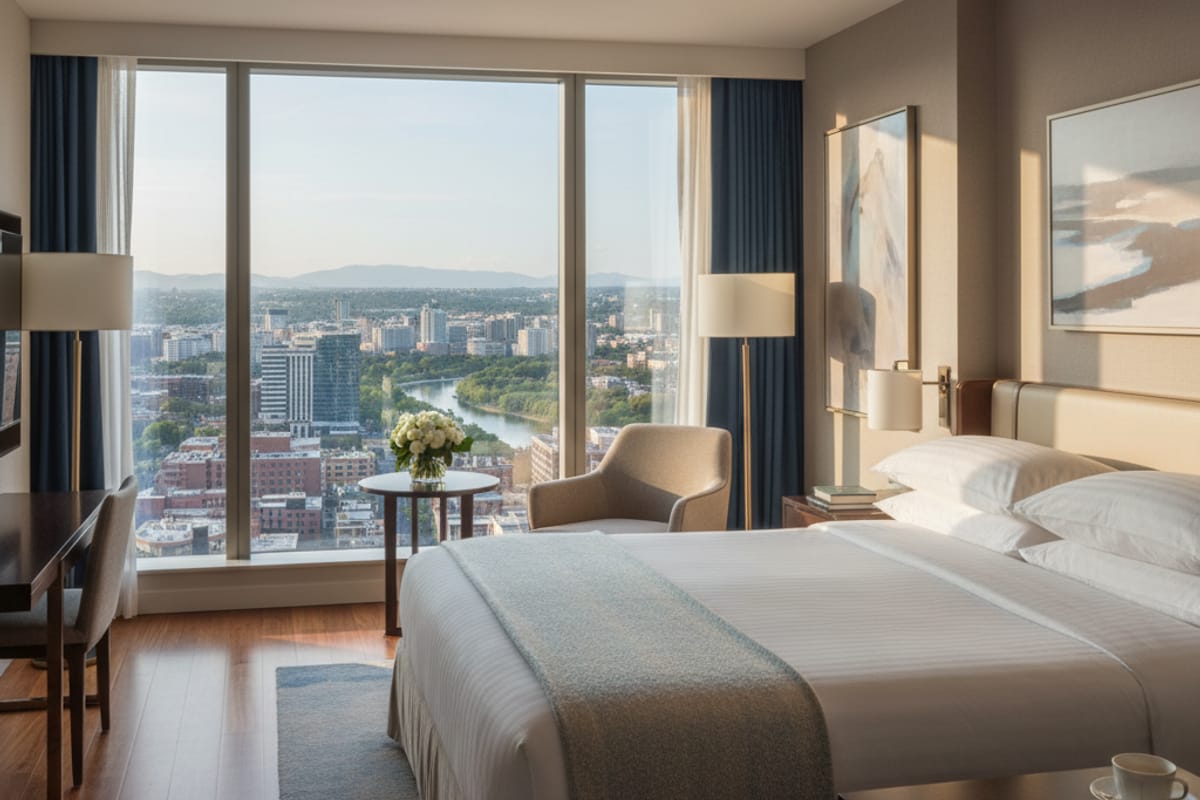 Downtown San Antonio hotels offer big-city quality at small-city prices.
Getting Around: VIA Transit & Walking
San Antonio is a sprawling city, but the areas visitors care about are surprisingly compact and navigable without a car. The downtown core — River Walk, Alamo, Market Square, King William, Southtown, and the Pearl — is all within a 2-mile radius that's flat and walkable. You can spend an entire weekend in this zone on foot and not miss anything essential.
The VIA Metropolitan Transit system runs buses throughout the city. A single ride is $1.30, and a day pass is $2.75 — unlimited rides for 24 hours. The routes that matter most for visitors are the downtown circulator routes that connect the major attractions. The VIA app lets you buy passes on your phone, which eliminates the need for exact change.
The VIVA Culture route is the best-kept transit secret in San Antonio. This free bus service runs a loop through the downtown cultural corridor, connecting the San Antonio Museum of Art, the Pearl, and major downtown attractions. It runs every 10-15 minutes during operating hours and costs nothing. Look for the distinctively wrapped VIVA buses at marked stops throughout downtown.
For the missions, VIA Route 42 runs from downtown to the Mission San José area. The ride takes about 25 minutes and costs $1.30. This is significantly cheaper than an Uber ($12-18) and gives you a glimpse of the South Side neighborhoods that most tourists never see.
Uber and Lyft are readily available and affordable. Rides within the downtown core typically cost $6-10. A ride from downtown to the Pearl is about $7. Downtown to the airport is $15-20. Downtown to the missions is $12-18. For a full day of exploring outside downtown, expect to spend $30-50 on rideshares.
BCycle is San Antonio's bike share system, with stations throughout downtown, the Museum Reach, the Pearl, and Southtown. A single 30-minute ride costs $3.50, and a day pass is $12 for unlimited 60-minute rides. The River Walk trails (Museum Reach and Mission Reach) are paved, flat, and perfect for biking. This is hands-down the best way to cover the 8-mile Mission Reach trail — you can bike from downtown to Mission Espada and back in about three hours with stops at each mission.
Parking downtown is the one transportation cost that can sneak up on you. Street parking meters run $1.50 per hour, and garages charge $10-25 per day. If you're driving, park at one of the free lots near the Pearl or in the Southtown neighborhood and walk or take the VIVA bus into the main downtown area. The missions all have free parking lots.
If you're flying in, skip the taxi from the airport. The VIA Route 5 bus runs from the airport to downtown for $1.30 — the ride takes about 35 minutes. An Uber from the airport to downtown runs $15-20. The airport taxi flat rate to downtown is $25-30, which is fine if you're splitting with someone but not worth it solo.
Pro tip: Download the VIA goMobile app before your trip and load a day pass ($2.75). The app shows real-time bus locations so you know exactly when the next bus is arriving. The VIVA Culture route is the best free transit service in the city — use it to hop between the Pearl, the art museum, and downtown without paying a cent.
The River Walk on a Budget
The River Walk is the heart of San Antonio tourism, and it's designed to separate you from your money. Restaurants charge premium prices, souvenir shops sell overpriced trinkets, and the river barges push ticket sales at every turn. But the River Walk is also one of the most beautiful urban public spaces in America, and you can experience it fully without spending much at all. Here's how.
First, the River Walk itself is completely free to walk. All 15 miles of it — downtown, Museum Reach, and Mission Reach — are public walkways with no admission, no gates, no fees. The architecture, the landscaping, the river, the cypress trees, the stone bridges, the public art — it's all free to enjoy. Walking the River Walk after dark, when the trees are lit and the water reflects the lights, is one of the best free experiences in any American city.
For food and drinks on the River Walk without the tourist markup, know which spots are the exceptions. Esquire Tavern at Commerce Street is a legitimate restaurant with reasonable prices for the quality — their happy hour from 4-6 PM on weekdays offers $8 cocktails and discounted appetizers. The Iron Cactus on the river does a solid happy hour with $5 margaritas and half-price appetizers. If you just want a beer, several spots on the river sell to-go drinks for $5-8 that you can walk with — San Antonio allows open containers on parts of the River Walk.
The better strategy: eat at a neighborhood restaurant away from the River Walk (where meals are 30-50% cheaper), then walk the river afterward for the atmosphere. A dinner at Garcia's on Fredericksburg Road ($10-14 per person) followed by a free evening stroll along the lit-up River Walk gives you the food quality AND the ambiance without the River Walk restaurant markup.
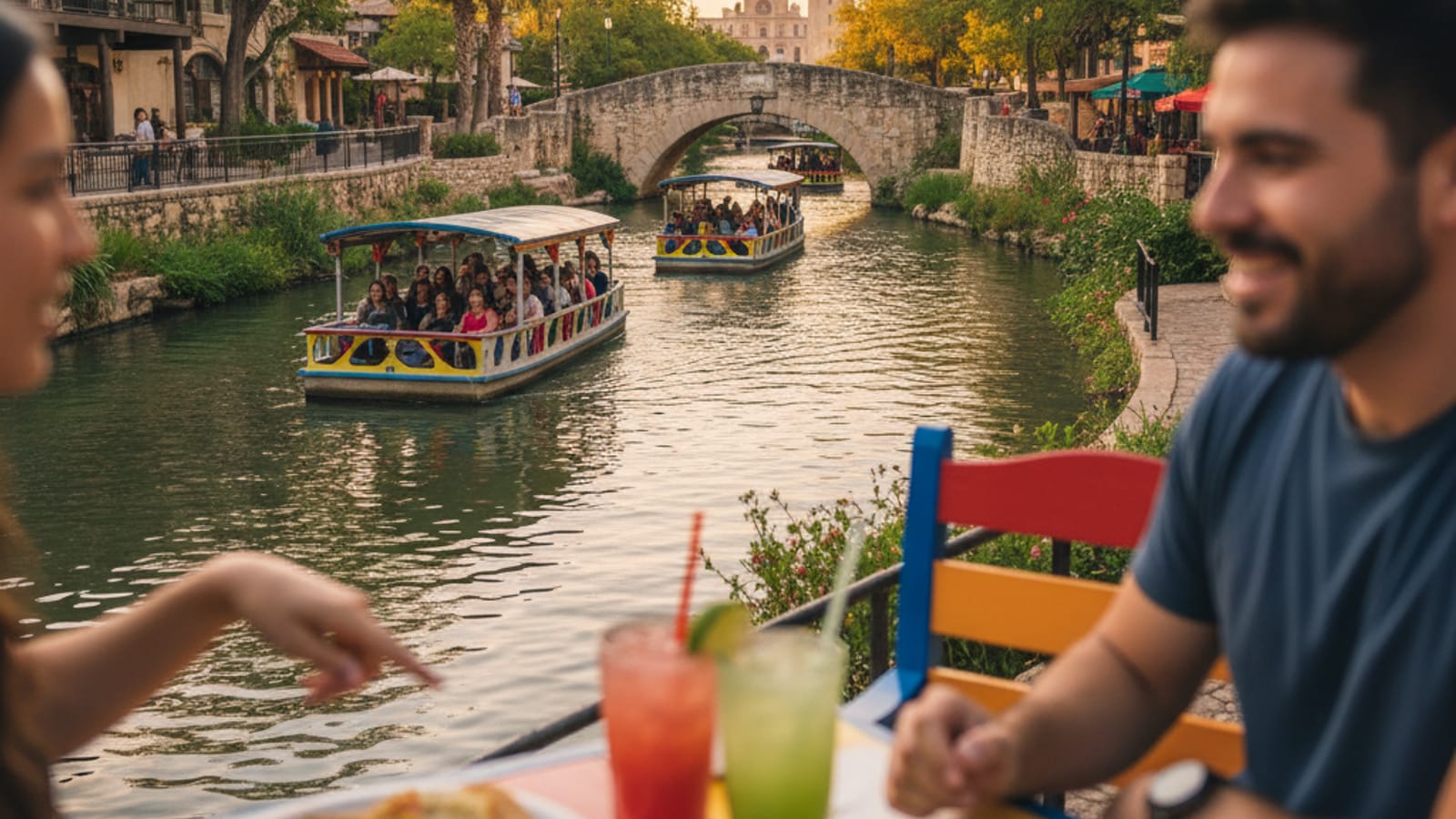
River barge tours cost about $15 per adult for a 35-minute narrated cruise. If that's in your budget, it's a nice experience — you see the river from a different angle and learn some history. But if you're watching every dollar, walking the exact same route for free gives you more time to stop, look, and photograph.
The free things to see along the River Walk are substantial. The Briscoe Western Art Museum on the river downtown has free admission on the first Sunday of each month. The outdoor public art along the Museum Reach — sculptures, murals, and installations — is always free. The Convention Center section has a gorgeous waterfall feature and the Torch of Friendship sculpture plaza, both free to visit.
Souvenir shopping on the River Walk is universally overpriced. If you want a San Antonio souvenir, go to Market Square instead, where you can bargain with vendors, or the Pearl, where the shops sell locally made goods at reasonable prices. The Yanaguana Garden at the Hemisfair park (directly accessible from the River Walk) has a small gift shop with well-curated San Antonio merchandise at fair prices.
The River Walk is best experienced as a free public park that happens to have restaurants on it, not as a restaurant district that happens to be pretty. Walk it in the morning when it's quiet, walk it at night when it's lit up, sit on a bench and watch the barges float by, and save your food budget for the neighborhoods where San Antonio's real culinary talent lives.
Pro tip: The most budget-friendly River Walk experience: buy a six-pack of Shiner Bock (a Texas classic) from a convenience store for about $8, walk the Museum Reach from the Pearl south toward downtown at sunset, and enjoy a beer on one of the benches along the quieter sections. It's the same river, the same cypress trees, the same beautiful scenery — without the $14 cocktail markup.
Realistic Cost Breakdown: 3 Days in San Antonio
Let's put real numbers on a San Antonio trip. This is what an actual 3-day visit costs for two people traveling together on a moderate budget — not penny-pinching, but not splurging either. These are based on real 2026 prices, not estimates from a guidebook written five years ago.
Hotel (2 nights): $220-360 total at a mid-range downtown hotel like the Drury Inn or Hotel Gibbs. That's $110-180 per night, which includes the room and (at the Drury) free breakfast and evening reception. Per person cost if splitting: $110-180 total for two nights.
Food (3 days, per person): Breakfast tacos each morning from a neighborhood spot: $6-10 per day = $18-30 total. Lunch at Tex-Mex restaurants, food trucks, or the Pearl: $12-18 per day = $36-54 total. One nice dinner (Esquire Tavern or Cured) at $25-40, two casual dinners at $12-18 each = $49-76 total. Total food per person for 3 days: $103-160. That's roughly $35-55 per day eating very well.
Attractions (per person): The Alamo — free. Four missions — free. Japanese Tea Garden — free. River Walk — free. The Saga light show — free. Pearl Farmers Market — free. River barge tour — $15. McNay Art Museum (if not visiting on free day) — $20. Total attractions: $0-35 per person.
Transportation (per person): Airport Uber each way — $15-20 x 2 = $30-40. Downtown Uber rides — $7-10 x 4 = $28-40. Or alternatively, VIA day passes at $2.75 per day x 3 = $8.25 total. Budget $30-80 per person depending on how much you walk vs. ride.
Drinks and extras (per person): Cocktails or beers over 3 evenings — $20-45. Souvenirs from Market Square — $10-30. Coffee and snacks — $10-20. Total: $40-95.
Grand total per person for 3 days: $283-550. For two people: $566-1,100.
Let's put that in perspective. A comparable 3-day trip to Austin runs $450-800 per person. Nashville: $500-900. New Orleans: $550-1,000. San Antonio delivers the same caliber of food, history, culture, and nightlife at roughly 40-50% less cost. And the free attractions — the Alamo, four UNESCO missions, the Japanese Tea Garden, 15 miles of River Walk — are arguably better than the paid attractions in those other cities.
San Antonio's affordability isn't about compromising on quality. The city simply has a lower cost of living than its peer cities, and that translates directly into lower tourist prices. The breakfast taco that costs $2 here would cost $5 in Austin. The hotel room that's $130 here would be $250 in Nashville. The UNESCO World Heritage Site that's free here would have a $25 admission fee anywhere else in the world.
This is a city where budget travel doesn't mean budget experiences. You'll eat better, see more, and spend less than in almost any other major American destination. San Antonio is the best travel deal in Texas, and one of the best in the country.
Why Trust This Guide
Recommendations from locals across 240+ US cities via Recommended.app community data.
Explore More
This guide is part of our San Antonio collection. Explore more guides for San Antonio →
San Antonio has 156 verified businesses on Recommended.app across 63 categories.
Hidden Gems Weekly
3 hidden gems, 2 local quotes, 1 home hack — every Monday. Free forever.
Unsubscribe anytime. No spam.
More from City Guides
 City Guide
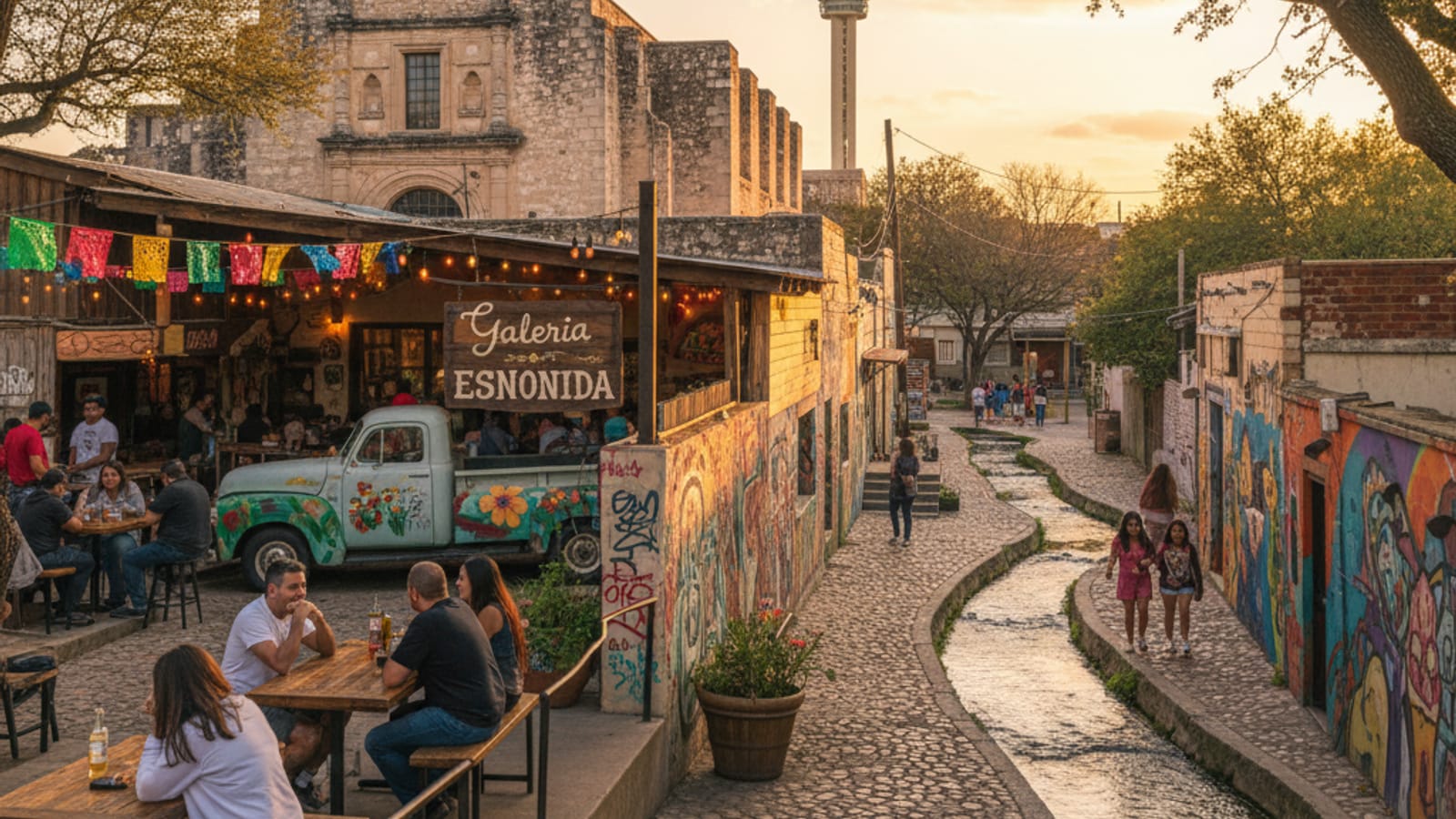
San Antonio's Hidden Gems: Beyond the River Walk
 City Guide
First Time in San Antonio? Locals Wish You Knew These 12 Things
 Travel Guide
The Perfect San Antonio Weekend: History, Food & River Walk Magic
 City Guide
We Asked San Antonio Locals Where They Actually Eat — Here's What They Said
 Home Services
Water Damage Restoration Near Me: What to Do in the First 24 Hours (2026 Guide)
 Food & Dining