
Last updated March 15, 2026 by the Recommended.app research team.
San Francisco Will Surprise You — Starting with the Weather
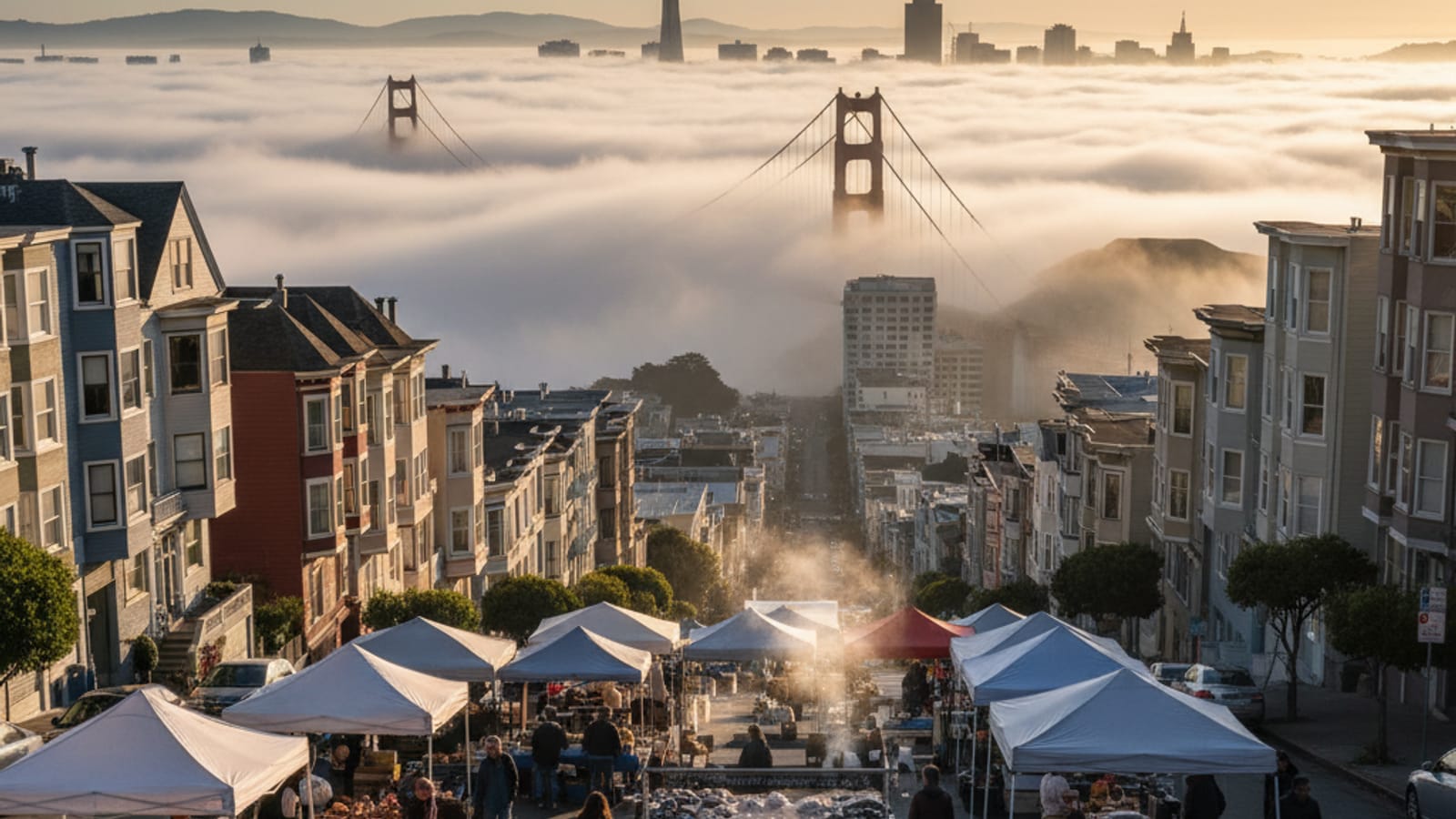
Mark Twain probably never said "The coldest winter I ever spent was a summer in San Francisco," but whoever did say it wasn't wrong. San Francisco's weather is its own character — a moody, unpredictable force that can deliver four seasons in a single afternoon. You'll start the morning in fog so thick you can't see across the street. By noon, the sun burns through and it's gorgeous. By 4 PM, the fog rolls back in off the Pacific like a slow-motion tidal wave, and you're shivering in that T-shirt you thought was enough.
This is a city that demands layers. A light jacket, a scarf, comfortable walking shoes — these aren't suggestions, they're survival gear. The microclimates are real: the Mission District can be 72°F and sunny while the Sunset District, three miles west, is 55°F and socked in. Locals check the weather by neighborhood, not by city.
But here's what makes San Francisco magnetic: it's a 7-by-7-mile peninsula packed with more culture, food, history, and natural beauty per square foot than almost any city in the world. You can eat a $6 burrito the size of your forearm for lunch, bike across the Golden Gate Bridge in the afternoon, and sit down to a Michelin-starred dinner that evening — all without getting in a car.
This guide is built on real recommendations from people who live here, eat here, and navigate these absurd hills every day. It's your first trip. Let's make sure you do it right.
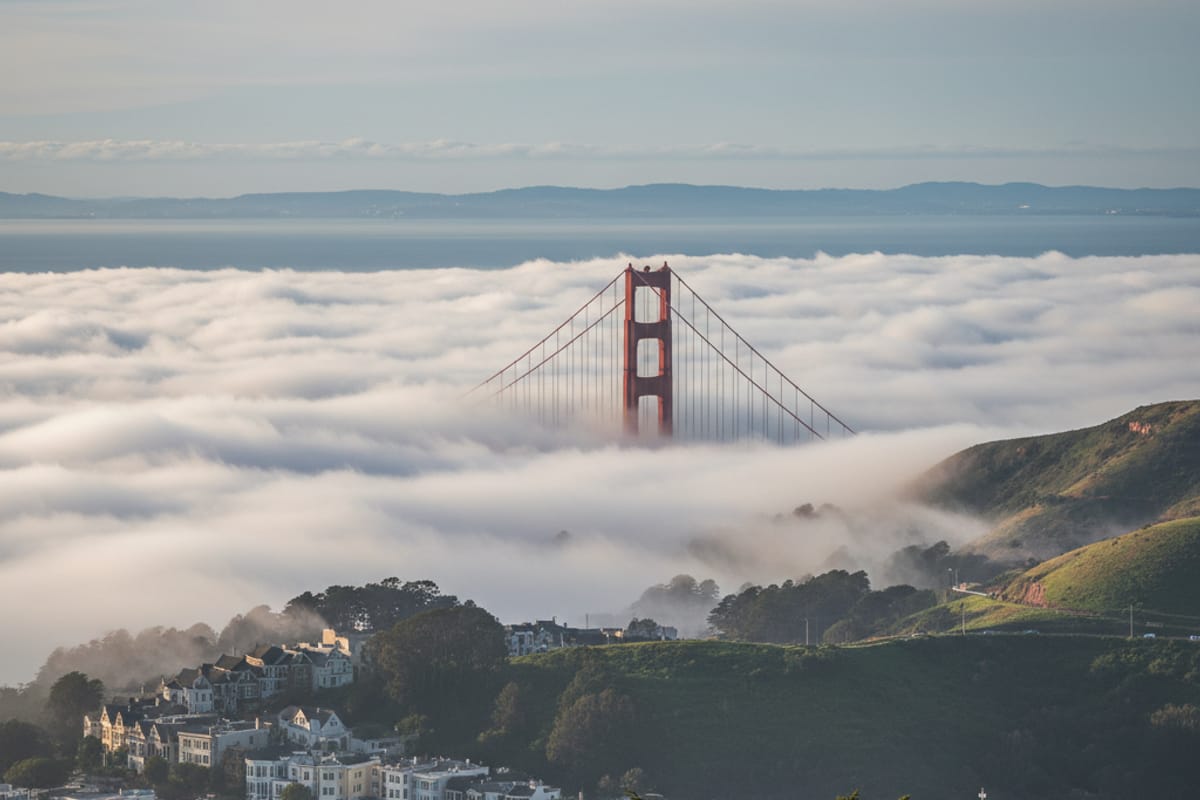 The fog is not a bug — it's a feature. Learn to love it.
Alcatraz, the Golden Gate & the Iconic Stuff
Let's get the big-ticket items out of the way first, because they genuinely are worth doing — you just need a strategy.
Alcatraz Island is the single most popular attraction in San Francisco, and tickets sell out weeks (sometimes months) in advance. Alcatraz City Cruises is the only official ferry operator. Day tours are $42.35 per adult and depart from Pier 33. The audio tour narrated by former inmates and guards is genuinely gripping — it won the National Park Service's award for best interpretive program. Night tours ($52.25) are smaller, more atmospheric, and include access to areas closed during the day. Book 2-3 months ahead for summer visits. If tickets are sold out, check for cancellations at 10 AM daily — they release returned tickets online.
The Golden Gate Bridge is free to walk or bike across (driving southbound costs $9 via FasTrak). Start from the San Francisco side at the Welcome Center, walk to the Marin County side (1.7 miles), and take in the views of Alcatraz, Angel Island, and the city skyline. The bridge opens to pedestrians at 5 AM and the morning light before the fog rolls in is spectacular. If you'd rather bike, rent from Blazing Saddles near Fisherman's Wharf ($32-44 for a full day) and ride across to Sausalito, then take the ferry back ($13.50).
Cable cars are a San Francisco institution. There are three lines — the Powell-Hyde line offers the best views (it descends toward Ghirardelli Square with Alcatraz in the background). A single ride is $8. Lines at the Powell Street turnaround can stretch 45 minutes on weekends, so board at a mid-route stop along the line instead. Or just watch them go by — the sight of a cable car cresting a hill is free and never gets old.
Pro tip: Alcatraz tickets go on sale 90 days in advance at alcatrazcitycruises.com. Set a calendar reminder and book the moment they drop — especially for summer and holiday weekends. The night tour is the best experience overall, but if you can only get a day tour, choose the earliest departure. Fewer crowds, better light for photos, and you'll have the rest of the day free.
The Mission: Burritos, Murals & the Real SF
The Mission District is the cultural and culinary heart of San Francisco, and it's where you'll find the most sunshine (thanks to those microclimates). This historically Latino neighborhood is famous for three things: burritos, street art, and a community vibe that feels nothing like the tech-bro stereotype people project onto the city.
The great burrito debate will never be settled, so here are the contenders. La Taqueria on Mission Street has won national "best burrito" awards — their carne asada super burrito ($13-15) is all about the quality of the meat, grilled fresh to order. No rice. That's their statement. Taqueria El Farolito on 24th Street is the late-night champion — open until 3 AM on weekends, massive burritos ($12-14) with rice and beans, perfect at midnight. Papalote on 24th makes a roasted tomato salsa that they bottle and sell — the super chicken burrito ($14) with that salsa is a revelation.
Balmy Alley, a narrow lane off 24th Street, is lined with murals from floor to roofline — political, vibrant, beautiful, and constantly changing. It's the most concentrated public art gallery in the city. Clarion Alley in the Mission/SoMa border is similar but edgier, with newer, more experimental work.
For coffee, Ritual Coffee Roasters on Valencia Street was one of the original third-wave coffee pioneers in SF. A cortado is $5.50, and the rooftop patio at their Valencia location is a perfect morning spot. For a meal beyond burritos, Lolo on 22nd Street serves modern Mexican-Californian food with creative cocktails — the fish tacos and mezcal margaritas are excellent, and dinner runs about $25-40 per person.
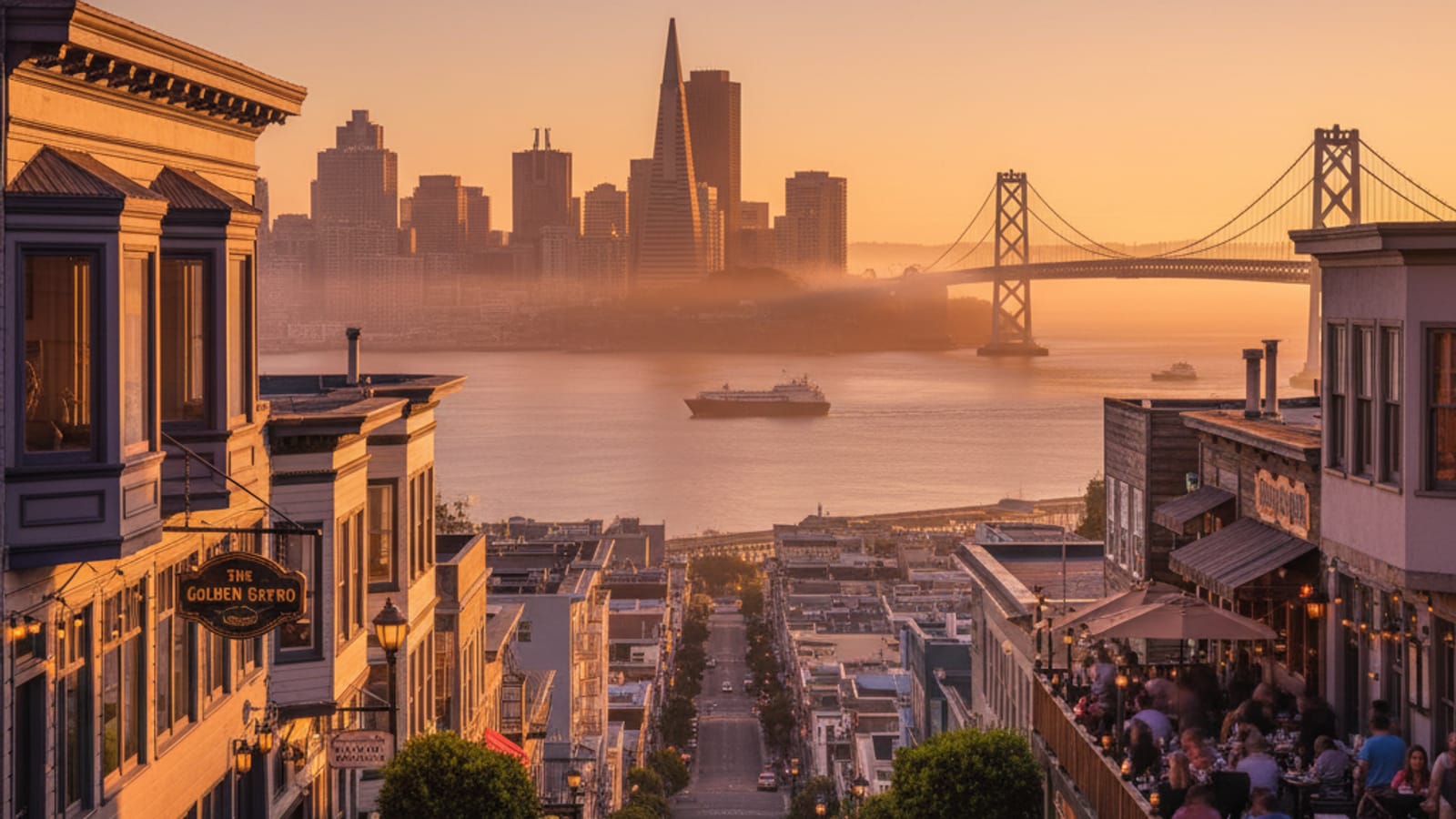
Dolores Park, at the top of a hill on Dolores Street, is the Mission's outdoor living room. On sunny afternoons, the park fills with locals sunbathing, playing volleyball, walking dogs, and eating paletas (Mexican popsicles) from the vendors who circle the park. The views of downtown and the Bay Bridge from the park's south slope are postcard-perfect.
Pro tip: Valencia Street between 16th and 24th is the Mission's main commercial strip. Walk it on a Saturday afternoon for vintage shops, independent bookstores (Dog Eared Books is a gem), and the best people-watching in the city. If you see a line outside Tartine Bakery on 18th Street, get in it. The morning bun and the croissant are worth every minute of the wait. They open at 8 AM; arrive at 7:45 on weekdays.
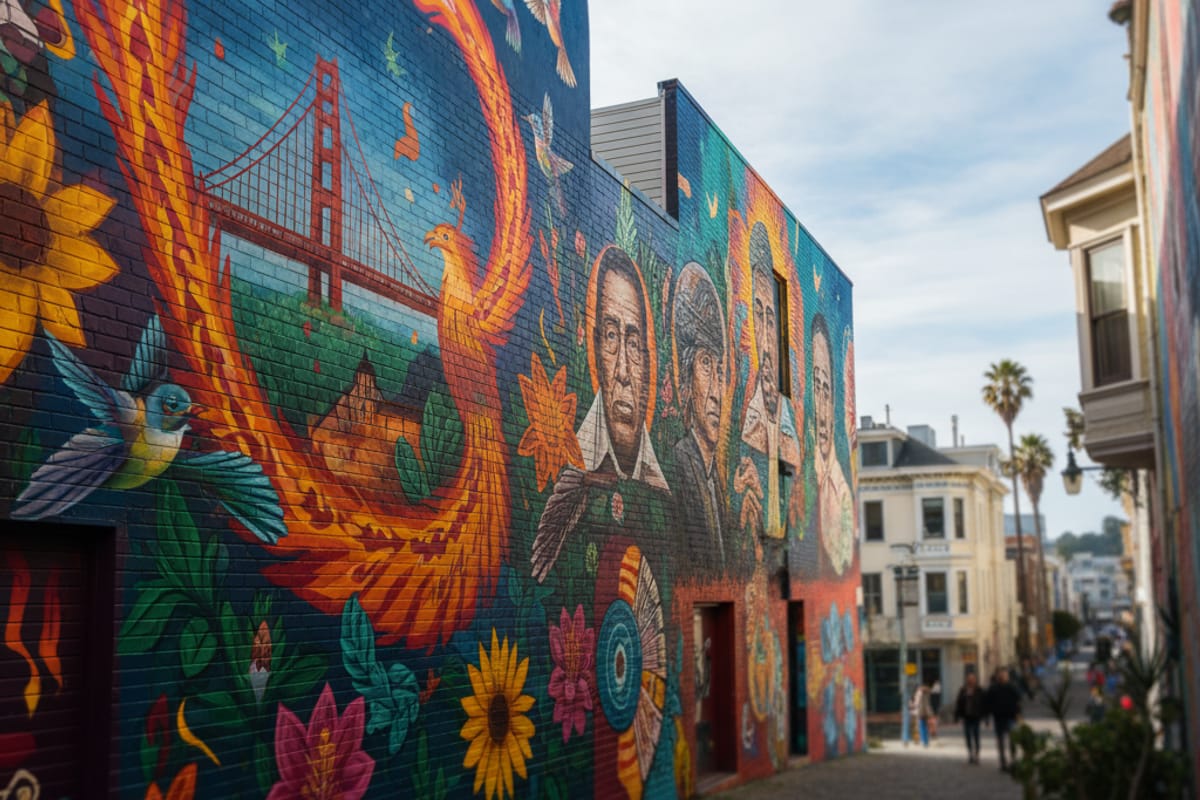 Balmy Alley — every surface tells a story in the Mission.
Chinatown Dim Sum & North Beach Italian
San Francisco's Chinatown is the oldest in North America and the most densely populated neighborhood outside of Asia. It's not a sanitized tourist version of Chinese culture — it's a living, working community where elderly residents shop for produce at sidewalk markets, fortune cookie factories operate in narrow alleys, and dim sum restaurants have been run by the same families for decades.
For dim sum, City View Restaurant on Commercial Street serves classic Cantonese dim sum from rolling carts — har gow (shrimp dumplings), siu mai (pork dumplings), char siu bao (BBQ pork buns), and cheung fun (rice noodle rolls). Budget $15-22 per person and go before 11 AM to avoid the rush. Lai Hong Lounge on Powell Street is smaller and more chaotic but cheaper, with dim sum platters starting at $5. For something more modern, Mister Jiu's on Waverly Place serves elevated Chinese-American cuisine in a beautiful dining room — Peking duck with hand-rolled pancakes, smoked quail, and creative vegetable dishes. It's $60-80 per person and worth a splurge.
Walk north from Chinatown through the Dragon Gate on Bush Street and you'll cross into North Beach — San Francisco's Italian neighborhood and the birthplace of the Beat Generation. City Lights Bookstore on Columbus Avenue, founded by poet Lawrence Ferlinghetti in 1953, is a literary landmark. Browse the poetry room upstairs, buy a Kerouac paperback, and then step next door to Vesuvio Cafe, where the Beats used to drink.
For Italian food in North Beach, skip the tourist traps on Columbus and head to Tony's Pizza Napoletana on Stockton Street — Tony Gemignano is a 13-time World Pizza Champion, and the margherita pizza ($22) is perfection. For a sit-down Italian dinner, Ideale on Grant Avenue serves Roman-style pasta — the cacio e pepe and carbonara are both exceptional, and mains run $18-30. Original Joe's on Union Street is the old-school Italian-American experience — veal parmigiana, cioppino, and a bar scene that hasn't changed in decades.
After dinner, walk up Telegraph Hill to Coit Tower. The 360-degree views from the top ($10 admission) are stunning at sunset, and the WPA murals inside depicting California labor history are worth studying.
Pro tip: Chinatown dim sum operates on a first-come, first-served basis and most places don't take reservations. Arrive by 10:30 AM on weekends to avoid a serious wait. Point at what you want from the carts — the servers move fast and won't wait for you to deliberate. Cash is still preferred at many Chinatown restaurants, so bring small bills.
Haight-Ashbury, Golden Gate Park & the Outer Sunset
The Haight-Ashbury neighborhood is forever linked to the Summer of Love in 1967, and while the flower children are long gone, the countercultural spirit remains. Vintage shops, record stores, and head shops line Haight Street, and the Victorian houses (painted in psychedelic colors, naturally) are some of the most photographed homes in the city. Amoeba Music, the massive independent record store on Haight Street, is worth an hour of browsing even if you don't buy anything. The Grateful Dead house at 710 Ashbury is just a house — don't be that tourist who knocks on the door — but walking past it is a fun footnote.
Golden Gate Park stretches from the Haight all the way to Ocean Beach — over 1,000 acres of gardens, museums, lakes, and trails. The California Academy of Sciences ($42.75 for adults) is an aquarium, planetarium, natural history museum, and rainforest dome all under one living green roof. Thursdays after 6 PM, they host NightLife events with cocktails and DJs for $20. The de Young Museum across the Music Concourse focuses on American art and textiles — climb the free observation tower for a panoramic view of the park and city.
The Japanese Tea Garden ($13) inside the park is the oldest public Japanese garden in the United States. The pagodas, koi ponds, and zen gardens are genuinely peaceful. Go on a Monday, Wednesday, or Friday before 10 AM when admission is free.
Follow the park west to Ocean Beach, where the Pacific crashes against a long, wide stretch of sand. This isn't a swimming beach — the currents are dangerous and the water is freezing — but it's spectacular for walking, surfing (experienced surfers only), and watching the sunset. The Outer Sunset neighborhood along Judah Street is one of SF's most underrated food strips. Outerlands on Judah serves wood-fired sourdough bread, seasonal soups, and California comfort food in a cozy, driftwood-lined space. Dinner runs $20-35 per person. Andytown Coffee Roasters nearby makes a "snowy plover" — espresso over sparkling water with whipped cream — that's become a cult favorite ($6).
For a completely different experience, Lands End Trail on the northwest tip of the peninsula offers a coastal hike with views of the Golden Gate Bridge, shipwreck remains visible at low tide, and the ruins of Sutro Baths — a massive Victorian-era public bathhouse that burned down in 1966. The trail is 3.4 miles and mostly flat. It's one of the best urban hikes in America.
Pro tip: Golden Gate Park is huge and you won't see it all in a day. If you only have a few hours, prioritize the Japanese Tea Garden, the de Young observation tower (free), and a walk through the Music Concourse. Rent a bike from Golden Gate Park Bike Rentals ($8/hour) to cover more ground. On Sundays, JFK Drive through the park is car-free, making it perfect for biking and walking.
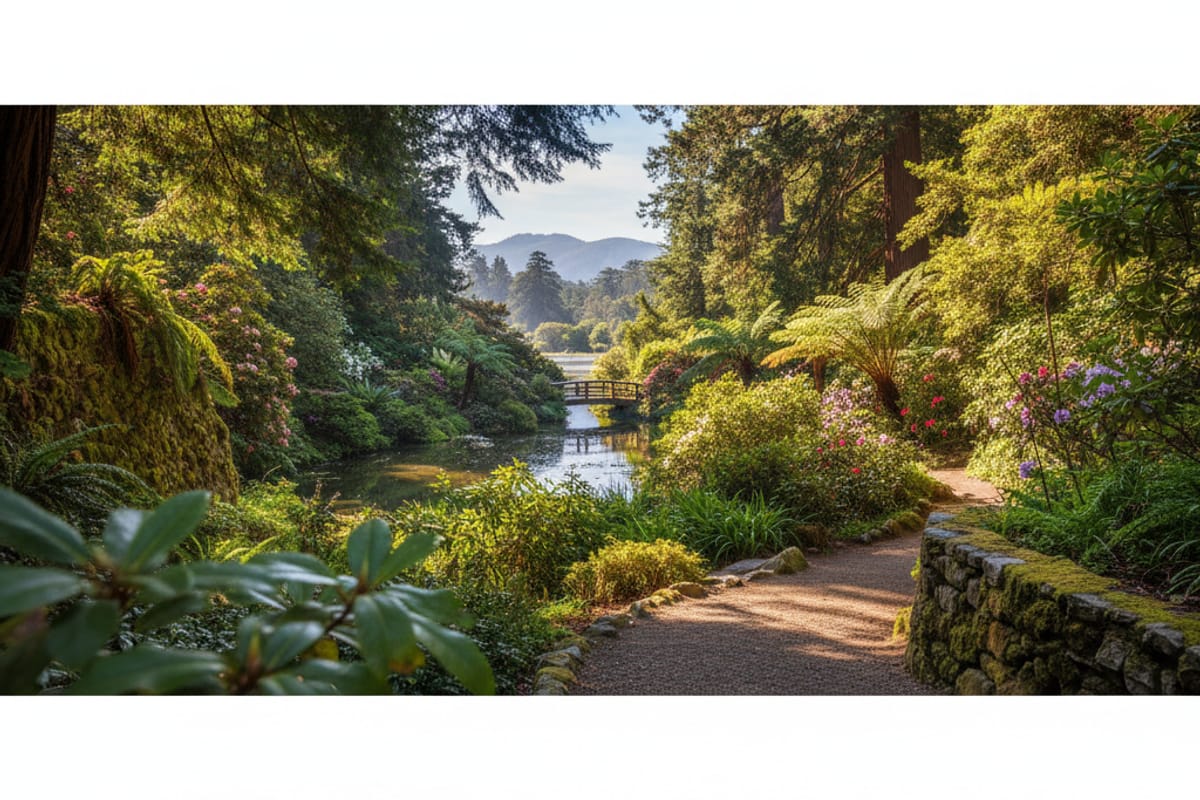 Golden Gate Park — 1,000+ acres of gardens, museums, and trails stretching to the Pacific.
Budget Breakdown: What San Francisco Actually Costs
San Francisco has a reputation for being expensive, and that reputation is earned. But with the right strategy, you can experience the best of the city without emptying your savings.
Hotels in SF average $180-350/night in popular neighborhoods. For better value, look at hotels in the Marina or Japantown — slightly off the tourist path but well-connected by transit. Hostels like HI San Francisco Fisherman's Wharf run $50-80/night for a private room. For the best rates, visit in the shoulder season (September-November) when the weather is actually the warmest and hotel prices drop after summer.
Food is where SF shines on a budget if you know where to look. Mission burritos: $12-15 and they'll fill you up for the entire day. Chinatown dim sum: $15-22 for a feast. A banh mi from Saigon Sandwich in the Tenderloin is $5 and it's one of the best sandwiches in the city. The Ferry Building Marketplace on the Embarcadero has free samples at every turn on Saturday mornings — the farmers market here is world-class.
Transit: A Muni/BART day pass is $24 and covers buses, streetcars, and metro within the city. Walking is genuinely the best way to see SF if your legs can handle the hills. Uber/Lyft rides within the city center typically run $8-15.
Free activities: Walking the Golden Gate Bridge, Lands End Trail, exploring Chinatown and the Mission murals, Golden Gate Park, Dolores Park, City Lights Bookstore, the de Young observation tower. These are some of the best experiences in the city and they cost nothing.
Realistic 3-day budget: $600-1,000 per person including hotel, food, Alcatraz, one museum, transit, and a nice dinner. If you're on a strict budget, you can do it for $400-500 by staying in a hostel and eating cheap. The city rewards walking, curiosity, and a willingness to wander — and those are all free.
Pro tip: The CityPASS ($76) covers admission to the California Academy of Sciences, a Blue & Gold Fleet bay cruise, the Aquarium of the Bay, and either the de Young Museum or the Exploratorium. If you plan to visit three or more of these, it saves real money. Buy it online in advance to skip ticket lines.
Why Trust This Guide
Recommendations from locals across 240+ US cities via Recommended.app community data.
Explore More
This guide is part of our San Francisco collection. Explore more guides for San Francisco →
San Francisco has 459 verified businesses on Recommended.app across 91 categories, with an average rating of 4.6 out of 5.
Hidden Gems Weekly
3 hidden gems, 2 local quotes, 1 home hack — every Monday. Free forever.
Unsubscribe anytime. No spam.
More from City Guides
 City Guide
San Francisco: A Local's Guide
 City Guide
San Francisco on a Budget: Free and Cheap Things to Do
 City Guide
San Francisco Hidden Gems: Secret Spots the Guidebooks Miss
 City Guide
The Perfect Weekend in San Francisco: A 2-Day Itinerary
 City Guide
We Asked San Francisco Locals Where They Actually Eat — Here's What They Said
 Home Services