
Last updated March 16, 2026 by the Recommended.app research team.
Fort Lauderdale Is Not What You Think It Is
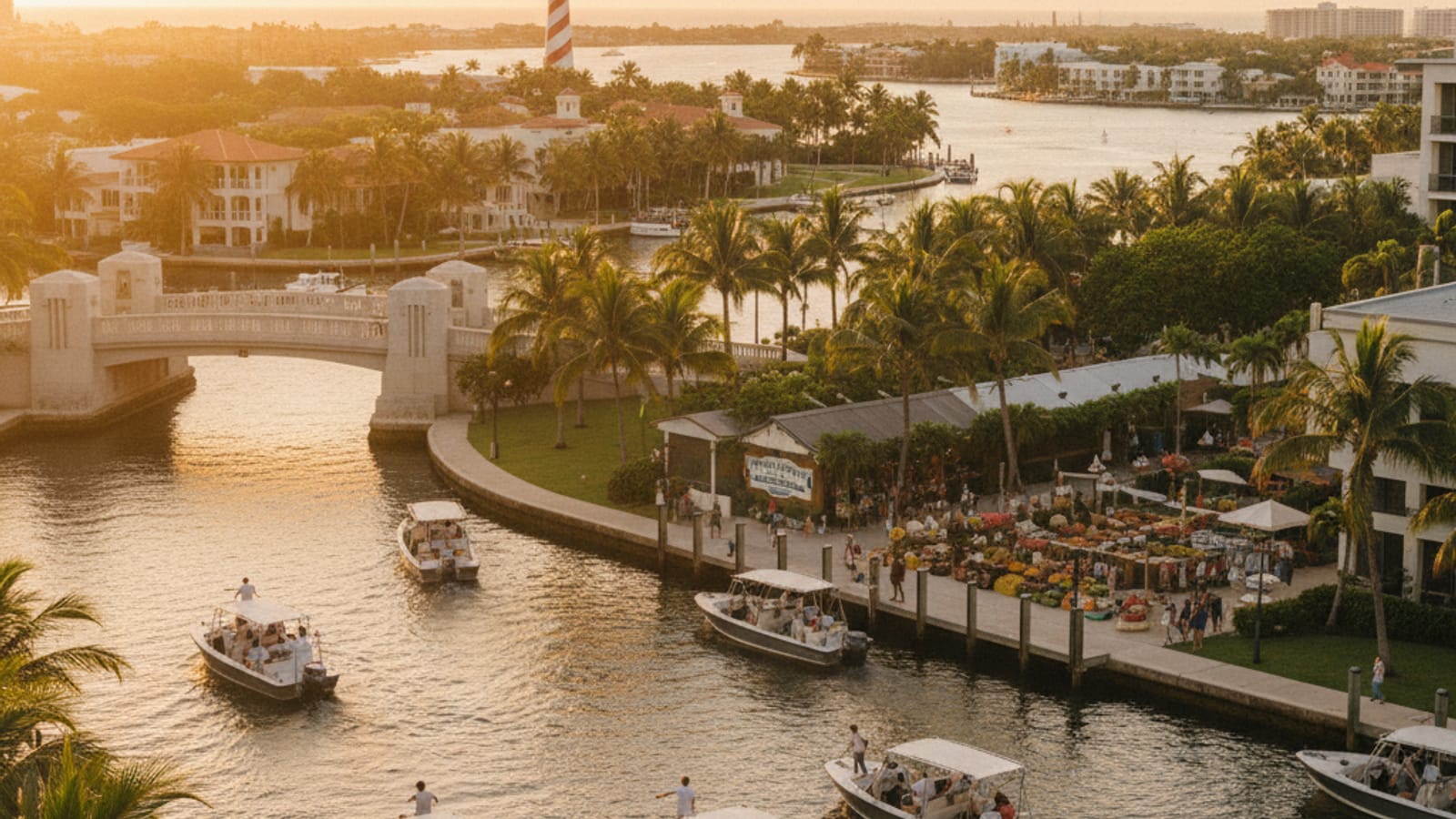
If your mental image of Fort Lauderdale is still spring break chaos from the 1980s, it's time for an update. The city has reinvented itself into one of South Florida's most appealing destinations — a place where 23 miles of pristine coastline meet 165 miles of inland waterways, earning it the nickname "Venice of America." And unlike Miami's frenetic energy, Fort Lauderdale has a pace that's relaxed without being sleepy.
The real surprise is how much there is beyond the beach. A thriving arts scene along Las Olas Boulevard, a revitalized Riverwalk district, world-class diving just offshore, and neighborhoods with genuine character that most visitors never discover. Fort Lauderdale rewards the curious traveler — the one willing to wander a few blocks inland or hop on a water taxi to see where the canals actually go.
This guide is built from the kind of recommendations you'd get from a friend who lives here year-round — someone who knows which stretch of beach has the best sand, which restaurants the cruise ship passengers never find, and why the water taxi might be the single best way to experience any American city. Fort Lauderdale deserves more than a layover on the way to the Keys. Give it a real chance and you'll understand why so many visitors end up moving here.
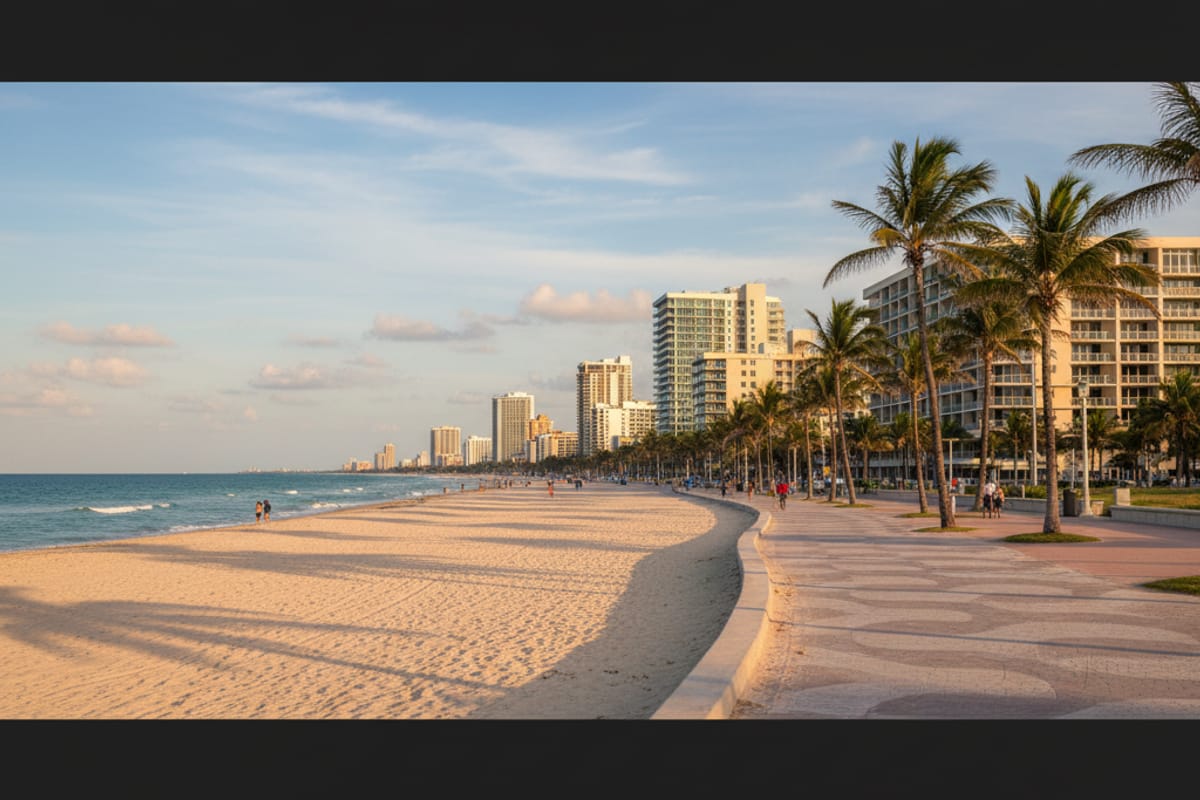 Fort Lauderdale's beachfront has come a long way from its spring break days.
The Beach Scene: More Than Just Sand and Surf
Fort Lauderdale Beach stretches along State Road A1A in a wide, golden ribbon that puts most Florida beaches to shame. The sand is clean, the water is that particular shade of turquoise you usually only see in travel brochures, and the wave wall promenade that runs along the shore is perfect for morning jogs or evening strolls. Unlike Miami's South Beach, there's actual breathing room here — you can plant your umbrella without being elbow-to-elbow with strangers even in peak season.
The main beach area near Las Olas Boulevard and A1A is the most popular stretch, with lifeguards, restrooms, and easy access to restaurants across the street. But the locals know that the best beach experience is slightly north or south of the tourist center. Head north toward Sunrise Boulevard for a quieter vibe with the same gorgeous water, or south toward Harbor Beach for a more residential, uncrowded feel.
For something entirely different, drive 15 minutes north to Lauderdale-by-the-Sea. This small beach town feels like old Florida — no high-rises, no velvet ropes, just a charming pier, a few dive shops, and some of the best nearshore snorkeling in the entire state. The reef starts just 100 yards offshore, which is almost unheard of for mainland Florida.
One thing that catches first-timers off guard: the beach bars and restaurants along A1A are genuinely good. Elbo Room is the famous dive bar (it was in the 1960 movie "Where the Boys Are"), but places like The Whales Rib and McSorley's Beach Pub serve surprisingly solid food with ocean views that don't come with Miami price tags.
Pro tip: The best time to hit Fort Lauderdale Beach is before 10 AM or after 4 PM. Mid-day the sand gets scorching and the UV index is brutal. If you're going mid-day, the metered parking along A1A is $3/hour — but the lots one block west on Birch Road are free and only a 2-minute walk to the sand.
The Water Taxi: Fort Lauderdale's Best-Kept Secret
Here's the single best piece of advice for any Fort Lauderdale first-timer: buy an all-day water taxi pass. For about $35, you get unlimited rides on a fleet of boats that cruise the New River, the Intracoastal Waterway, and the canals that weave through the city. It's part transportation, part sightseeing cruise, and part floating bar — and it connects most of the places you'd want to visit anyway.
The water taxi stops at over a dozen locations including Las Olas Boulevard, the Riverwalk, Gallery at Beach Place, Bokamper's sports bar, and various hotels and restaurants along the waterway. The captains double as tour guides, pointing out celebrity homes, mega-yachts, and historic landmarks as you float past. You'll see mansions that make your jaw drop, boats worth more than most houses, and wildlife — manatees, iguanas sunning on seawalls, and herons fishing in the shallows.
What makes the water taxi genuinely useful (not just a tourist gimmick) is the route. You can take it from your hotel to dinner on Las Olas, then to a bar on the Riverwalk, then back to the beach — all without dealing with parking or ride-shares. The boats run from roughly 10 AM to midnight on weekends, with the last few runs turning into a party atmosphere as the sun goes down.
The Intracoastal leg of the route is particularly stunning. You'll pass through Millionaire's Row, where palatial waterfront estates line both sides of the channel, each with a yacht or two parked in the backyard. It's like a real estate fantasy tour, and the narration from the captains is genuinely entertaining — they know the gossip on every house.
For the best experience, board at the Riverwalk stop around 4 PM, ride the full loop south through the canals and up the Intracoastal, and end up at a waterfront restaurant for sunset. The entire loop takes about 90 minutes and it's the most relaxing way to see the city.
Pro tip: Download the Water Taxi app to track boats in real time. During peak season (January through April), boats can run 15-20 minutes behind schedule. The app saves you from standing on a dock wondering if you missed it.
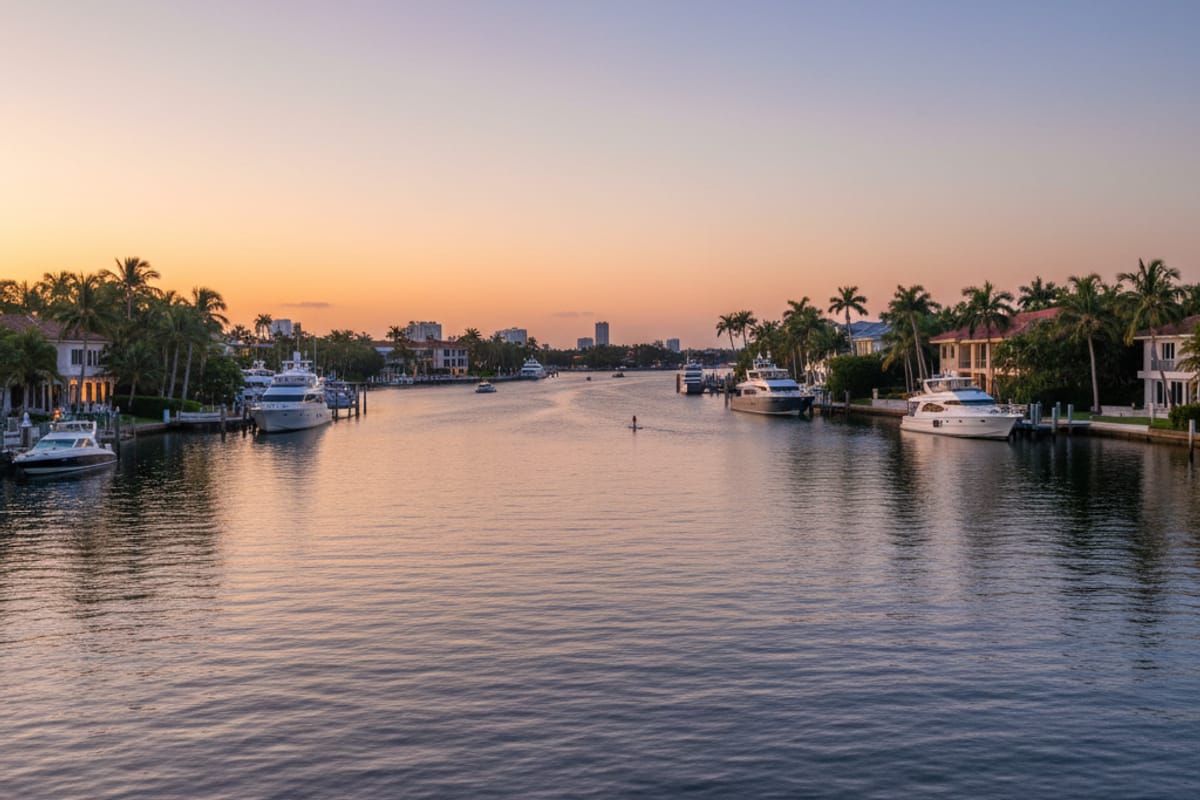 165 miles of waterways earned Fort Lauderdale the nickname 'Venice of America.'
Las Olas Boulevard: The Heart of Fort Lauderdale
Las Olas Boulevard is Fort Lauderdale's main street, and it earns that title honestly. Running east-west from the beach to downtown, this tree-lined avenue is packed with independent boutiques, art galleries, sidewalk cafes, and some of the best restaurants in Broward County. It has the walkability of a European city street — something that's genuinely rare in South Florida.
Start at the beach end and walk west. You'll pass through the shopping district first — stores like Seldom Seen Gallery for eclectic art, Las Olas Wine Cafe for a mid-walk glass, and dozens of boutiques that have nothing to do with chain retail. The architecture is a mix of Mediterranean revival and modern glass, and the side streets are worth exploring for hidden galleries and courtyard restaurants.
As you continue west, Las Olas transitions from shopping to dining. This is where the restaurant scene really shines. Louie Bossi's Ristorante has a massive outdoor patio and makes fresh pasta daily. Timpano Italian Chophouse is the power-dinner spot with dark wood and martini energy. Wild Sea Oyster Bar does seafood with a refined touch. And Rocco's Tacos is the place for margaritas the size of your head and surprisingly authentic Mexican food.
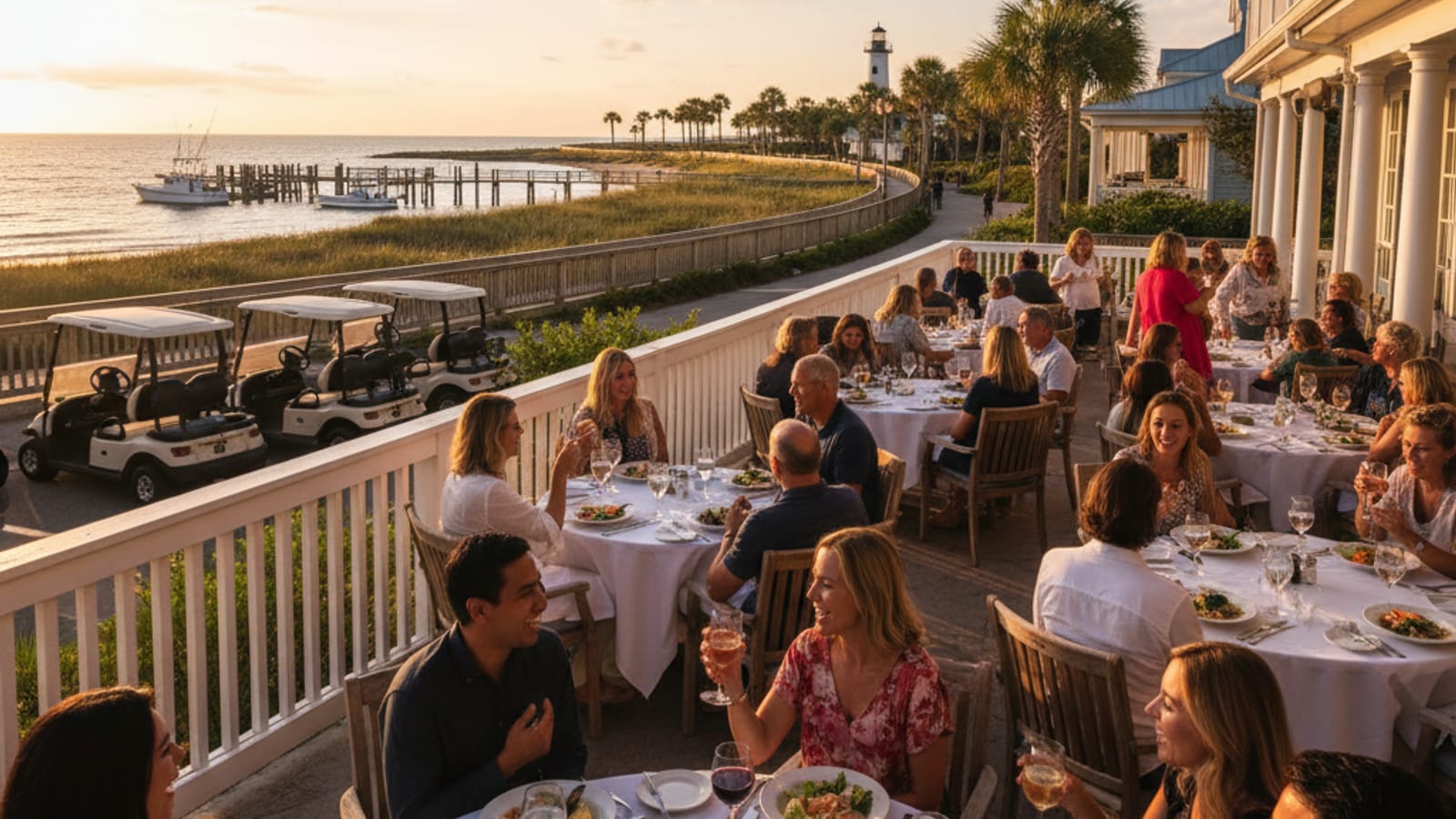
The boulevard comes alive after dark, especially on weekends. Art walks happen on the first Friday of every month, when galleries stay open late and the street fills with live music and food vendors. Even on regular evenings, the outdoor dining scene gives Las Olas a festive atmosphere — tables spill onto the sidewalks, string lights glow overhead, and the people-watching is excellent.
One block south of Las Olas, the residential neighborhoods along the canals are worth a detour. The houses here are beautiful, many with private docks and lush tropical landscaping. It's a peaceful walk that gives you a sense of what it would be like to actually live in Fort Lauderdale — and it's a pretty compelling picture.
Pro tip: Parking on Las Olas can be a nightmare on weekends. Use the city parking garage on SE 6th Avenue (just south of Las Olas) — it's $2/hour with the first hour free on weekends. Or take the water taxi and skip driving entirely.
The Riverwalk & Beyond: Fort Lauderdale's Cultural Side
Fort Lauderdale's Riverwalk Arts and Entertainment District runs along the north bank of the New River in downtown, and it's the cultural center of the city. A mile-long linear park connects the NSU Art Museum, the Broward Center for the Performing Arts, the Fort Lauderdale History Museum, and the Stranahan House — the oldest surviving structure in the city, built in 1901 as a trading post.
The Riverwalk itself is a beautiful walk at any time of day, shaded by massive banyan trees and lined with public art installations. On the first Friday of each month, the Riverwalk hosts a free outdoor festival with live music, food trucks, and art vendors that draws thousands of locals. It's one of the best free events in South Florida and a great way to experience the city's community vibe.
The NSU Art Museum is a legitimate world-class institution, not just a small-city gallery. The building was designed by architect David Carlson and houses one of the largest collections of contemporary art in Florida. Rotating exhibitions pull from international artists, and the permanent collection includes major works from the past 50 years. Admission is $12 and it's worth every penny.
Just north of the Riverwalk, the Flagler Village neighborhood has emerged as Fort Lauderdale's creative hub. Former warehouses and industrial buildings have been converted into breweries, coffee shops, and creative studios. Tarpon River Brewing is the standout — a craft brewery with an open-air biergarten, live music, and food that goes well beyond typical bar fare. LauderAle is another excellent option, tucked into a small industrial space with rotating taps and a loyal local following.
For history buffs, the Stranahan House offers guided tours that tell the fascinating (and sometimes dark) story of Fort Lauderdale's founding. The house was built by Frank Stranahan, who traded with the Seminole Tribe and helped establish the city. The tour guides are knowledgeable and the riverside setting makes it a pleasant visit even if history isn't usually your thing.
If you're visiting with kids — or just enjoy gardens — Flamingo Gardens is a 60-acre botanical garden and wildlife sanctuary about 20 minutes west of downtown. It has one of the best collections of tropical plants in Florida, plus a free-flight aviary, native wildlife exhibits, and a tram tour through a tropical rainforest. It's a half-day activity that most tourists miss entirely.
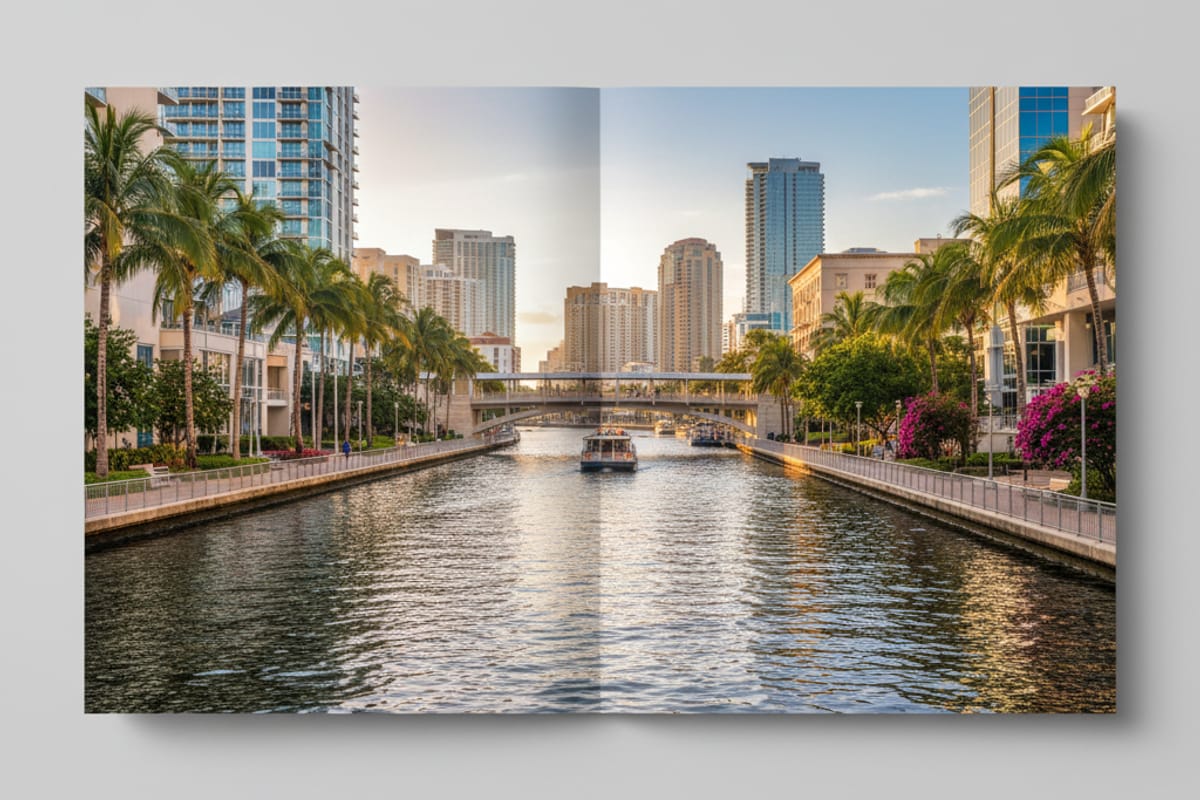 The Riverwalk connects Fort Lauderdale's best museums, parks, and performance venues.
Budget Breakdown: What Fort Lauderdale Actually Costs
Fort Lauderdale is genuinely more affordable than Miami, and it's possible to have an excellent trip without emptying your savings account. Here's what to realistically expect.
Hotels: In peak season (January through April), beachfront hotels run $180-350/night. One block inland drops that to $120-200/night. Off-season (May through November, excluding holidays) prices fall dramatically — $90-150/night for solid beachfront options. The Alhambra Beach Resort and Snooze Inn are local favorites that offer clean, comfortable rooms without the resort-fee markup that plagues bigger hotels.
Food: Breakfast at a beach cafe runs $10-15. Lunch on Las Olas is $15-25 for a solid meal. Dinner ranges widely — $20-35 for casual waterfront dining, $50-80 for a nice Las Olas restaurant. The best budget move is lunch specials — many Las Olas restaurants offer their dinner menu at lunch for 30-40% less.
Activities: Beach access is free. Water taxi all-day pass is $35. NSU Art Museum is $12. Riverwalk festivals are free. Snorkeling at Lauderdale-by-the-Sea is free if you have your own gear, or $25-35 for a rental package. Flamingo Gardens is $22. A half-day snorkel boat trip runs $40-55.
Transportation: Uber/Lyft from FLL airport to the beach is $12-18. Metered parking on A1A is $3/hour. The Sun Trolley runs free routes through the beach area and Las Olas — it's limited but useful if your timing works out.
Realistic budget for a long weekend (3 nights): $600-900 per person including hotel, food, water taxi, one museum, and beach activities. That's for a comfortable trip — not backpacker-bare-bones, but not luxury either. Fort Lauderdale's biggest cost advantage over Miami is that the free and low-cost activities (beach, Riverwalk, canals, snorkeling) are genuinely the best things to do. You don't need to spend money to have a great time here.
Pro tip: Visit between May and early December for the best hotel deals — rates drop 30-50% from peak season. September and October are the cheapest months, and while it's hurricane season, the beaches are empty and the water is the warmest it gets all year.
Why Trust This Guide
Recommendations from locals across 240+ US cities via Recommended.app community data.
Explore More
- Things to Do in Fort Lauderdale
- Fort Lauderdale Events
- Fort Lauderdale Deals
- Explore Fort Lauderdale
Related guides:
This guide is part of our Fort Lauderdale collection. Explore more guides for Fort Lauderdale →
Fort Lauderdale has 166 verified businesses on Recommended.app across 71 categories, with an average rating of 4.2 out of 5.
Hidden Gems Weekly
3 hidden gems, 2 local quotes, 1 home hack — every Monday. Free forever.
Unsubscribe anytime. No spam.
More from City Guides
 City Guide
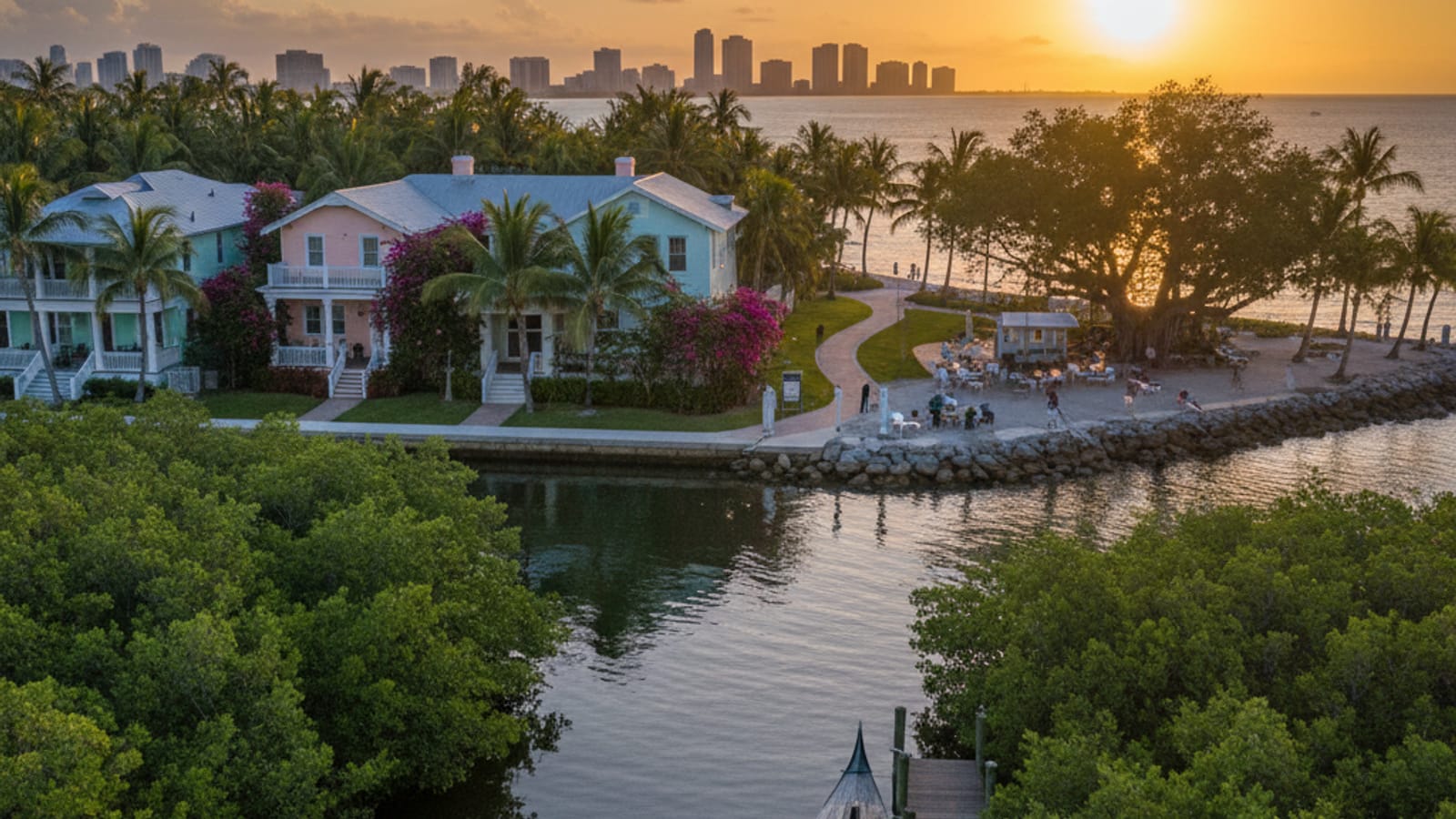
Fort Lauderdale
 City Guide
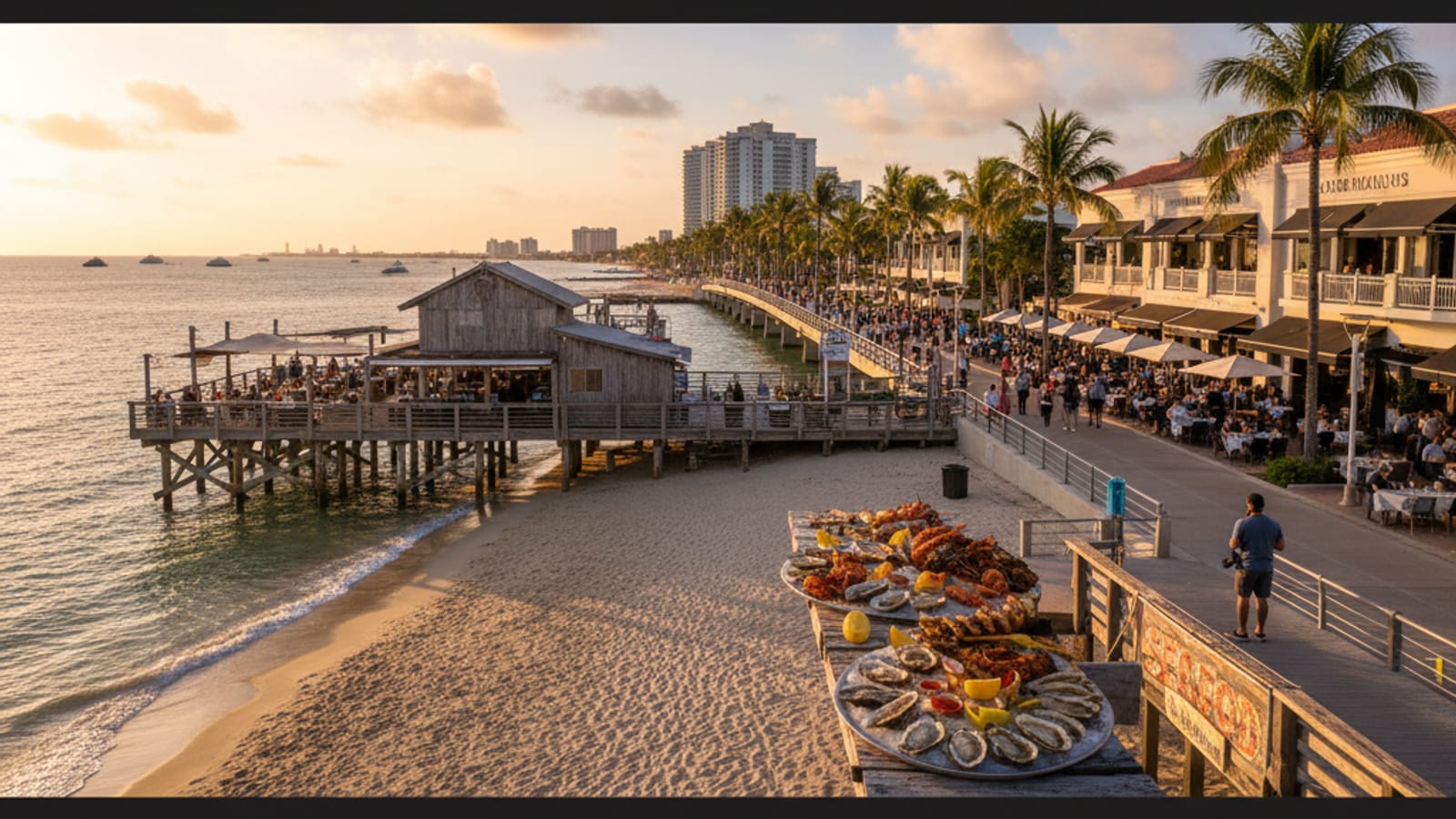
We Asked Fort Lauderdale Locals Where They Actually Eat — Here's What They Said
 Home Services
Water Damage Restoration Near Me: What to Do in the First 24 Hours (2026 Guide)
 Food & Dining
Best Buffet in Las Vegas 2026: What's Still Worth It After the Great Buffet Collapse
 Food & Dining
Best Coffee Shops in Chicago 2026: 20 Cafes Worth Leaving Your Apartment For
 Food & Dining