
Last updated March 16, 2026 by the Recommended.app research team.
Bonnet House Museum & Gardens: A Secret Paradise Steps from the Beach
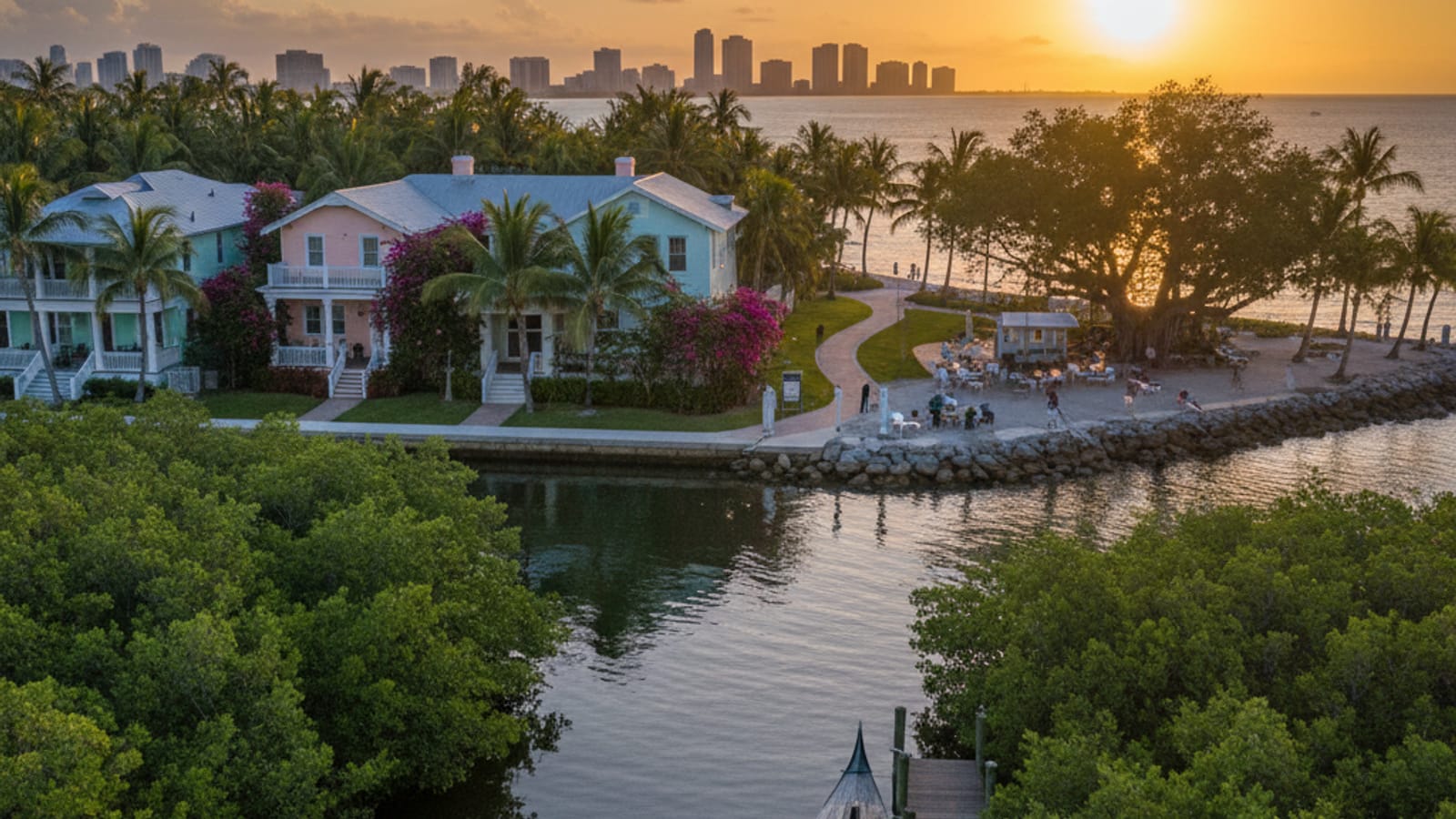
Tucked behind a wall of vegetation on Birch Road — literally a five-minute walk from the crowded beach strip — Bonnet House is one of South Florida's most magical places and hardly anyone knows it exists. This 35-acre estate was built in 1920 by artists Frederic and Evelyn Bartlett, and it feels like stepping into a tropical fever dream.
The house itself is a plantation-style mansion filled with the Bartletts' eclectic art collection, from ornate ceiling murals Frederic painted himself to Evelyn's whimsical animal sculptures scattered throughout the grounds. But the real star is the property. Thirty-five acres of subtropical wilderness in the middle of a beachfront city — mangrove wetlands, a freshwater slough, orchid gardens with over 3,000 specimens, and a troop of wild Brazilian squirrel monkeys that live in the trees and will absolutely steal your lunch if you're not paying attention.
The guided house tours run about 90 minutes and the docents are passionate storytellers who bring the Bartletts' unconventional love story to life. Frederic was 46 and Evelyn was in her 20s when they met at an art class in Chicago. She went on to outlive him by decades, continuing to develop the property until she donated it to the Florida Trust for Historic Preservation in 1983 at the age of 96.
You can also skip the house tour and just wander the gardens on a self-guided walk. The grounds are divided into distinct ecological zones — a desert garden with towering cacti, a hibiscus garden with hundreds of varieties, a monkeypod courtyard with a massive fig tree, and nature trails that wind through coastal hammock forest. Admission is $25 for the full tour or $20 for garden-only access.
What makes Bonnet House truly special is the contrast. You walk off a busy commercial street, through an unassuming gate, and suddenly you're in a world of wild monkeys, century-old banyan trees, and art-filled rooms that look like they haven't changed since 1940. It's the kind of place that makes you reconsider what Fort Lauderdale actually is.
Pro tip: Visit Bonnet House on a weekday morning for the most peaceful experience. The monkey troop is most active in the early morning and late afternoon — ask the staff where they've been spotted recently. Photography is excellent here, especially in the orchid house.
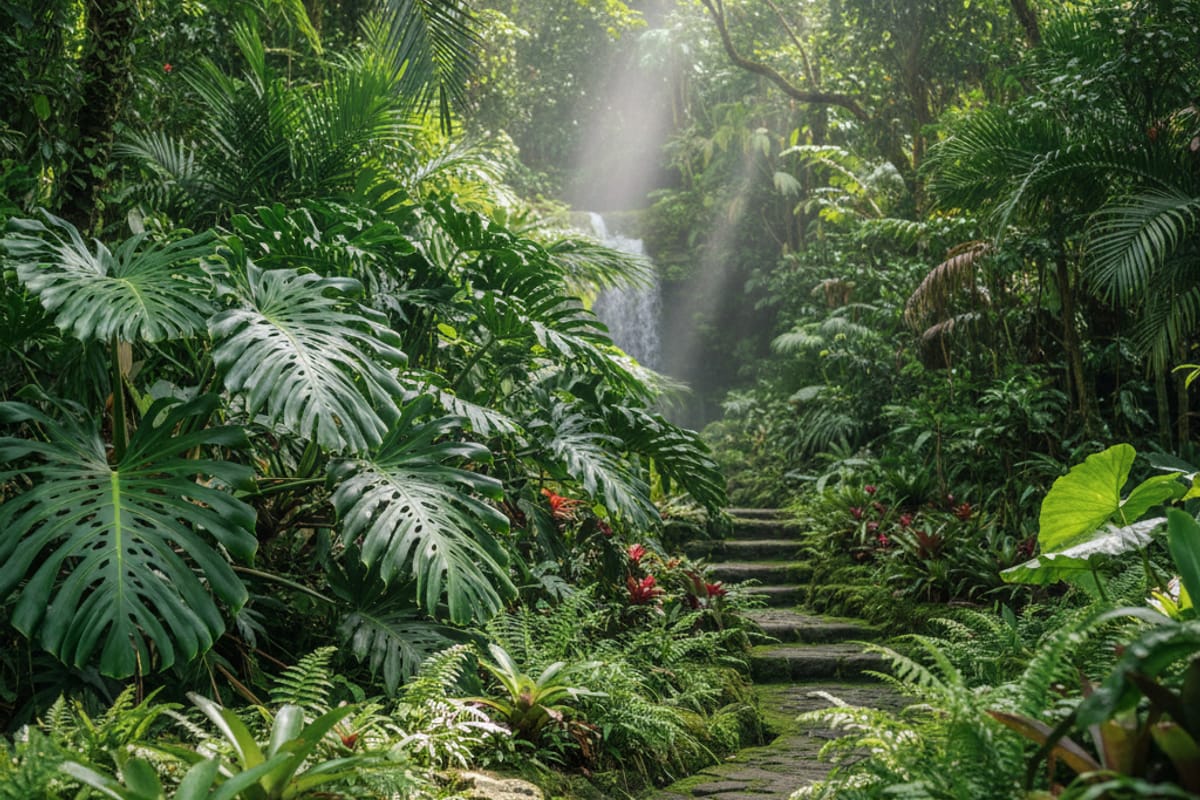 Bonnet House feels like a hidden tropical world just steps from the beach strip.
Hugh Taylor Birch State Park: Urban Wilderness on the Beach
Here's a scenario that sounds made up but isn't: you can walk from a beachfront hotel, cross A1A, and within two minutes be standing in a genuine coastal hammock forest with gopher tortoises, great blue herons, and a freshwater lagoon that looks like it belongs in the Everglades. Hugh Taylor Birch State Park is a 180-acre slice of old Florida wedged between the Intracoastal Waterway and the Atlantic Ocean, and it's one of the last remaining examples of what this entire coastline looked like before development.
The park offers something for almost everyone. There's a mile-long beach accessible through a tunnel under A1A — it's one of the quietest stretches of sand in the Fort Lauderdale area because most people don't know about the tunnel entrance. The 1.9-mile paved trail that loops through the park is flat and shaded, perfect for jogging, biking, or pushing a stroller. Kayak and canoe rentals ($20-30 per hour) let you paddle the mangrove-lined Intracoastal, where manatee sightings are common from November through March.
The park's freshwater lagoon is a surprising ecosystem. It's home to large tarpon that you can watch from a wooden observation deck, plus turtles, anhingas drying their wings on fallen logs, and the occasional osprey diving for fish. It feels genuinely wild, despite being surrounded by one of the most developed coastlines in America.
Hugh Taylor Birch himself was a Chicago attorney who bought the property in 1893, long before Fort Lauderdale was a city. He spent decades developing it as a private estate before donating it to the state of Florida. The park entrance fee is $6 per vehicle (or $2 for walk-ins and cyclists), making it one of the cheapest activities in the area.
The best-kept secret within the park is the coastal dune trail on the eastern edge. It's a short boardwalk path through sea grape and sea oat vegetation that opens onto a wide, uncrowded beach with no high-rises in sight. On a weekday, you might have this entire stretch of shoreline to yourself — a remarkable thing in a metro area of two million people.
Pro tip: Birch State Park has a limited number of parking spaces and fills up by 10 AM on weekends in winter. Arrive early or walk in from the beach side. The kayak rentals at the Intracoastal boat ramp are first-come, first-served — weekday mornings are your best bet.
Wilton Manors: Fort Lauderdale's Most Vibrant Neighborhood
Five minutes north of downtown Fort Lauderdale, the small city of Wilton Manors has evolved into one of the most interesting neighborhoods in all of South Florida. Known as one of America's most prominent LGBTQ+ communities, Wilton Manors offers a welcoming, eclectic atmosphere that has attracted a diverse mix of residents, artists, restaurateurs, and entrepreneurs.
Wilton Drive is the main artery, and it's packed with independent businesses that you won't find anywhere else. Rosie's Bar and Grill is a legendary local institution — a casual neighborhood bar with one of the best burgers in Broward County and a sprawling outdoor patio that's packed every night of the week. Stork's Bakery & Coffee has been serving some of the best baked goods in the area for decades, and their sandwiches are worth the short drive from the beach.
The dining scene on Wilton Drive punches well above its weight. Bubbles & Pearls does champagne and oysters in a sleek, modern space. Green Bar & Kitchen serves plant-based food that converts even committed carnivores. Tropics Grille offers Caribbean-influenced dishes with live music on weekends. And Georgie's Alibi Monkey Bar is the kind of lively neighborhood pub where everyone seems to know each other.
Beyond the restaurants and bars, Wilton Manors has a genuine small-town community feel that's increasingly rare in South Florida. The Wilton Manors Island City Park Preserve is a hidden green space with native habitat, walking trails, and a butterfly garden. The monthly art walks showcase local artists in pop-up galleries along Wilton Drive. And the Stonewall Street Festival and Pride events are among the largest and most celebrated in the Southeast.
What makes Wilton Manors worth visiting isn't any single attraction — it's the overall energy. The neighborhood feels authentically lived-in, creative, and welcoming in a way that beach tourist areas rarely do. It's the kind of place where you pop in for lunch and end up staying for dinner because you wandered into a gallery and then a coffee shop and then a vintage store and suddenly it's 7 PM.
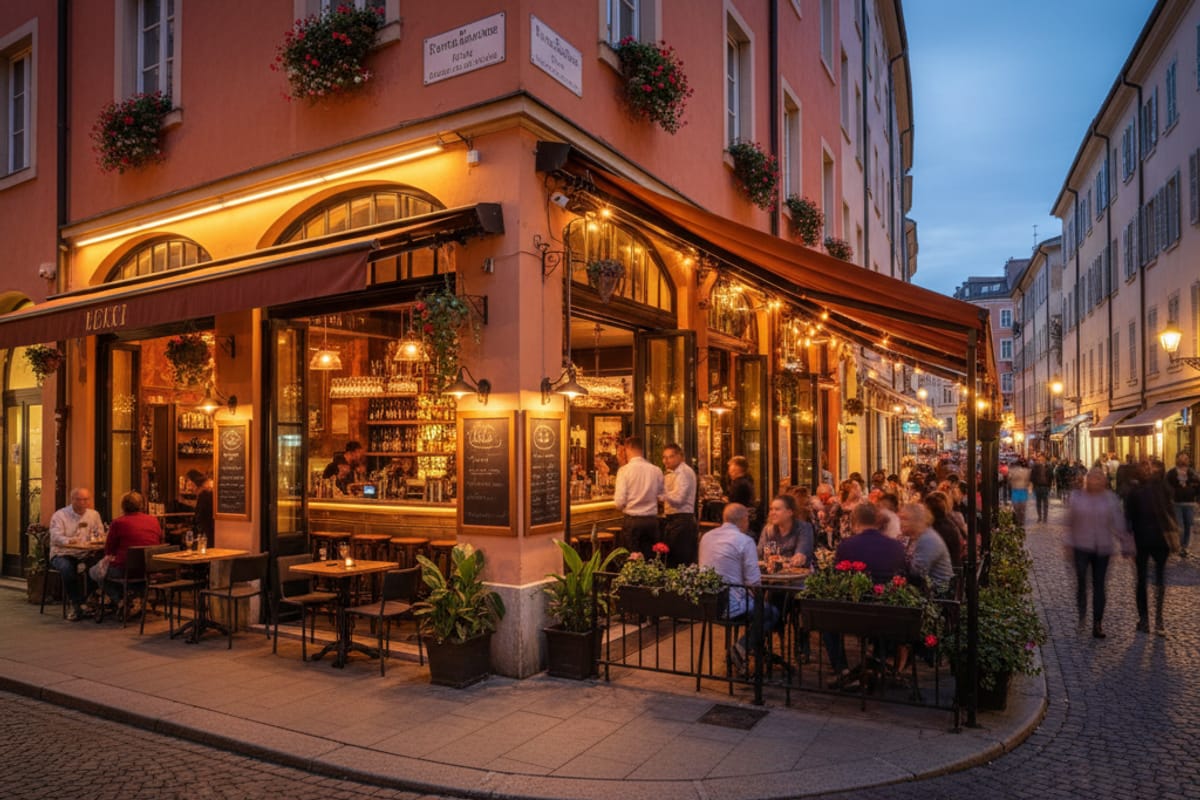 Wilton Manors packs more personality per square mile than almost anywhere in South Florida.
FATVillage Arts District: Where Fort Lauderdale Gets Creative
FATVillage (Flagler Arts and Technology Village) is Fort Lauderdale's answer to the question every mid-size city eventually asks: what do we do with abandoned warehouses? The answer, in this case, was to hand them over to artists, and the result is one of the most dynamic creative districts in Florida.
Located in the Flagler Village neighborhood just north of downtown, FATVillage is a cluster of converted industrial buildings that now house artist studios, galleries, creative agencies, and performance spaces. The district is anchored by a handful of permanent galleries and studios, but the real magic happens on the last Saturday of every month during the FATVillage Artwalk.
The monthly Artwalk transforms the district into an open-air art party. Warehouse doors roll up to reveal working studios, local artists set up outdoor displays, food trucks line the streets, DJs spin in parking lots, and the whole neighborhood takes on a festival atmosphere. The art ranges from fine art photography and sculpture to street art, digital installations, and performance pieces. It's free, it's fun, and it draws a genuinely diverse crowd — families, young professionals, retirees, artists, and people who just want to drink a craft beer in a warehouse.
Between Artwalks, several spaces are worth visiting on their own. The Urban Collective is a co-working space and gallery that hosts rotating exhibitions. The Art Fort Lauderdale fair, held annually in January, uses private waterfront homes as gallery spaces — it's a unique concept that has gotten national attention. And the nearby Brew Urban Cafe serves excellent coffee in a space that doubles as a showcase for local artists.
FATVillage is also the epicenter of Fort Lauderdale's mural scene. Several large-scale murals by nationally known street artists cover the warehouse walls, and new ones appear regularly. The area around NW 1st Avenue and NW 2nd Street has the highest concentration — take a self-guided walking tour and you'll find pieces that rival anything in Wynwood (Miami's famous mural district) without the crowds or the Instagram influencer traffic.
The district is still evolving, with new studios and businesses opening regularly. It has the raw, slightly unfinished energy of a creative neighborhood on the rise — which is exactly what makes it interesting. Come for the Artwalk, stay for the art, and leave knowing that Fort Lauderdale's cultural identity goes far deeper than beaches and boat shows.
Pro tip: The FATVillage Artwalk runs from 6 PM to 11 PM on the last Saturday of each month. Parking can be tight — the lot on NW 1st Avenue fills up fast, so arrive by 6:30 or use a ride-share. The event is family-friendly early in the evening and shifts to more of a nightlife scene after 9 PM.
Lauderdale-by-the-Sea: Snorkeling on a Living Reef
Fifteen minutes north of Fort Lauderdale Beach, the tiny town of Lauderdale-by-the-Sea sits atop something remarkable: a living coral reef that starts just 100 yards from shore. This is the closest nearshore reef to the mainland in the continental United States, and it makes Lauderdale-by-the-Sea one of the best snorkeling destinations on the entire East Coast.
The reef system runs parallel to the beach and is easily accessible from several entry points. The most popular is directly off the beach near the Anglin's Fishing Pier. Wade out past the sandbar, put your face in the water, and you're floating over brain corals, sea fans, and tropical fish that most people assume you need a boat to see. Parrotfish, sergeant majors, yellowtail snapper, and angelfish are common sightings. During sea turtle nesting season (May through October), green and loggerhead turtles are frequent visitors.
Several dive shops on Commercial Boulevard rent snorkel gear for $20-30 per day. Gold Coast Scuba and Lauderdale Diver are both well-established and offer guided snorkel tours for beginners ($35-45) that include gear and an instructor who knows exactly where to find the best marine life. If you're a certified diver, the outer reef about a quarter-mile offshore has even more impressive formations and the chance to see nurse sharks, moray eels, and spotted eagle rays.
The town itself is worth exploring after you dry off. Lauderdale-by-the-Sea has a strict four-story building height limit, which gives it a small-town beach village feel that's completely different from the high-rise corridor to the south. The commercial district along Commercial Boulevard has casual seafood restaurants, ice cream shops, and dive bars with genuine character. Aruba Beach Cafe is the local landmark — a beachfront restaurant with live music and fresh seafood that draws both locals and visitors.
The Anglin's Fishing Pier is another highlight. Rebuilt after Hurricane Sandy in 2012, the pier stretches 875 feet into the Atlantic and is a popular spot for fishing (no license required on the pier) and simply watching the ocean. The view back toward shore — low-rise buildings, coconut palms, clear water — looks like Florida did 50 years ago.
What locals know that tourists don't: the best snorkeling conditions are in the morning before the wind picks up, and the clearest water tends to come during incoming tides. Check the surf report before you go — anything over 3-foot waves makes snorkeling difficult and visibility poor.
Pro tip: The free Lauderdale-by-the-Sea parking lot on El Mar Drive fills by 9 AM on weekends. Metered street parking is available on Commercial Boulevard ($1.50/hour). For the best snorkeling experience, aim for a morning with calm seas and an incoming tide.
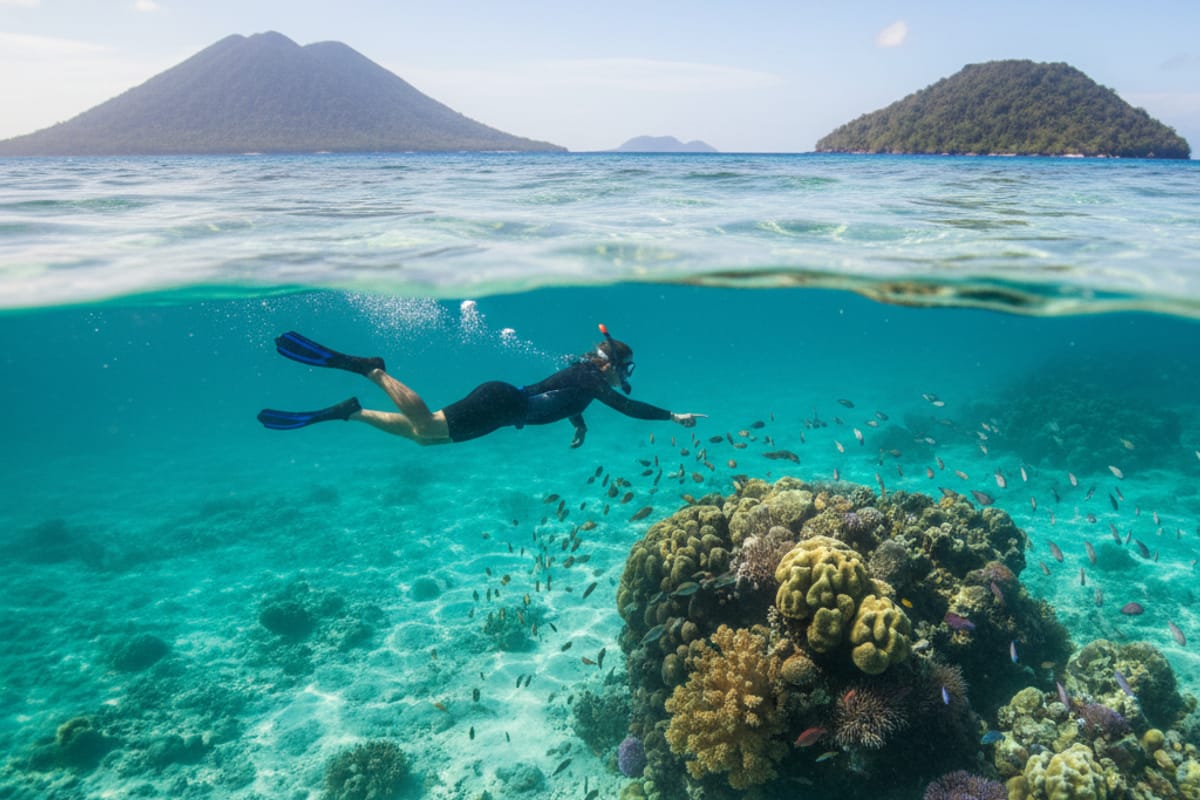 The reef at Lauderdale-by-the-Sea starts just 100 yards from shore — no boat needed.
The Swap Shop: Florida's Wildest Flea Market
Nothing quite prepares you for the Fort Lauderdale Swap Shop. Spread across 88 acres on Sunrise Boulevard, this is the largest flea market in the world — a sprawling, chaotic, utterly unique marketplace that has been a Fort Lauderdale institution since 1963. It's not hidden in the traditional sense (it's impossible to miss), but most tourists stick to the beach and never venture the three miles inland to experience this genuinely bizarre piece of local culture.
The outdoor market area alone has over 2,000 vendors selling everything imaginable: fresh produce, vintage clothing, electronics, handmade jewelry, bootleg sunglasses, antique furniture, power tools, tropical plants, live animals, and food from every conceivable cuisine. The haggling culture is alive and well — prices are suggestions, and a friendly negotiation will save you 20-40% on almost anything.
But the Swap Shop is more than a flea market. It also houses a 14-screen drive-in movie theater — one of the last remaining drive-ins in Florida and the largest in the country. Double features start at dusk every night, and the $10 per-car admission makes it one of the cheapest date nights in South Florida. The experience of watching a movie on a massive outdoor screen with the warm Florida night air is something you genuinely can't replicate anywhere else.
The food stalls inside the Swap Shop are a destination in themselves. Vendors serve everything from Colombian arepas and Haitian griot to Cuban sandwiches, Jamaican jerk chicken, and fresh-squeezed sugarcane juice. The food court is noisy, crowded, and absolutely delicious — bring cash, because many vendors don't take cards. A full meal rarely costs more than $8-10, which makes it one of the best cheap eats in the entire Fort Lauderdale area.
The indoor sections feel like a permanent bazaar — row after row of small shops selling gold jewelry, perfume, phone accessories, sports memorabilia, and items you didn't know you needed until you saw them. It's overwhelming in the best way. Plan to spend at least two hours here, and don't come with a shopping list — the Swap Shop rewards the aimless wanderer, not the purposeful shopper.
Is it touristy? Parts of it, sure. Is it kitschy? Absolutely. But it's also genuinely beloved by locals who've been coming here for decades, and it captures a side of Fort Lauderdale — multicultural, unpretentious, a little wild — that you'll never see from a beach chair on A1A. Come with an open mind, comfortable shoes, and cash in your pocket.
Pro tip: The Swap Shop is open daily, but the best selection is on weekends when all vendors are present. Saturday morning (8-11 AM) is prime time. The indoor sections are air-conditioned, which matters more than you'd think — the outdoor aisles can be brutal in the afternoon sun.
Why Trust This Guide
Recommendations from locals across 240+ US cities via Recommended.app community data.
Explore More
- Things to Do in Fort Lauderdale
- Fort Lauderdale Events
- Fort Lauderdale Deals
- Explore Fort Lauderdale
Related guides:
This guide is part of our Fort Lauderdale collection. Explore more guides for Fort Lauderdale →
Fort Lauderdale has 166 verified businesses on Recommended.app across 71 categories, with an average rating of 4.2 out of 5.
Hidden Gems Weekly
3 hidden gems, 2 local quotes, 1 home hack — every Monday. Free forever.
Unsubscribe anytime. No spam.
More from City Guides
 City Guide
First Time in Fort Lauderdale? Locals Wish You Knew These 12 Things
 City Guide
We Asked Fort Lauderdale Locals Where They Actually Eat — Here's What They Said
 Home Services
Water Damage Restoration Near Me: What to Do in the First 24 Hours (2026 Guide)
 Food & Dining
Best Buffet in Las Vegas 2026: What's Still Worth It After the Great Buffet Collapse
 Food & Dining
Best Coffee Shops in Chicago 2026: 20 Cafes Worth Leaving Your Apartment For
 Food & Dining