
Last updated March 12, 2026 by the Recommended.app research team.
What Plumbers Actually Charge in 2026
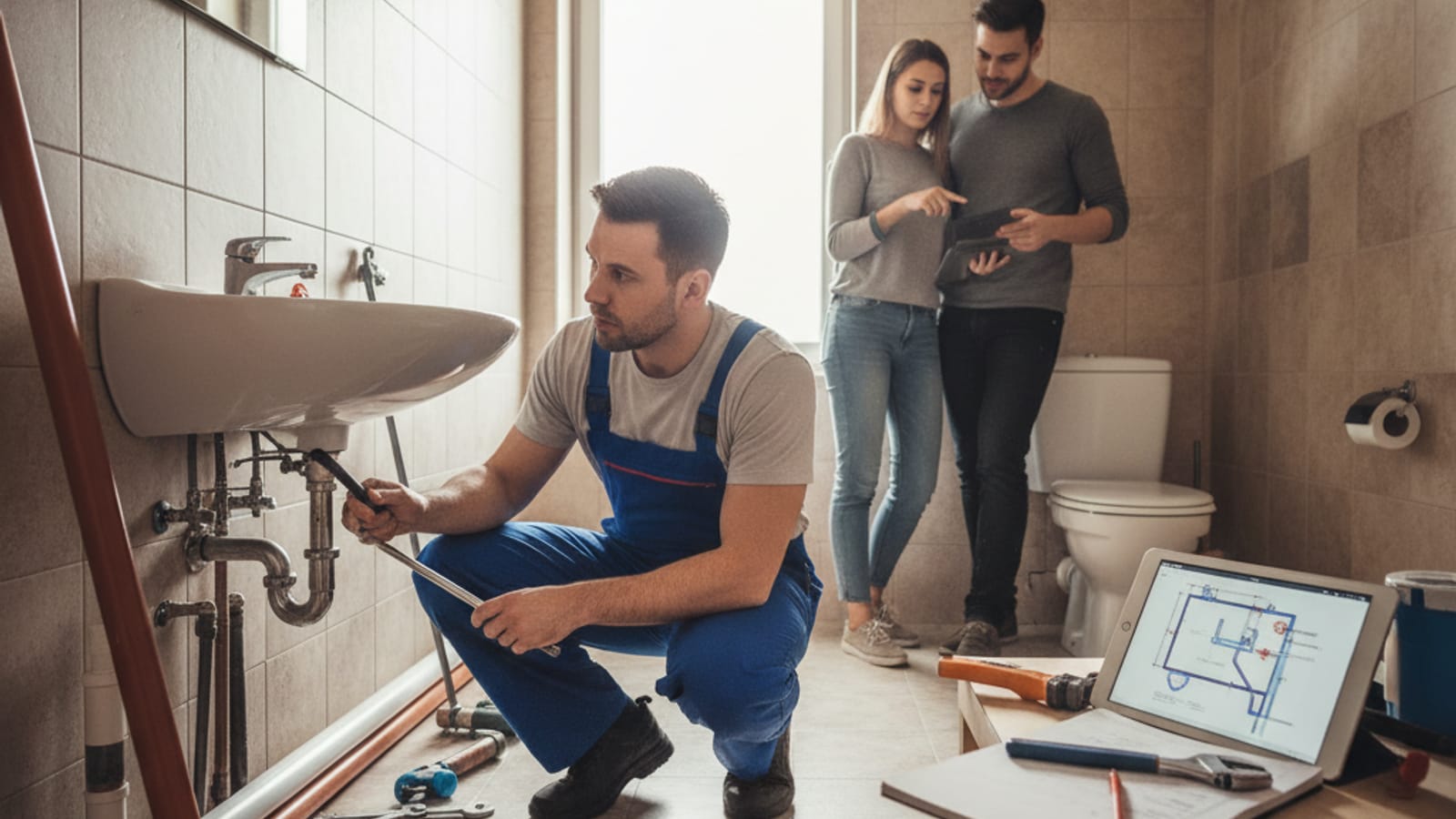
Plumbing is one of those trades where prices can feel completely random — one plumber quotes $150, another quotes $600 for the same job. Understanding the pricing structure helps you tell fair from predatory.
Service call fee: $75–$150. This is the "just to show up" fee. Some plumbers waive it if you hire them. Others don't. Ask upfront.
Hourly rates: $80–$150/hour for a licensed plumber. Emergency and after-hours rates add 50–100%. Rates vary significantly by city — NYC and SF plumbers charge $125–$200/hour while smaller markets run $60–$100/hour.
Common job costs: Unclog a drain: $100–$275. Fix a leaky faucet: $150–$300. Toilet repair: $100–$250. Toilet replacement: $200–$500 (plus the toilet). Water heater repair: $150–$500. Water heater replacement (tank): $800–$2,000 installed. Water heater replacement (tankless): $1,500–$3,500 installed. Sump pump installation: $500–$1,200. Main sewer line repair: $2,000–$7,000+.
Flat rate vs. hourly: Many plumbers now offer flat-rate pricing for common jobs. This is generally better for the homeowner — you know the cost upfront regardless of how long it takes. Always ask if flat-rate pricing is available.
When You Actually Need a Plumber (and When You Don't)
Not every plumbing issue requires a professional. Here's the honest breakdown:
DIY-friendly (save your money): Unclogging a slow drain with a plunger or drain snake ($10–$30 tool). Replacing a showerhead (hand-tighten, no tools needed). Replacing a toilet flapper ($5 part, 10 minutes). Tightening a loose faucet handle. Replacing a washing machine hose. Using plumber's tape to fix a minor threaded connection leak.
Call a plumber: Any leak you can't identify the source of. No hot water (water heater issues). Sewer smell in the house. Multiple drains backing up simultaneously (main line issue). Frozen pipes (improper thawing causes burst pipes). Any work that requires soldering, cutting into walls, or connecting to the main water line. Water heater installation. Gas line work (this requires a plumber with specific gas line certification).
Call a plumber IMMEDIATELY: Burst pipe or major water leak (shut off the main water valve first). Sewage backup into the home. Gas smell near water heater or gas lines (also call your gas utility).
Pro tip: Know where your main water shut-off valve is BEFORE you have an emergency. In most homes, it's in the basement, crawl space, or near the water meter. Shutting off the main valve immediately when a pipe bursts can save thousands in water damage. Test it once a year to make sure it actually works.
How to Find and Vet a Good Plumber
Finding a reliable plumber before you have an emergency is one of the smartest things a homeowner can do. Here's the process:
Start with referrals. Ask neighbors, friends, and your real estate agent. A plumber who's been serving the same community for years with a strong reputation is worth more than any online rating.
Check licensing. Every state requires plumbers to be licensed. Verify through your state's licensing board. There are typically three levels: apprentice, journeyman, and master plumber. For most residential work, a journeyman or master plumber is who you want.
Verify insurance. Plumbing work involves water — and water damage is expensive. Your plumber should carry general liability insurance ($500K minimum) and workers' compensation. Ask for a Certificate of Insurance.
Get 3 quotes for non-emergency work. Plumbing estimates should be free for standard jobs. If a plumber charges to quote a basic repair, that's a red flag.
Questions to ask: Are you licensed and insured? What's your service call fee? Do you offer flat-rate pricing? What's your warranty on labor? How long have you been in business? Can you provide references?
Plumbing Scams and Red Flags
The plumbing industry has well-known scam patterns. Know them so you don't become a statistic:
The "you need a whole new water heater" scam: A plumber diagnoses a simple thermostat or element issue as a complete water heater failure. Second opinion: $150 repair vs. $2,000 replacement. Always get a second opinion on major replacements.
The bait-and-switch estimate: They quote a low price on the phone, then "discover" additional problems once they start work and the price doubles. A good plumber will give you a firm written estimate after diagnosing the issue — before starting any work.
The unnecessary camera inspection: Some plumbers recommend a $200–$400 sewer camera inspection for every drain clog. Camera inspections are valuable for recurring main line issues, but they're unnecessary for a simple kitchen drain clog.
Scare tactics about "dangerous" situations: Phrases like "this could flood your whole house" or "this is a health hazard" are used to justify inflated emergency pricing. While some situations are genuinely urgent, a reputable plumber explains the risk calmly and gives you options — they don't pressure you into an immediate expensive repair.
Demanding cash payment with no receipt: This is a universal contractor red flag. Always get a written invoice.
How to Save Money on Plumbing
You don't have to overpay for plumbing. Here are proven strategies:
Schedule during off-peak times. Weekday appointments during business hours are cheapest. Emergency weekend and holiday calls cost 50–100% more.
Bundle multiple jobs. If you need a faucet replaced and a toilet fixed, do them in one visit. You'll pay one service call fee instead of two, and the plumber may discount the second job.
Buy your own fixtures. Plumbers typically mark up fixtures 20–50%. Buy your own faucet, toilet, or water heater and have the plumber install it. Some plumbers don't warranty fixtures they didn't supply — ask about this upfront.
Do your own diagnostics. Before calling, figure out exactly what's wrong. A slow drain, a running toilet, a specific leak location — the more information you provide, the faster (and cheaper) the repair.
Preventive maintenance. A $150 annual plumbing inspection can catch small problems before they become $5,000 emergencies. This is especially true for homes with older pipes, sump pumps, or well water systems.
Get Free Quotes from Licensed Plumbers
Need a plumber? We've partnered with Angi to help you find licensed, insured plumbers in your area. Get free quotes from multiple pros, compare prices and reviews, and hire with confidence.
Pro tip: Don't wait for an emergency. Find a reliable plumber now and save their number. When a pipe bursts at midnight, you'll be glad you already have a trusted pro on speed dial.
Tools You'll Need
Whether you're doing prep work or small fixes yourself, these tools are worth having. A drain snake ($15-25) handles most slow drains without calling a plumber — it's the first thing a pro would try anyway. Check it out on Amazon (https://www.amazon.com/s?k=drain+snake+auger&tag=recommendedapp-20). A pipe wrench ($15-20) gives you the grip to tighten or loosen stubborn plumbing connections under sinks and behind toilets (https://www.amazon.com/s?k=pipe+wrench+plumbing&tag=recommendedapp-20). And a roll of plumber's tape ($3-5) is something every homeowner should have — wrap it around threaded connections to stop minor leaks on showerheads, supply lines, and faucet fittings (https://www.amazon.com/s?k=plumbers+tape+teflon&tag=recommendedapp-20).
Why Trust This Guide
Recommendations from locals across 240+ US cities via Recommended.app community data.
Explore More
Hidden Gems Weekly
3 hidden gems, 2 local quotes, 1 home hack — every Monday. Free forever.
Unsubscribe anytime. No spam.
More from City Guides
 Home Services
Water Damage Restoration Near Me: What to Do in the First 24 Hours (2026 Guide)
 Food & Dining
Best Buffet in Las Vegas 2026: What's Still Worth It After the Great Buffet Collapse
 Food & Dining
Best Coffee Shops in Chicago 2026: 20 Cafes Worth Leaving Your Apartment For
 Food & Dining
Best Restaurants in Hilton Head 2026: 18 Spots Worth Every Dollar
 Food & Dining
Best Restaurants in Charlotte 2026: 20 Spots That Define the Queen City's Food Scene
 Food & Dining