
Last updated March 14, 2026 by the Recommended.app research team.
Miami Beyond South Beach
Most visitors to Miami see Ocean Drive, Lincoln Road, maybe Wynwood Walls, and call it a trip. And that's fine — South Beach is beautiful. But the Miami that locals love is scattered across a dozen neighborhoods, each with its own personality, food, and culture.
This guide covers the places that don't make the Instagram highlight reels but absolutely should. From a Haitian botanical garden to a hidden swimming hole in Coral Gables, these are the spots that make Miami one of the most interesting cities in America.
1. Little Haiti — The Soul of the City
Little Haiti is Miami's most underrated neighborhood. The Caribbean Marketplace on NE 2nd Avenue is a bright, open-air market modeled after the Iron Market in Port-au-Prince. On weekends, you'll find Haitian art, handmade crafts, and live kompa music.
For food, Chez Le Bebe has been serving goat stew, griot (fried pork), and rice and beans since 1992. It's a no-frills counter spot that locals line up for. Chef Creole is another favorite — their conch and oxtail are legendary. Expect to pay $12-18 for a massive plate.
The neighborhood is also home to the Little Haiti Cultural Complex, which hosts free art exhibitions, film screenings, and community events.
Pro tip: Visit on a Saturday morning when the Caribbean Marketplace is most active. Combine it with a walk through the murals on NE 2nd — the street art here rivals Wynwood but with zero crowds.
2. Venetian Pool, Coral Gables
Built in 1924 from a coral rock quarry, the Venetian Pool is a spring-fed public swimming pool with waterfalls, caves, and Venetian-style architecture. It looks like something from a Mediterranean resort, and it's a City of Coral Gables public facility — admission is around $15-20.
The pool drains and refills with spring water daily. It's open seasonally (typically April through October) and fills up fast on weekends. This is one of the few truly unique things in Miami that you can't find anywhere else in the country.
Pro tip: Go on a Tuesday or Wednesday afternoon — weekends are packed with families. No children under 3 are allowed, which keeps it calmer than most public pools.
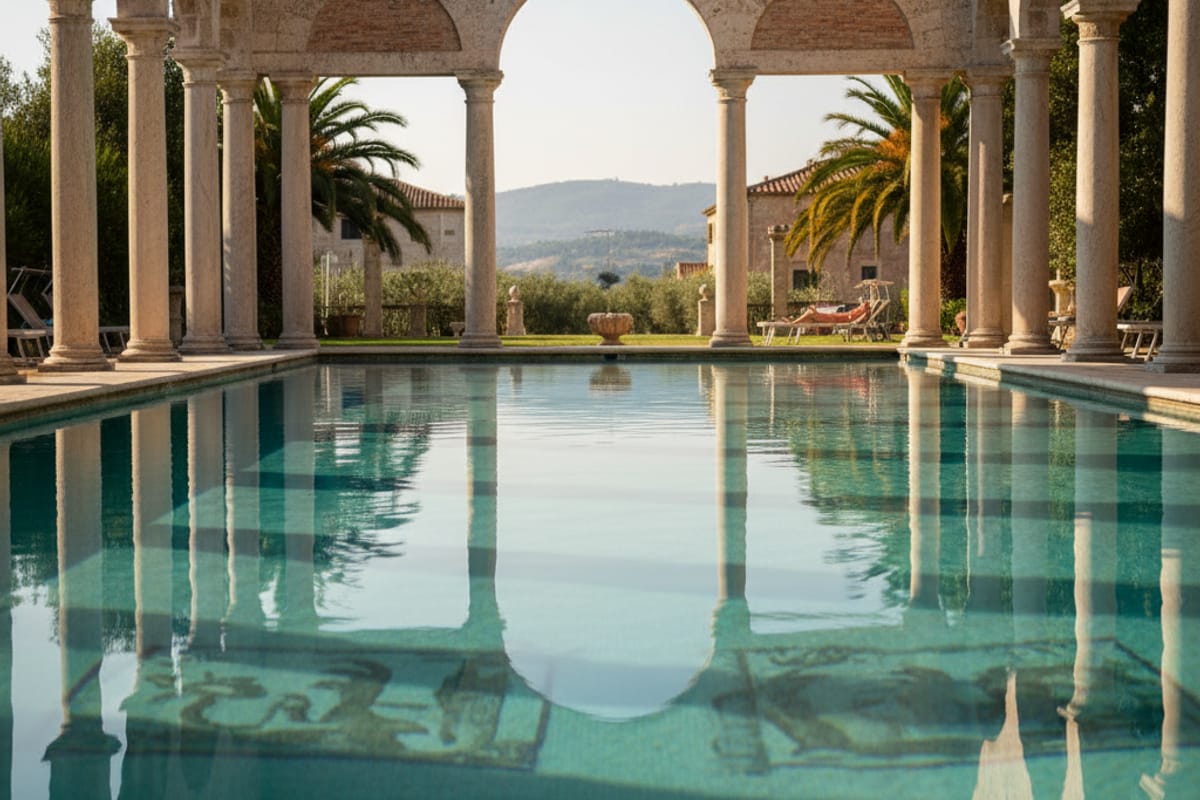 The Venetian Pool — a 1924 coral rock quarry turned Mediterranean oasis.
3–4. Wynwood's Back Alleys & the Rubell Museum
Everyone visits Wynwood Walls. Almost nobody explores the side streets. Walk two blocks north or south of the Walls and you'll find incredible murals with no one around. The alley between NW 25th and NW 26th Street is a local favorite — it changes every few months as new artists rotate in.
The Rubell Museum in Allapattah (10 minutes from Wynwood) is a 100,000-square-foot private contemporary art museum built in a former DEA warehouse. The collection includes works by Keith Haring, Jean-Michel Basquiat, Kaws, and Cindy Sherman. Admission is $15, and the on-site restaurant Leku is excellent for lunch.
5–6. Key Biscayne & Stiltsville
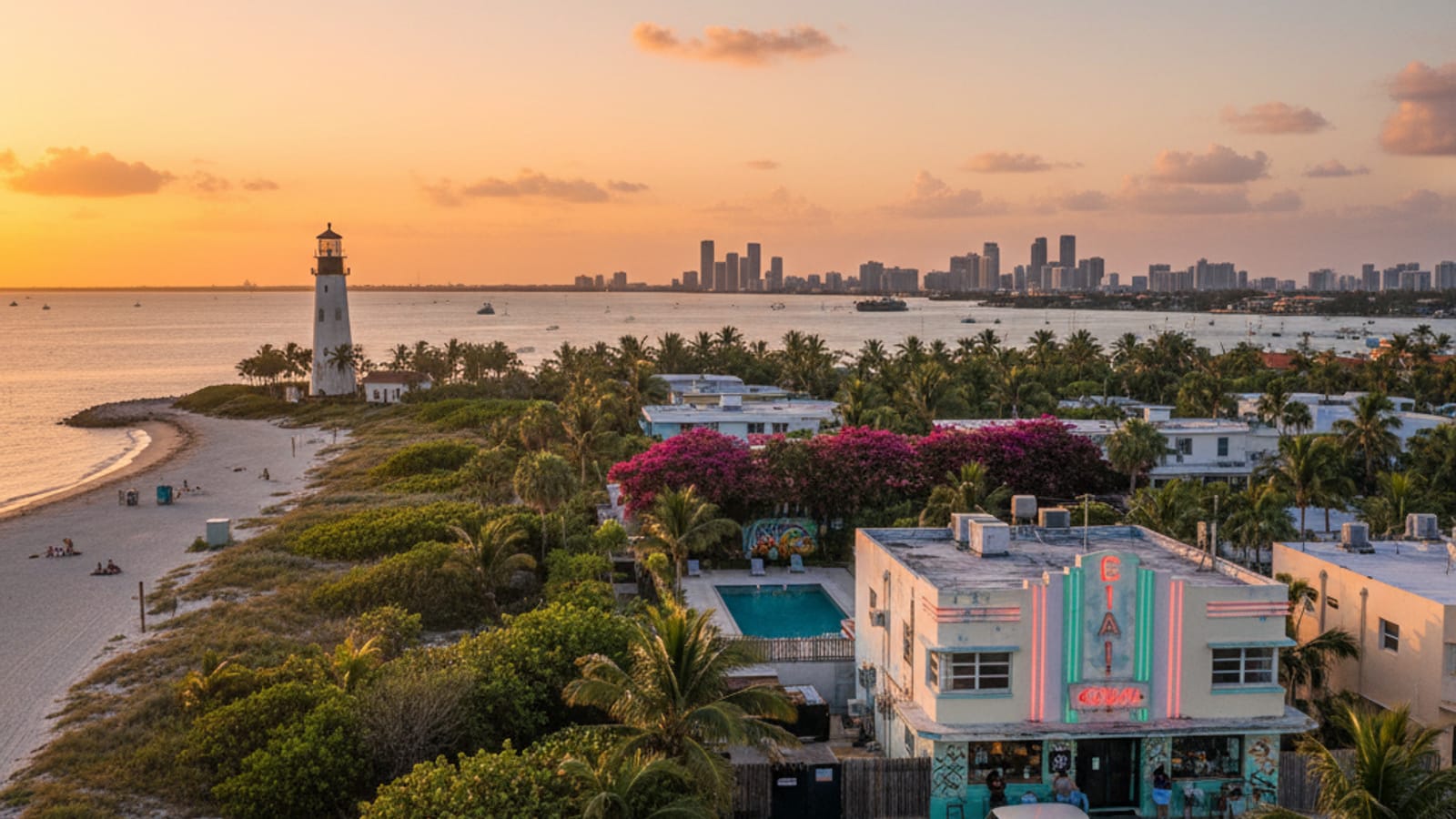
Rent a bike and ride across the Rickenbacker Causeway to Key Biscayne. Bill Baggs Cape Florida State Park at the southern tip has one of the best beaches in Miami — clear water, historic lighthouse, and a fraction of the South Beach crowds. The park also has excellent kayak and paddleboard rentals.
From the beach, you can see Stiltsville — a collection of wooden houses built on stilts a mile offshore in Biscayne Bay. Most were built in the 1930s-60s as party houses and fishing clubs. You can't visit them by land, but several boat tour operators run trips out there.
Pro tip: The Rickenbacker Causeway has a $2 toll for cars but bikes cross free. The ride from Brickell to Bill Baggs is about 7 miles and mostly flat with stunning bay views the entire way.
7–8. Coconut Grove & Vizcaya
Coconut Grove is Miami's oldest continuously inhabited neighborhood and it still has a village feel. The main strip on Grand Avenue has independent bookstores, outdoor cafes, and the Coconut Grove Playhouse (currently being restored). Saturday farmers market at Peacock Park is small but high-quality.
Vizcaya Museum and Gardens is technically a tourist attraction, but most tourists skip it for South Beach. Built in 1916 as a winter residence for industrialist James Deering, it's an Italian Renaissance villa with 10 acres of formal gardens on the waterfront. The architecture and gardens are stunning and surprisingly uncrowded on weekdays.
9–10. Design District & Overtown
The Design District is Miami's luxury shopping neighborhood, but you don't need to buy anything. The architecture alone is worth a visit — the buildings are designed by some of the biggest names in contemporary architecture and the public art installations change regularly. The rooftop at the Institute of Contemporary Art (ICA) is free and has great views.
Overtown, just north of downtown, is the historic center of Miami's Black community. Red Rooster by Marcus Samuelsson opened here and is excellent, but the real gem is Jackson Soul Food — a family-run spot serving Southern breakfast (smothered chicken, grits, fried fish) since 1946. Cash only.
11–12. Deering Estate & Oleta River State Park
Deering Estate at Cutler is a 444-acre nature preserve on Biscayne Bay with two historic houses, archaeological sites, and nature trails through tropical hardwood hammocks and mangroves. It hosts full moon kayak tours that are magical — paddling through mangrove tunnels under moonlight with bioluminescence in the water.
Oleta River State Park in North Miami Beach is the largest urban park in Florida. It has mountain biking trails (unusual for flat Miami), kayak launches into the mangroves, and a beach on Biscayne Bay that feels remote despite being 15 minutes from Aventura Mall.
Pro tip: Book the Deering Estate moonlight kayak tour at least 2 weeks in advance — they sell out every month. It runs about $45 per person and is genuinely one of the most unique experiences in South Florida.
Recommended Travel Gear
A few items that'll make your Miami trip smoother. A waterproof phone pouch ($8-12) is worth every penny — between the beach, kayaking at Deering Estate, and paddleboarding at Key Biscayne, your phone will be near water constantly. Check it out on Amazon (https://www.amazon.com/s?k=waterproof+phone+pouch&tag=recommendedapp-20). Reef-safe sunscreen is a must if you're swimming or kayaking in Biscayne Bay — regular sunscreen damages the coral and marine life that make these spots special (https://www.amazon.com/s?k=reef+safe+sunscreen&tag=recommendedapp-20). And a lightweight daypack makes exploring neighborhoods like Little Haiti and Coconut Grove much easier when you're hopping between galleries, markets, and restaurants all day (https://www.amazon.com/s?k=lightweight+packable+daypack&tag=recommendedapp-20).
Why Trust This Guide
Recommendations from locals across 240+ US cities via Recommended.app community data.
Explore More
This guide is part of our Miami collection. Explore more guides for Miami →
Miami has 696 verified businesses on Recommended.app across 95 categories, with an average rating of 4.6 out of 5.
Hidden Gems Weekly
3 hidden gems, 2 local quotes, 1 home hack — every Monday. Free forever.
Unsubscribe anytime. No spam.
More from City Guides
 City Guide
15 Miami Hidden Gems Beyond South Beach in 2026
 Hidden Gems
Miami: 12 Spots Locals Love
 City Guide
Miami on a Budget: Free and Cheap Things to Do
 City Guide
We Asked Miami Locals Where They Actually Eat — Here's What They Said
 City Guide
The Perfect Weekend in Miami: A 2-Day Itinerary
 Home Services