
Last updated March 15, 2026 by the Recommended.app research team.
Roosevelt Row: Phoenix's Best-Kept Creative Secret
Roosevelt Row — locals call it RoRo — is the arts and culture spine of downtown Phoenix, and it's quietly become one of the best urban arts districts in the Southwest. Stretching along Roosevelt Street between 7th Avenue and 16th Street, this neighborhood is covered in massive murals, dotted with independent galleries, and anchored by some of the most interesting small businesses in the city.
The murals alone are worth the visit. Every wall, alley, and utility box in the district has been transformed by local and international street artists. The work changes constantly — new pieces go up regularly, especially around the annual Roosevelt Row Chile Pepper Festival and First Friday events. Some standouts include the giant geometric pieces on the Bragg's Pie Factory building and the rotating murals on the Modified Arts gallery exterior.
First Friday is the main event. On the first Friday of every month, the district comes alive from 6-10 PM with open galleries, street performers, food trucks, pop-up vendors, and thousands of people walking the streets. It's free, it's vibrant, and it's the best way to feel the creative pulse of Phoenix. The galleries along Grand Avenue — Practical Art, MonOrchid, and Eye Lounge — open their doors with free admission and often serve drinks.
For food in the area, Poco & Mom's Cantina on East Roosevelt does excellent tacos and mezcal cocktails in a converted house with a big patio. The Churchill is a repurposed shipping container complex with multiple food vendors, a bar, and communal seating — it's a perfect lunch or afternoon drink spot. And Lux Central on North Central Avenue, just a few blocks south, is arguably the best coffee shop in Phoenix: a converted mid-century apartment building with incredible espresso, pastries, and a shaded patio where people linger for hours.
Most tourists head straight to Old Town Scottsdale for culture. RoRo is grittier, more authentic, and infinitely more interesting. The neighborhood is walkable, parking is easy (free lots on side streets), and you can combine it with a visit to the nearby Phoenix Art Museum or Heard Museum to make a full day of it.
Pro tip: First Friday on Roosevelt Row draws big crowds, and parking fills up fast. Park at the lot behind the Heard Museum (free after 5 PM) and walk east into the district. Or take the light rail to the Roosevelt/Central station and you're right in the middle of it. Arrive by 6:30 PM for the best gallery access before it gets packed.
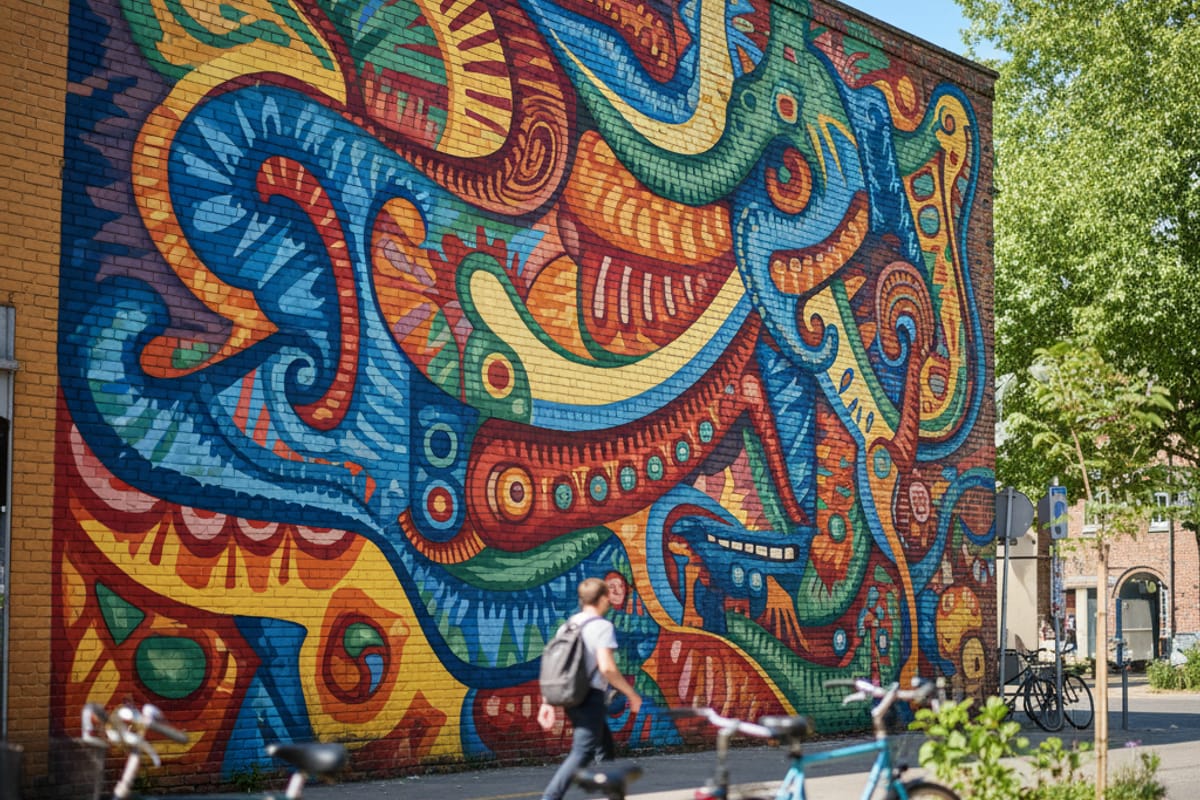 Roosevelt Row murals transform the neighborhood into an open-air gallery.
South Mountain Park: America's Largest Municipal Park
South Mountain Park and Preserve covers over 16,000 acres of rugged Sonoran Desert terrain on the south side of the city, making it the largest municipal park in the United States. And yet most Phoenix visitors have never heard of it. They all flock to Camelback Mountain (which is great but crowded), while South Mountain sits there with 51 miles of trails, far fewer people, and views that are just as stunning.
The marquee hike is the National Trail — a 14.3-mile point-to-point traverse of the entire mountain range. Most people don't do the whole thing; instead, they access sections from different trailheads. The most popular starting point is the Pima Canyon Trailhead on the east end, where you can hike 2-3 miles into the park and back with excellent views of Ahwatukee and the Gila River Indian Community below.
For a shorter option, drive up Summit Road to Dobbins Lookout, the highest point in the park at 2,330 feet. The road winds up through the desert with several pullouts for photos, and the lookout offers a 360-degree panorama of the valley. On clear days you can see all the way to the Superstition Mountains 40 miles to the east. Dobbins Lookout is also a legendary sunset spot — arrive 45 minutes early to claim parking, because word has gotten out.
Mountain biking is huge at South Mountain. The Desert Classic Trail is a favorite among intermediate riders — a rolling, flowy singletrack that winds through saguaro-studded terrain. Bike rentals are available nearby at Global Bikes on East Baseline Road for about $40-60/day.
The park is free, open from 5 AM to 7 PM (or 11 PM for Summit Road), and rarely feels crowded even on weekends. It's a genuine hidden gem sitting right at the edge of the city, and it deserves a spot on every Phoenix itinerary.
Pro tip: South Mountain's trails are largely exposed with no shade. Even in winter, bring at least a liter of water per person per hour of hiking. The desert sun is deceiving — it can be 60 degrees and still dehydrate you quickly. Pima Canyon Trailhead has restrooms and water fountains; most other trailheads do not.
The Heard Museum & Mystery Castle: Phoenix's Quirky History
The Heard Museum on East Monte Vista Road is dedicated to the art and culture of Indigenous peoples of the American Southwest, and it is extraordinary. This isn't a stuffy, dimly lit institution — it's a vibrant, beautifully curated space that tells the story of Native American history, art, and contemporary life with depth and respect.
The centerpiece exhibit, HOME: Native People in the Southwest, walks you through 2,000 years of history across 10 galleries. The Kachina doll collection is one of the largest in the world, with over 400 pieces. The Barry Goldwater collection of Hopi Kachina dolls alone is worth the trip. Contemporary Native artists rotate through the galleries regularly, and the sculpture garden outside is a quiet oasis. Admission is $22 for adults, and you should plan 2-3 hours minimum.
Now for something completely different: Mystery Castle. Tucked at the base of South Mountain, this 18-room house was built by Boyce Luther Gulley starting in 1930 using whatever materials he could find — desert stone, recycled railroad rails, automobile parts, telephone poles, and even goat's milk mixed with cement. Gulley, who was dying of tuberculosis, built the castle for his daughter Mary Lou after she expressed sadness that sand castles always washed away.
Mary Lou lived in the castle until her death in 2010, giving tours herself for decades. Today, guided tours run Thursday through Sunday from October through May ($10 admission). The house is a fever dream of folk architecture — rooms connected by narrow passages, a chapel, a bar with a trap door, and rooftop parapets with views of the valley. It's weird, wonderful, and completely unlike anything else in Phoenix.
Most tourists never hear about Mystery Castle because it's not well-marketed and it's hard to find (follow the signs from the South Mountain Park entrance on East Mineral Road). That's part of its charm. It's the kind of place that makes you feel like you've discovered something real — because you have.
Pro tip: The Heard Museum offers free admission on first Fridays from 6-10 PM, timed perfectly with the Roosevelt Row First Friday celebration nearby. You can walk between the two — the Heard is about a 10-minute walk from the heart of RoRo. That combo is the best free evening in Phoenix.
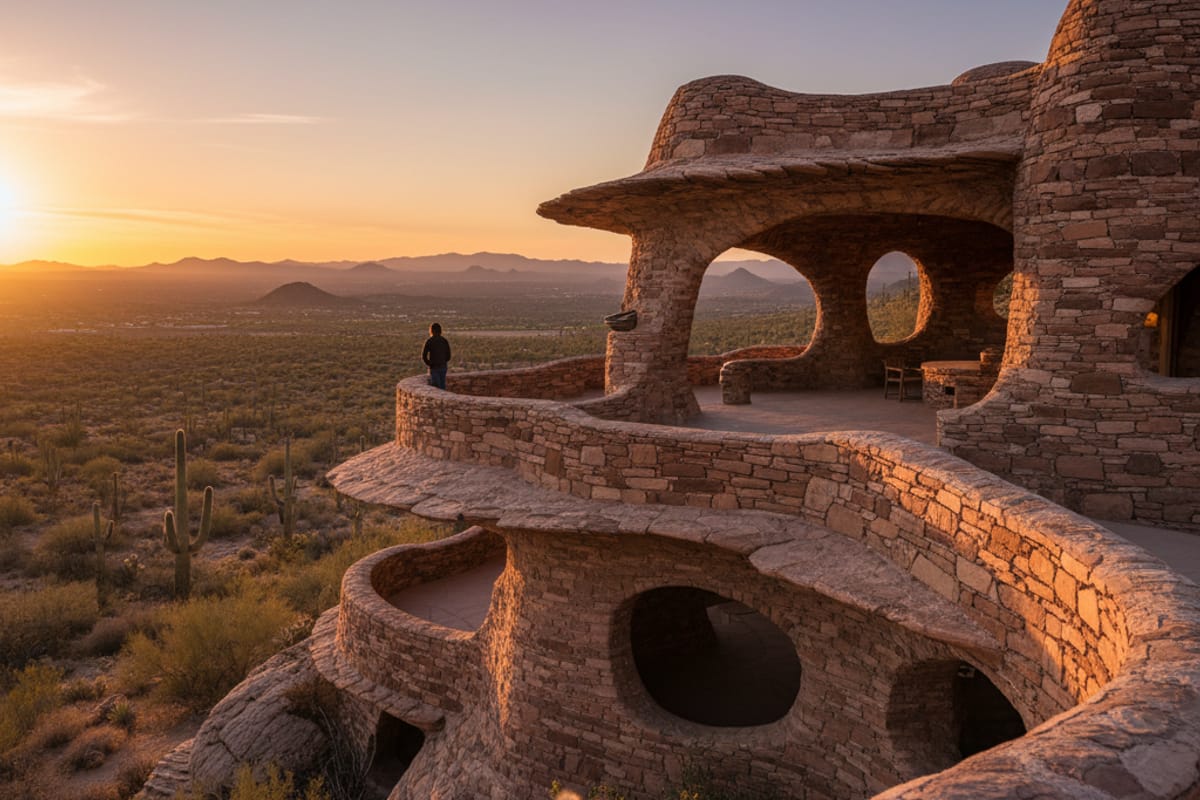 Mystery Castle — 18 rooms of folk art built from desert scraps and love.
Japanese Friendship Garden & Cultural Calm
Nestled in the heart of downtown Phoenix, right next to the convention center, the Japanese Friendship Garden of Phoenix (Ro Ho En) is a 3.5-acre oasis that most visitors walk right past. It's a traditional stroll garden designed in collaboration with Phoenix's sister city of Himeji, Japan, featuring a large koi pond, a 12-foot waterfall, a stone garden, a tea house, and over 1,500 plants from both Japanese and Sonoran Desert traditions.
What makes this garden special is the blending of Japanese design principles with the Sonoran Desert landscape. You'll see traditional Japanese stone lanterns alongside saguaros, bonsai next to palo verde trees, and koi swimming beneath mesquite shade. It's a meditation on how two very different landscapes can coexist beautifully.
Admission is $8 for adults — one of the best deals in the city. The garden is small enough to walk in 30-45 minutes, but most people end up staying longer. Bring a book, find a bench by the koi pond, and just sit. In a city that's always moving, always building, this garden is a deliberate pause.
The tea garden serves matcha and traditional Japanese sweets on weekends, and the spring cherry blossom festival (usually late February or early March) draws crowds for taiko drumming, tea ceremonies, and Japanese food vendors. The fall Obon Festival celebrates Japanese heritage with lanterns floated on the pond — it's one of the most beautiful events in the city.
Pair this with a visit to the nearby Heritage and Science Park, where you can see the Rosson House Museum — a stunning Victorian mansion from 1895 that's one of the few remaining original structures in downtown Phoenix. Tours are $8 and run about 45 minutes. The contrast between the Japanese garden, the Victorian house, and the modern high-rises of downtown all within a few blocks of each other is quintessentially Phoenix.
Pro tip: Visit the Japanese Friendship Garden on a weekday morning. You'll likely have the place nearly to yourself, and the morning light on the koi pond is gorgeous. The garden closes at 4 PM in summer and 5 PM in winter, so plan accordingly. Parking is available in the adjacent Heritage and Science Park lot for $5.
Changing Hands Bookstore & the Melrose District
Changing Hands Bookstore on North 7th Avenue is one of the best independent bookstores in America, and it anchors one of Phoenix's most interesting neighborhoods: the Melrose District. The bookstore occupies a beautiful mid-century building and stocks an exceptional mix of new, used, and rare books across two floors. The staff recommendations are genuinely good — not algorithm-driven suggestions, but handwritten cards from people who actually read the books they're recommending.
The in-store events calendar is packed: author readings, book clubs, poetry nights, and community discussions happen almost daily. They also have a cafe, Changing Hands Second Story, that serves solid coffee and pastries with a view of the store below. You can easily lose two hours here without realizing it.
The Melrose District along 7th Avenue between Indian School Road and Camelback Road is Phoenix's antique and vintage corridor. Dozens of shops sell mid-century furniture, vintage clothing, vinyl records, and antiques. Melrose Vintage on 7th Avenue is the standout — two floors of curated vintage furniture, art, and oddities from the 1950s through 1980s. Brass Unicorn, a few blocks north, does taxidermy, crystals, and curiosities in a space that feels like a Victorian curiosity cabinet.
For food in the Melrose District, Tacos Chiwas on North 16th Street (technically a few blocks east, but close enough) serves some of the best tacos in Phoenix — Chihuahua-style with handmade tortillas, phenomenal carne asada, and a salsa bar that'll blow your mind. Most tacos are $3-4. The Welcome Diner on East Pierce Street, slightly south of Melrose, does elevated comfort food in a tiny converted house — their fried chicken biscuit sandwich at brunch has a cult following.
The Melrose District doesn't show up in most Phoenix travel guides, and that's what makes it great. It's a neighborhood for people who like browsing, discovering, and taking their time. No rush, no crowds, no bottle service — just interesting shops, good food, and a laid-back vibe that feels like the Phoenix locals actually inhabit.
Pro tip: Changing Hands hosts a monthly First Draft Book Club that's free and open to everyone. Check their website for the current selection. Also, the Melrose District is at its best on Saturday mornings — most shops open at 10 AM, and the neighborhood farmers market at Uptown Plaza (7th Avenue and Bethany Home Road) runs from 8 AM to 1 PM with local produce, baked goods, and food vendors.
The Hole-in-the-Wall Taqueria Trail
This is the hidden gem within the hidden gems: a self-guided taco crawl through the unassuming taquerias that represent the true soul of Phoenix's food scene. These aren't restaurants that advertise. They don't have Instagram accounts or Michelin aspirations. They're small, family-run operations that have been making the same recipes for decades, and they are staggeringly good.
Start at Tacos Atoyac on West Van Buren Street near 27th Avenue. This tiny Oaxacan spot specializes in moles — complex sauces that take days to prepare. Their mole negro is deep, smoky, and layered with flavors you'll be thinking about for weeks. A plate with rice, beans, and handmade tortillas runs about $12. The space is modest — maybe eight tables — and the menu is in Spanish, but the staff is friendly and happy to help you order.
Next, drive south to Taqueria Los Yaquis on South Central Avenue, a food truck that's earned a permanent spot in a gas station parking lot (yes, really). Their carne asada tacos are $2.50 each and are served on fresh corn tortillas with nothing more than onion, cilantro, and a squeeze of lime. The simplicity is the point. They also do incredible Sonoran hot dogs — bacon-wrapped, topped with beans, mayo, mustard, jalapeño sauce, and tomatoes. It's a messy, beautiful thing.
Continue to El Paisano on West Indian School Road near 35th Avenue. This spot specializes in birria — slow-braised goat or beef in a rich, chile-infused consommé. Their birria tacos (dipped in the consommé and griddled until crispy) are transcendent. The restaurant is in a converted house with a covered patio, and a full meal with horchata to drink costs about $15.
The final stop is Cocina Madrigal on East Indian School Road near 16th Street, which straddles the line between hole-in-the-wall and proper restaurant. It's slightly more polished than the others, with a full bar and a beautiful patio, but the food is just as soulful. Their chiles en nogada (stuffed poblano peppers with walnut cream sauce and pomegranate seeds) are a showstopper, available seasonally in late summer and fall.
This taco trail covers maybe 20 miles of driving and can be done in an afternoon. Budget about $40-50 total for enough food to make dinner unnecessary. Bring cash — a few of these spots don't take cards. And come hungry, because each stop will tempt you to order more than you planned.
Pro tip: Most of these taquerias are busiest at lunchtime (11:30 AM-1 PM). For the shortest waits and the freshest food, arrive right when they open — most start serving between 8 and 9 AM, and several serve breakfast tacos and burritos that are worth waking up for. Keep cash on hand: at least $20 in small bills.
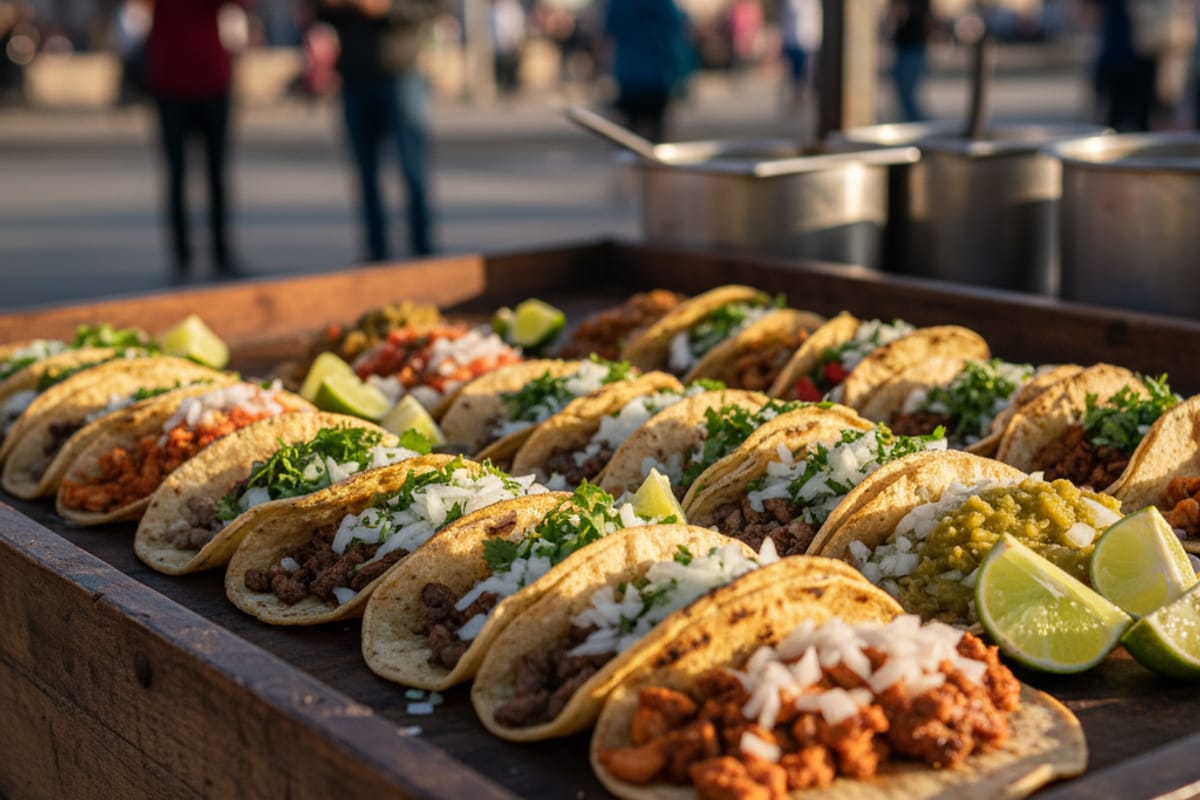 The best tacos in Phoenix aren't in restaurants — they're in parking lots and converted houses.
Why Trust This Guide
Recommendations from locals across 240+ US cities via Recommended.app community data.
Explore More
This guide is part of our Phoenix collection. Explore more guides for Phoenix →
Phoenix has 523 verified businesses on Recommended.app across 93 categories, with an average rating of 4.6 out of 5.
Hidden Gems Weekly
3 hidden gems, 2 local quotes, 1 home hack — every Monday. Free forever.
Unsubscribe anytime. No spam.
More from City Guides
 Travel Tips
Phoenix on a Budget: How to Enjoy the Desert Without Overspending
 Travel Guide
The Perfect Phoenix Weekend: 48 Hours of Desert, Food & Culture
 City Guide
We Asked Phoenix Locals Where They Actually Eat — Here's What They Said
 City Guide
First Time in Phoenix? Locals Wish You Knew These 12 Things
 Home Services
Water Damage Restoration Near Me: What to Do in the First 24 Hours (2026 Guide)
 Food & Dining