
Best Handyman Near Me — 2026 Guide & Top Pros Across 219 U.S. Cities
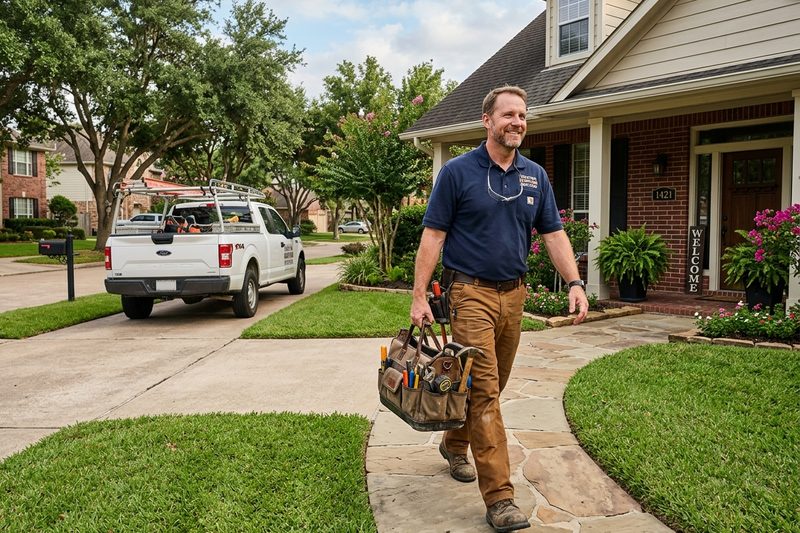
The handyman category exists because none of the licensed trades wants the small jobs. Hanging a TV, assembling a desk, patching a hole, installing a curtain rod, fixing a sticky door — none of it is regulated, none of it needs a permit, and most plumbers and electricians won''t show up for it. The 219 U.S. cities on Recommended.app include both solo handymen who handle the full small-job spectrum and larger services that send out a different worker for each job type. Hourly rates run $55 to $135 with a one-hour minimum, though most jobs land in the 1–3 hour range. The trip charge surprises some first-time customers: many handymen charge $30 to $75 just to show up before the hour clock starts, and the trip fee is non-negotiable on small jobs. Bundling jobs is the cleanest win — book three or four tasks at once and the trip charge spreads across all of them. Handymen are unlicensed in most states, which means they''re legally limited in what they can do; anything involving the panel, gas lines, or structural work needs a licensed trade by law, regardless of how confident the handyman sounds. Most know their lane; some don''t.
Top Handyman Pros
The Alpine Handyman
Scottsdale, AZ
UpKeepers
Scottsdale, AZ
Sunbuilt Handyman
Scottsdale, AZ
Tempe Handyman Pro
Tempe, AZ
AA-Ron Repair
Tempe, AZ
Mike's Handyman Service
Tempe, AZ
JP Handyman
Torrance, CA
iNail South Bay Handyman & Home Services
Torrance, CA
Carter Services
Torrance, CA
Priced Right Handyman
Round Rock, TX
Parra Handyman Services LLC
Round Rock, TX
G & M Handyman Services
Lancaster, CA
Handyman Randy
Lancaster, CA
Ironwood Specialties LLC
Salem, OR
Handyman State LLC
Salem, OR
Iron Clad Oregon
Salem, OR
Torres Handyman Services
San Jose, CA
CH Home Repairs LLC
San Jose, CA
EL DORADO HANDYMAN
San Jose, CA
Perfection Handyman Services LLC
Mesa, AZ
Mike's Handyman Service
Mesa, AZ
High Quality Home Services
Mesa, AZ
Armando's Handyman Service
Santa Clarita, CA
Handymanish
Santa Clarita, CA
CrackJack Handyman
Santa Clarita, CA
Capital City Handyman
St. Paul, MN
St. Paul Handyman
St. Paul, MN
Neighborhood Handyman LLC
St. Paul, MN
North Fort Lauderdale Handyman
Fort Lauderdale, FL
TJ Handy
Fort Lauderdale, FL
BIVER Repair Co.
Fort Lauderdale, FL
Problem Solved Handyman Services
Thornton, CO
Trailside Handyman, Carpentry and Wood Working
Thornton, CO
Hometown Helpers
Thornton, CO
Handyman Connection of McKinney and Frisco
McKinney, TX
The Little Handyman
McKinney, TX
Find Handyman Pros by City
- Handyman in Akron, OH(32 pros)
- Handyman in San Diego, CA(28 pros)
- Handyman in New York, NY(27 pros)
- Handyman in Chicago, IL(26 pros)
- Handyman in Atlanta, GA(25 pros)
- Handyman in Houston, TX(22 pros)
- Handyman in Portland, OR(21 pros)
- Handyman in Washington DC, DC(21 pros)
- Handyman in Austin, TX(20 pros)
- Handyman in Dallas, TX(20 pros)
- Handyman in Charlotte, NC(20 pros)
- Handyman in Rochester, NY(19 pros)
- Handyman in Los Angeles, CA(18 pros)
- Handyman in Nashville, TN(18 pros)
- Handyman in St. Augustine, FL(17 pros)
- Handyman in Cincinnati, OH(17 pros)
- Handyman in New Haven, CT(15 pros)
- Handyman in Milwaukee, WI(15 pros)
- Handyman in Seattle, WA(14 pros)
- Handyman in Denver, CO(14 pros)
What to Look For
Confirm general liability insurance (most carry $1M GL even though they're unlicensed in their state). Ask up front about the trip charge and hourly minimum. Bundle 3–4 jobs to spread the trip fee. For jobs near the edge of what a handyman can do (e.g., adding an outlet on a known circuit), ask whether a permit is required in your city before booking — if yes, hire a licensed electrician instead and accept the higher rate.
Average Cost
$55 – $2,200
per hour
Pricing varies by city, scope, and provider. See city-specific cost guides below.
Frequently Asked Questions
What does a handyman charge per hour?
$55–$135 per labor hour in most U.S. metros, with a one-hour minimum. Many handymen also charge a trip fee of $30–$75 on top of the hourly rate. For very small jobs (under 30 minutes) a flat call-out fee of $75–$150 is common.
What jobs is a handyman allowed to do?
Cosmetic and non-structural repairs across all trades: drywall patching, painting, fixture swaps, furniture assembly, mounting, weatherstripping, window-screen replacement, door adjustments, faucet replacements, ceiling fan installs (existing junction box). They are not licensed to do panel work, gas-line work, structural alterations, or anything requiring a permit in your jurisdiction.
Should I tip a handyman?
Optional but appreciated. $10–$30 on a half-day job, $50 on a full day, or rounding up the bill to the nearest $50 are all common. For a solo operator on a recurring basis (like quarterly maintenance), a holiday tip is more impactful than per-visit tipping.
Do I need to provide materials?
It depends on the handyman. Some bring everything (and mark up materials 20–40%), some only labor (you provide the curtain rod, the paint, the screws). Confirm before they arrive — being on-site with nothing to install wastes a $75 trip fee. A good middle ground: they bring consumables (screws, anchors, drywall mud) and you supply the big items.
Is a licensed contractor better than a handyman?
For jobs in their lane, no — a handyman is faster and cheaper because they aren''t carrying overhead for permits, insurance scope, and bonded employees. For jobs requiring permits (electrical panel, gas line, structural, plumbing rough-ins) you need a licensed trade by law; a handyman doing those is exposing you to insurance and resale liability.