
Last updated March 16, 2026 by the Recommended.app research team.
Saturday Morning: Saguaro National Park West
Start your Tucson weekend the way every great desert trip should start — surrounded by the tallest cacti on the planet, watching the morning sun turn the Sonoran Desert gold. Saguaro National Park West (Tucson Mountain District) is about 20 minutes from most Tucson hotels, and you want to be at the gate when it opens, especially in warmer months. The desert is at its most beautiful — and most bearable — in the early morning light.
Drive the Bajada Loop, a six-mile scenic road that winds through one of the densest saguaro forests in the world. These cacti are everywhere — clustered on hillsides, silhouetted on ridgelines, standing alone in washes like sentinels. Pull over at the Valley View Overlook Trail for a short walk (half a mile round trip) that gives you a panoramic view of the Avra Valley below, with saguaros stretching to the horizon in every direction.
If you want a real hike, the King Canyon Trail is a moderate 3.5-mile out-and-back that climbs through a desert wash into the Tucson Mountains. The trail passes through thick saguaro forest with views back toward the city, and the higher you climb, the more expansive the vista becomes. Bring at least two liters of water per person, wear a hat, and start early — by mid-morning in summer, the temperature is already punishing.
After King Canyon, stop at the Red Hills Visitor Center near the park entrance. The rangers here are some of the most knowledgeable and passionate you'll meet in the national park system, and the short film about the Sonoran Desert's ecology is worth 20 minutes of your time. The small bookshop sells excellent field guides to desert plants and animals that'll help you identify what you're seeing for the rest of the weekend.
Park admission is $25 per vehicle and is valid for seven days at both the east and west districts. If you have a National Parks pass, entry is free. The visitor center has clean restrooms — use them, because facilities on the trails are nonexistent. Pack out everything you bring in, stay on marked trails (the cryptobiotic soil crust is fragile and takes decades to recover from a single footprint), and keep a respectful distance from wildlife. Gila monsters, rattlesnakes, and coyotes are all present in the park, and they were here first.
Pro tip: The Signal Hill Petroglyphs trail (half a mile round trip) is an easy detour on the Bajada Loop and shouldn't be missed. Ancient Hohokam petroglyphs carved into volcanic rock — spirals, human figures, and animal shapes that are roughly 800 years old. Free with park admission.
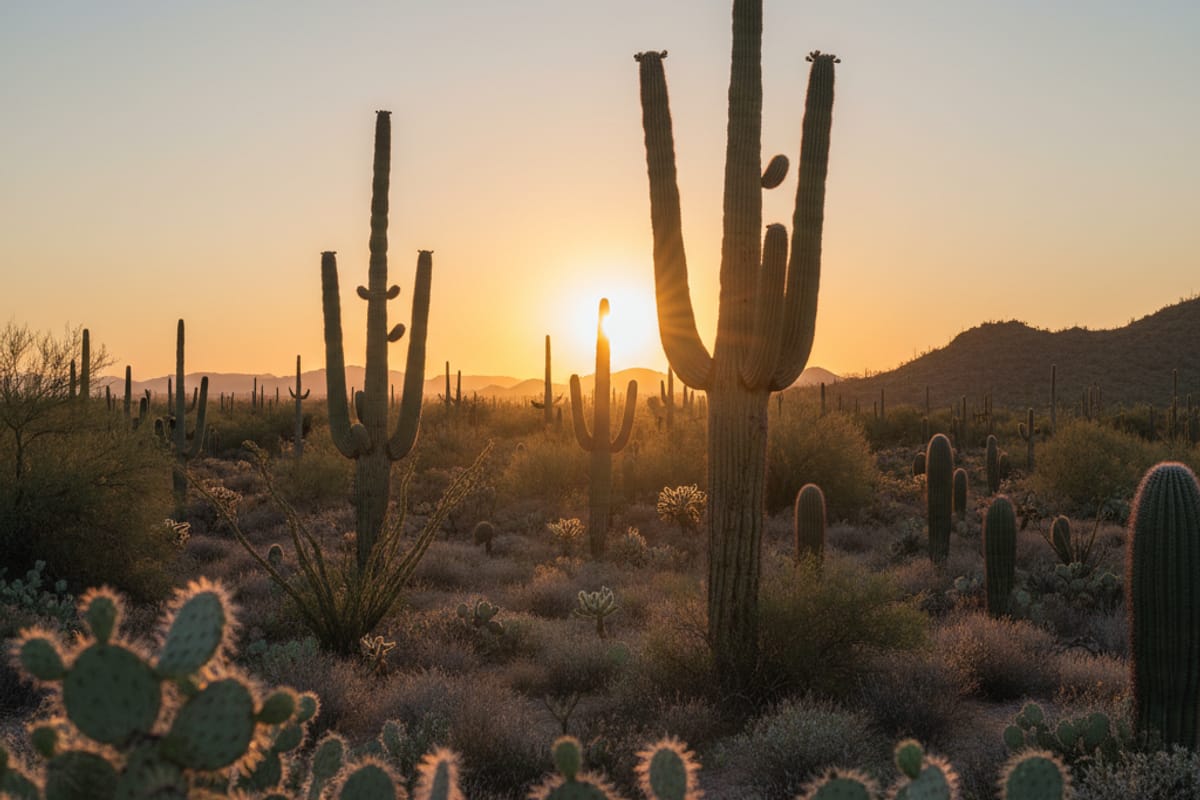 Saguaro National Park West — start your Tucson weekend here.
Saturday Afternoon: Downtown Tucson & 4th Avenue
After the park, head back to town for lunch and an afternoon exploring the cultural heart of Tucson. Start with a Sonoran hot dog at El Guero Canelo on South 12th Avenue — you need this experience, and the sooner in your trip you have it, the sooner you can start planning your second visit. Two bacon-wrapped hot dogs with all the fixings, a drink, and possibly a side of carne asada tacos will cost about twelve dollars and will be one of the most memorable meals of your weekend.
From there, drive or streetcar to downtown and 4th Avenue. The Sun Link streetcar is free and connects the University of Arizona, 4th Avenue, and downtown Congress Street — it's the easiest way to navigate the central corridor without dealing with parking.
On 4th Avenue, browse the independent shops that give this street its character. Antigone Books is a beloved independent bookstore with a curated selection of fiction, nonfiction, and regional titles. Pop Cycle sells handmade art and gifts from Tucson artists. The vintage clothing shops — Tucson Thrift Shop, Desert Vintage, How Sweet It Was — are genuine thrift stores with real finds, not overpriced vintage boutiques.
Walk south from 4th Avenue into the Barrio Viejo neighborhood. The colorful adobe houses, painted walls, murals, and garden gates draped in bougainvillea are some of the most photogenic streets in Arizona. El Tiradito, the Wishing Shrine on South Main Avenue, has been drawing visitors since the 1870s — light a candle and make a wish. The neighborhood is quiet, residential, and best experienced on foot at a slow pace.
Continue to the Tucson Museum of Art on the Alameda block downtown. The museum is housed in a complex of historic adobe buildings — some dating to the 1860s — and the permanent collection focuses on art of the American West and Latin America. The museum's courtyard and gardens are a peaceful escape from the heat, and admission is reasonable at around $12 for adults. Allow about 90 minutes.
For afternoon coffee or a cold drink, stop at Exo Roast Co. on East Congress Street. The iced coffee is excellent, the pastries are baked fresh, and the converted warehouse space has exactly the kind of creative, slightly industrial atmosphere that downtown Tucson does well. If you prefer beer, Borderlands Brewing Company on East Toole Avenue pours excellent craft beer in a tap room that feels like a neighborhood living room.
Pro tip: The Sun Link streetcar runs every 10 to 15 minutes and is free to ride. It connects the University of Arizona campus to 4th Avenue to downtown Congress Street — a route that covers most of Tucson's best walking neighborhoods.
Saturday Evening: Dinner, Drinks & Desert Night
Saturday evening in Tucson is about eating well and easing into the desert night. You have options ranging from legendary Mexican restaurants to chef-driven contemporary dining — all at prices that would be unthinkable in Phoenix or Scottsdale.
Option 1 — the classic choice: Mi Nidito on South 4th Avenue. This Tucson institution has been serving since 1952, and the Presidents Plate (named after Bill Clinton's visit) gives you a sampler of the kitchen's best work — chile relleno, birria, taco, bean tostada, and enchilada on one plate. The wait can be 30 to 45 minutes on a Saturday, but the bar area is pleasant and the anticipation makes the food taste better. Budget about $15 to $20 per person for dinner.
Option 2 — the modern choice: Café Poca Cosa on East Pennington Street. Chef Suzana Davila changes the menu twice daily, and the server brings a chalkboard to your table with the current offerings. The contemporary Mexican food here — complex moles, chile-braised meats, seasonal salsas — is some of the best in the country. Dinner runs $30 to $40 per person and is worth every cent. Reservations recommended.
Option 3 — the adventurous choice: Head to the South Side and eat where the taqueria trail leads. Tacos Apson for mesquite-grilled carne asada tacos (two tacos for five dollars), followed by a walk to the nearest panadería for fresh pastries. This is the least expensive option and arguably the most authentically Tucson experience of the three.
After dinner, walk to Hotel Congress on East Congress Street. This 1919 hotel — famous as the site of John Dillinger's capture — has a lobby bar, a rooftop terrace called The Roof, and Club Congress downstairs, which hosts live music almost every night. The genre changes nightly — indie rock, cumbia, country, DJ sets — and the crowd is a mix of university students, artists, locals, and visitors. Cover charges are typically $5 to $15.
If live music isn't your speed, walk to Tough Luck Club on East Congress, a cocktail bar with a prohibition-era vibe, excellent drinks, and a doorway that's easy to walk past if you don't know it's there. The bartenders are skilled and happy to make something off-menu based on your preferences.
Before you head back to your hotel, step outside and look up. Tucson's dark sky ordinances mean that even downtown, you'll see more stars than you would in most American cities. If you drove, take a short detour to Gates Pass in the Tucson Mountains for a view of the city lights below and the Milky Way above — it's one of the best free experiences in southern Arizona.
Pro tip: Gates Pass is about 15 minutes from downtown and has a pull-off viewpoint that's perfect for sunset or stargazing. The road is narrow and winding — take it slow, especially after dark. No facilities, so use the restroom before you go.
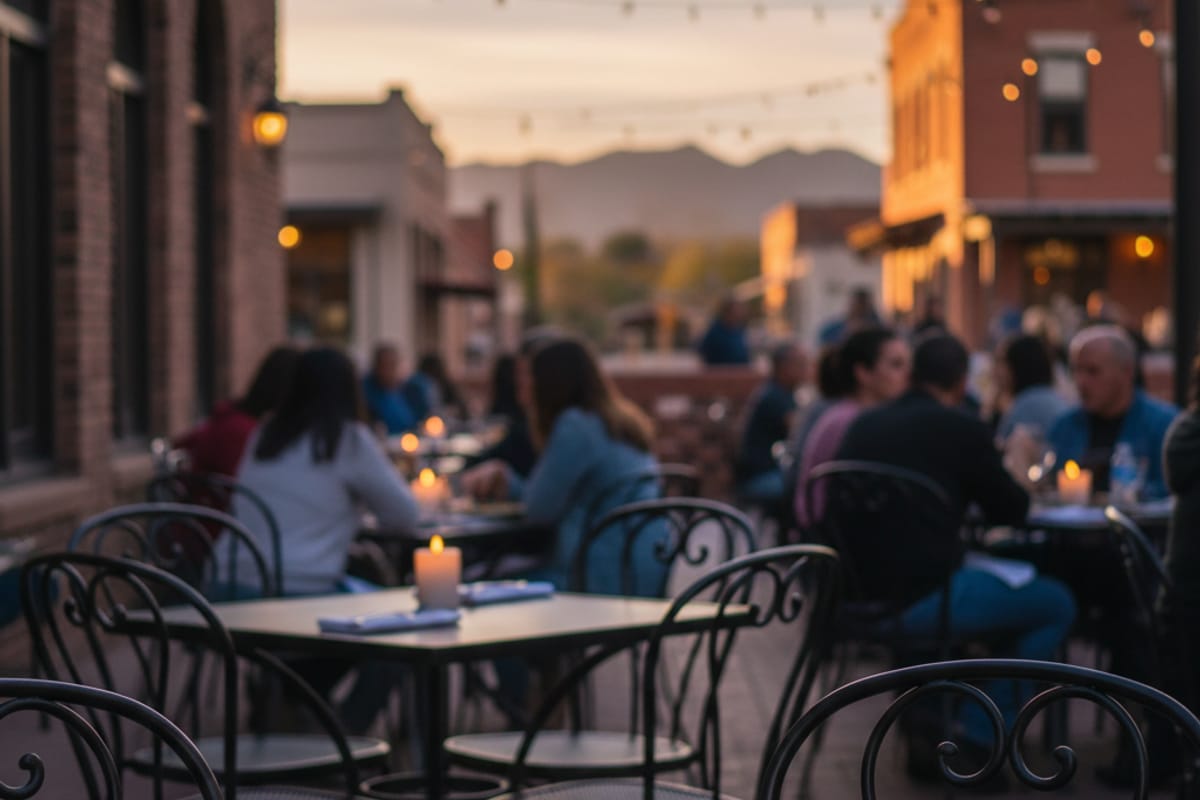 Saturday night in Tucson — excellent food, live music, and dark desert skies.
Sunday Morning: Arizona-Sonora Desert Museum
Sunday morning belongs to the Arizona-Sonora Desert Museum, and this is not optional. It's the single best attraction in Tucson — a combination zoo, botanical garden, natural history museum, and aquarium spread across 98 acres of living Sonoran Desert. It consistently ranks among the top museums in the United States, and people fly to Tucson specifically for this place.
Get there when they open — 7:30 AM in summer, 8:30 AM from October through February. The animals are most active in the early morning, the temperatures are manageable, and the light on the desert landscape is at its most beautiful. Budget three to four hours minimum.
The hummingbird aviary is the experience everyone remembers. You walk into an enclosed garden and hummingbirds zip past your face close enough to feel the air from their wings. They hover at feeders inches from your nose, iridescent green and ruby-throated, moving so fast they blur. It's genuinely magical, even if you think you don't care about birds.
The raptor free-flight show happens twice daily and is included with admission. Trained hawks, great horned owls, and Harris's hawks soar over the audience against a backdrop of real mountains. The falconers explain the birds' hunting behaviors and ecology while the raptors demonstrate them in real time. It's one of the best live animal presentations in any zoo or museum in the country.
The reptile exhibits are world-class. Gila monsters — the only venomous lizards native to the U.S. — sit in naturalistic enclosures looking deceptively sluggish. Rattlesnakes coil behind glass in habitats that replicate the rocky slopes outside. The invertebrate room has tarantulas, scorpions, and vinegaroons — the kind of animals you hope not to encounter on the trail but are fascinating behind glass.
The botanical gardens weave through the entire property, and docents stationed throughout can identify any plant you point at. The prickly pear garden, the agave collection, and the cactus loop trail are highlights. The gift shop is one of the best museum shops in Arizona — field guides, artwork, pottery, and Sonoran-themed gifts that are actually worth buying.
Admission is about $25 for adults. The on-site Ironwood Terraces restaurant serves decent food with mountain views — the prickly pear lemonade is mandatory. If you'd rather eat off-site, Seis Kitchen at Mercado San Agustin is 15 minutes away and makes an excellent post-museum lunch.
Pro tip: Wear comfortable shoes — you'll walk two to three miles through the grounds even without doing any extra hiking. Sunscreen and a hat are essential. The museum is entirely outdoors, so plan around the weather. Spring (March to May) and fall (October to November) are the ideal seasons.
Sunday Afternoon: Mount Lemmon Sky Island Drive
After the Desert Museum, point your car toward the Catalina Highway on Tucson's northeast side and drive up Mount Lemmon. This is the experience that makes first-time visitors fall in love with Tucson — in one hour, you'll drive from saguaro-studded desert at 2,500 feet to pine forests at 9,157 feet, passing through five distinct biomes along the way. It's the ecological equivalent of driving from Mexico to Canada, compressed into 27 miles of winding mountain road.
The road itself is the attraction. Pull over at Windy Point Vista (about halfway up) for panoramic views of the entire Tucson basin — on a clear day, you can see over 100 miles in every direction. The rock formations here are massive granite monoliths that rock climbers travel from around the world to scale. Even from the roadside viewpoint, the geology is stunning.
As you climb, watch the landscape transform. Saguaros give way to grasslands, which give way to oak woodlands, which give way to pine forests. The temperature drops roughly 25 to 30 degrees between the base and the summit. If it's 100 degrees in Tucson, it might be 72 degrees at the top, with actual cool breezes and the smell of pine needles. Tucsonans don't just visit Mount Lemmon — they depend on it. This mountain is the city's pressure valve, the place everyone goes when the summer heat becomes too much.
At the summit, the small village of Summerhaven has a handful of restaurants and shops. The Cookie Cabin bakes enormous cookies, pies, and fudge — the lines on weekends tell you everything about the quality. The Iron Door Restaurant has been serving steaks and burgers at 8,000 feet since 1913, and the deck views are extraordinary. Grab lunch or a snack here and enjoy the mountain air before heading back down.
If you want a short hike at the top, the Meadow Trail loop (about 1 mile) near Summerhaven is flat, easy, and wanders through a meadow surrounded by ponderosa pines. It feels like Colorado, not Arizona, and that contrast is exactly the point. For something more challenging, the Marshall Gulch Trail descends through a shaded canyon with a seasonal creek — it's one of the most beautiful short hikes in southern Arizona.
The drive back down takes about 45 minutes to an hour (slower than the drive up because of the winding descent and the brake-heavy driving). The $5 daily recreation pass is required for vehicles stopping along the highway. The road occasionally closes during winter storms — check conditions at the Pima County Sheriff's office website or call the road closure hotline before you go between November and March.
Pro tip: Fill your gas tank before driving up — there are no gas stations on Mount Lemmon. The road has guardrails in most places but is narrow and winding. Drive carefully, use pullouts to let faster traffic pass, and keep your headlights on even during the day for visibility on curves.
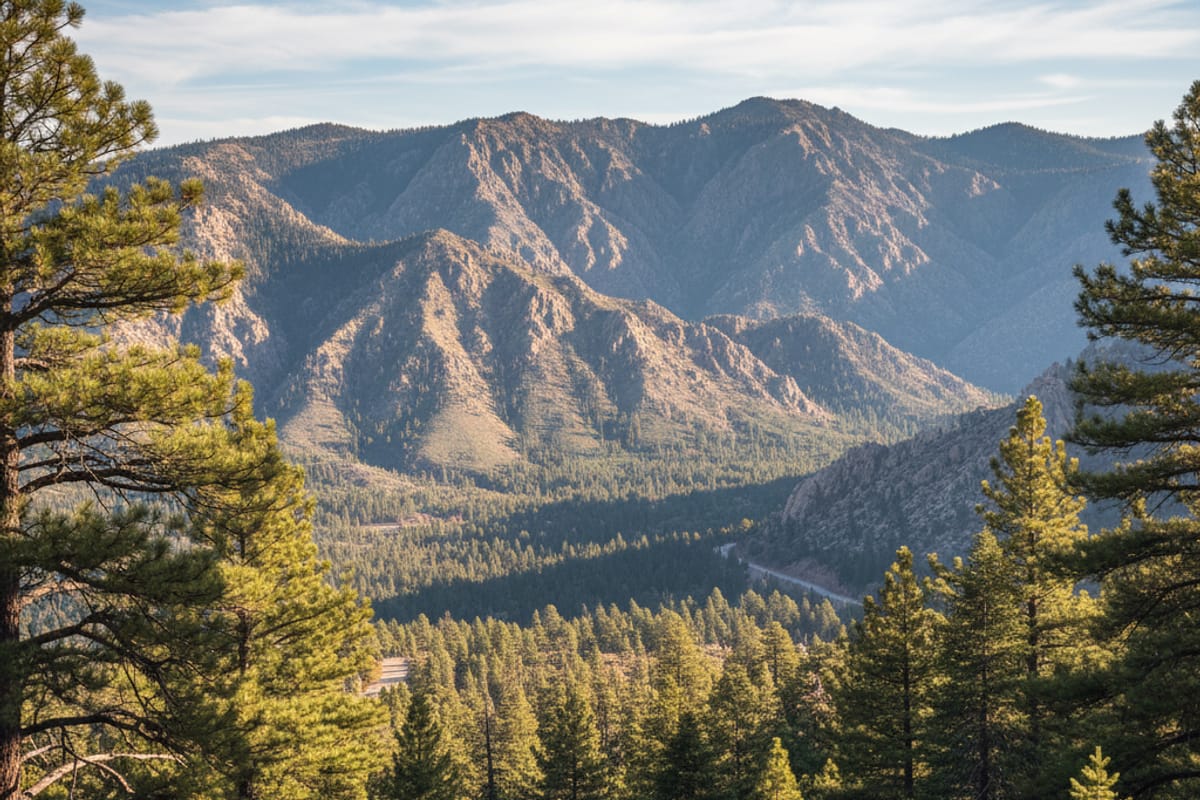 Mount Lemmon — from desert floor to pine forest summit in one hour.
Budget Breakdown: What This Weekend Actually Costs
One of the best things about a Tucson weekend is that it's genuinely affordable. This isn't a destination where you need to spend $200 a night and $50 per meal to have a great experience. Here's what a realistic weekend looks like for one person.
Hotel: Two nights at a solid mid-range hotel or boutique property runs $140 to $260 total (about $70 to $130 per night). In summer (June through August), rates drop dramatically — you might find excellent hotels for $50 to $80 per night. Downtown properties like Hotel Congress ($100 to $160 per night) put you within walking distance of restaurants and nightlife and have real character.
Food: Saturday Sonoran hot dogs at El Guero Canelo — $10 to $12 for a full meal. Saturday dinner at Mi Nidito — $15 to $20. Sunday post-museum lunch at Seis Kitchen — $12 to $15. Summit snack at Cookie Cabin — $5 to $8. Coffee and breakfast — $8 to $12 per morning. Other snacks and drinks — $10 to $15 per day. Total food budget: $70 to $100 for the weekend. You can eat extraordinarily well in Tucson for very little money because the best food here isn't at expensive restaurants — it's at taquerias and food stands.
Activities: Saguaro National Park — $25 per vehicle (split with travel companions). Arizona-Sonora Desert Museum — $25 per person. Mount Lemmon recreation pass — $5. Streetcar — free. Barrio Viejo walking — free. 4th Avenue walking — free. Tucson Museum of Art — $12. Hotel Congress live music — $5 to $15 cover. Total activities: $72 to $82 per person.
Transportation: Rental car from TUS airport — $35 to $50 per day ($70 to $100 for the weekend). Gas for Saguaro NP, Desert Museum, and Mount Lemmon — about $20 to $30. Uber/Lyft for downtown evening — $8 to $15 each way. Total transportation: $100 to $145.
Realistic total for a two-night weekend: $380 to $590 per person. In summer with budget choices: $280 to $400 per person. Compare that to a Scottsdale weekend ($700 to $1,200), a Sedona weekend ($600 to $1,000), or a San Diego weekend ($600 to $900). Tucson delivers an experience that's more authentic, more culturally rich, and more memorable than any of those destinations, at roughly half the price.
The savings aren't because Tucson is inferior — it's because the city hasn't been overrun by luxury tourism and resort pricing. The best food comes from family-run stands, the best attractions are public lands, and the culture is genuine rather than manufactured for visitors. That's the real magic of a Tucson weekend: you're not paying a premium for authenticity, because authenticity is all Tucson knows how to do.
Why Trust This Guide
Recommendations from locals across 240+ US cities via Recommended.app community data.
Explore More
This guide is part of our Tucson collection. Explore more guides for Tucson →
Tucson has 168 verified businesses on Recommended.app across 59 categories.
Hidden Gems Weekly
3 hidden gems, 2 local quotes, 1 home hack — every Monday. Free forever.
Unsubscribe anytime. No spam.
More from City Guides
 City Guide
Tucson's Hidden Gems: The Desert City Foodies and Stargazers Love
 Travel Tips
Tucson on a Budget: Desert Adventures That Won't Cost You a Dime
 City Guide
We Asked Tucson Locals Where They Actually Eat — Here's What They Said
 City Guide
First Time in Tucson? Locals Wish You Knew These 12 Things
 Home Services
Water Damage Restoration Near Me: What to Do in the First 24 Hours (2026 Guide)
 Food & Dining