
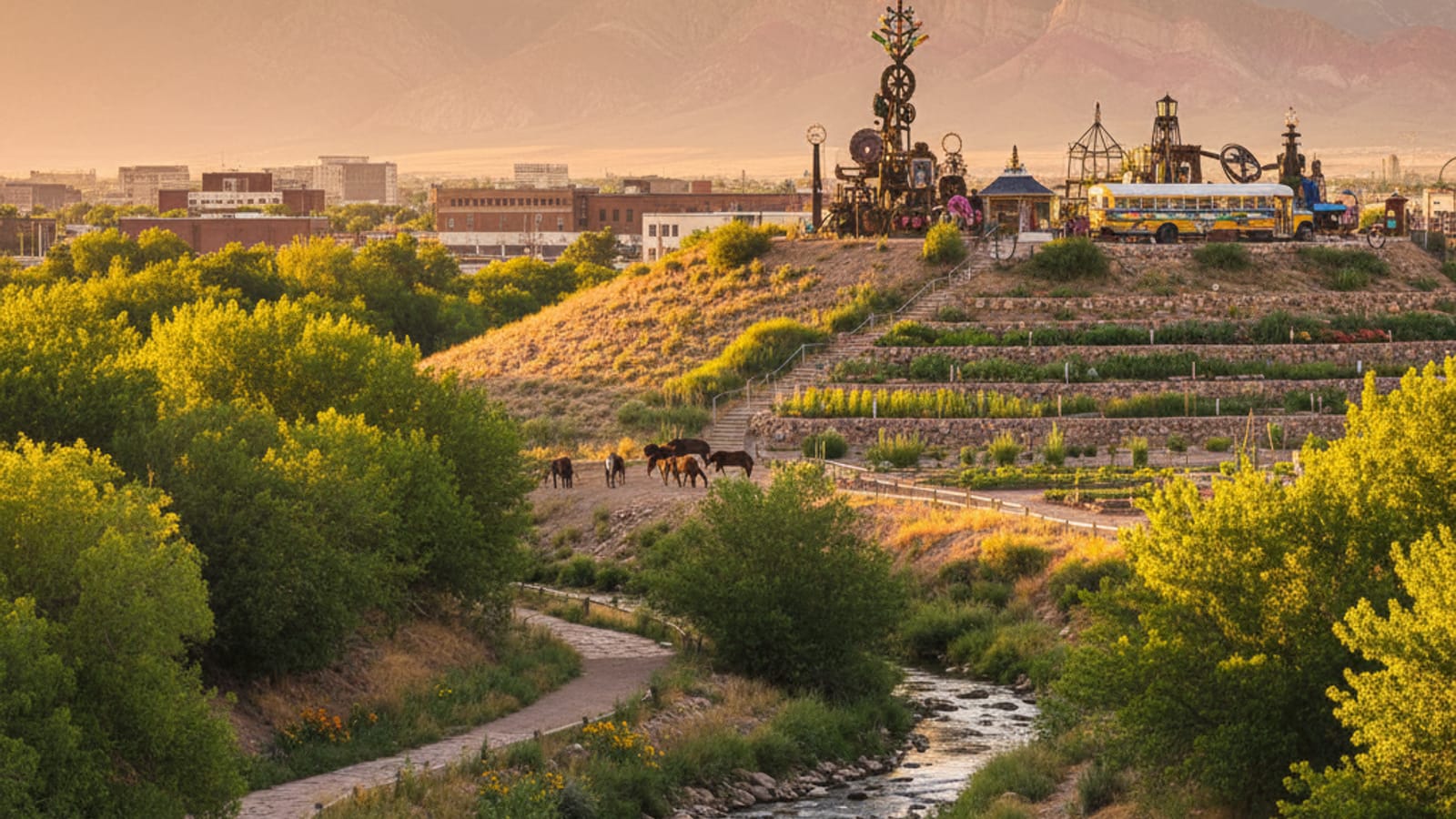
Last updated March 16, 2026 by the Recommended.app research team.
The Midtown Murals: An Outdoor Gallery Worth Exploring
Reno's Midtown district has quietly become one of the best open-air mural galleries in the American West, and most visitors walk right past them without realizing they're standing in the middle of something significant. The mural program started organically — building owners gave artists wall space, artists showed up with paint — and it's grown into a collection of over 100 large-scale works scattered across a roughly 15-block area.
The quality ranges from good to genuinely world-class. Joe C. Rock, a Reno-based artist, has pieces throughout Midtown that blend photorealistic portraiture with surreal elements — faces emerging from desert landscapes, eyes reflecting mountain scenes. Several murals came out of the annual Reno Mural Expo, which brings international artists to the city for a week-long painting festival.
The best murals cluster along South Virginia Street between Mt. Rose and Plumb Lane, but some of the most impressive work is on side streets and alleyways that you'd never find without wandering. The parking garage behind Junkee Clothing Exchange has a multi-story piece that changes depending on your viewing angle. The alley between two restaurants near Record Street has a collaborative mural that wraps around corners and continues onto dumpster enclosures.
What makes the Midtown murals special compared to, say, the Wynwood Walls in Miami or the murals in the Arts District in LA is that they're integrated into a real neighborhood. You're not walking through a curated tourist experience — you're walking through a place where people live and work, and the art is part of the texture of daily life. A barista at Hub Coffee might be able to tell you who painted the piece across the street because she watched him do it last summer.
The best time to photograph the murals is early morning or late afternoon, when the sunlight hits the walls at an angle and the colors pop. Bring your phone or camera and give yourself at least two hours to walk the full circuit. There's no official map that captures everything, which is honestly part of the charm — you discover them the way they were meant to be discovered, by wandering.
Pro tip: The mural scene changes constantly — pieces get painted over, new ones appear, walls get demolished. If you see something you love, photograph it. It might not be there next time. The area around Record Street and Cheney Street has the highest concentration of newer works.
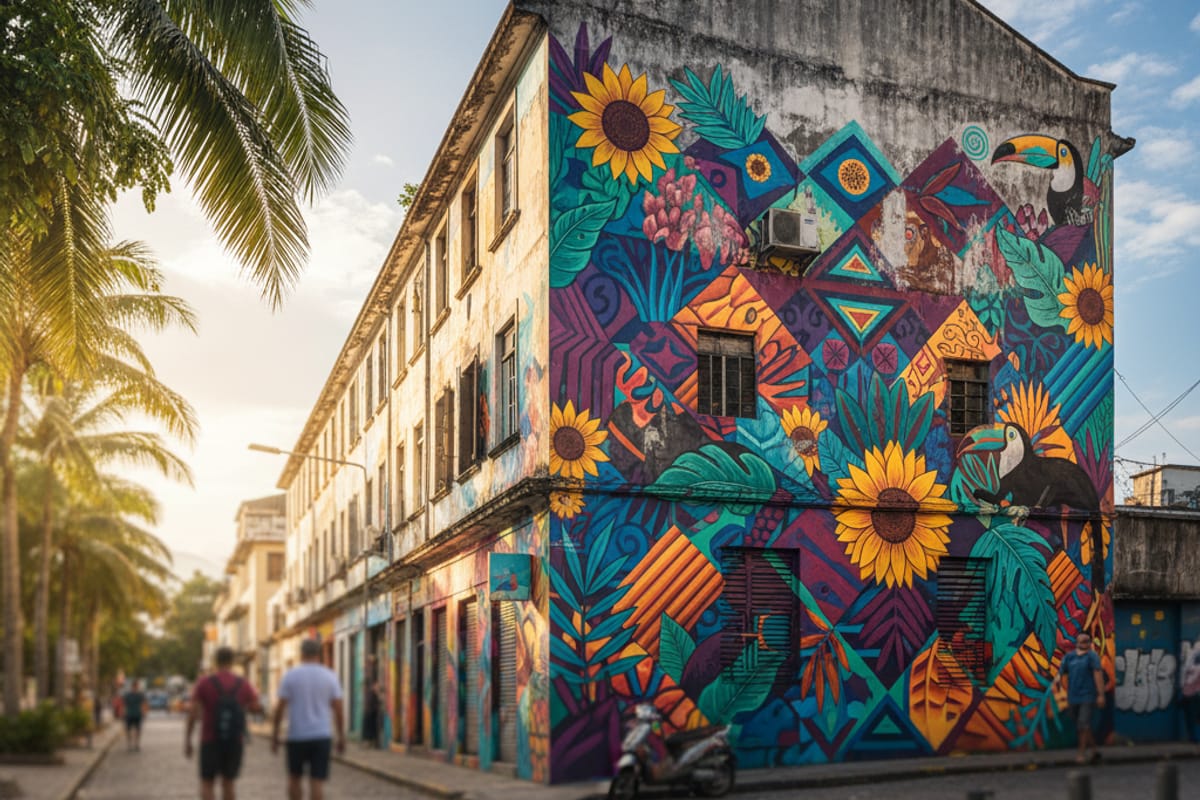 Over 100 murals are scattered across Midtown — most aren't on any map.
Natural Hot Springs Within an Hour of Downtown
Northern Nevada sits on a geothermal belt that produces dozens of natural hot springs, and several of the best are within easy driving distance of Reno. These aren't the developed, resort-style hot springs you find in Colorado — most are undeveloped pools in the desert where the only amenities are rocks to sit on and a sky full of stars.
Needles Hot Spring is about 90 minutes north of Reno near Pyramid Lake and is one of the most scenic soaks in Nevada. A series of rock-lined pools sit on a hillside overlooking the surreal desert landscape around Pyramid Lake, with water temperatures ranging from warm to legitimately hot depending on which pool you choose. There's no fee, no attendant, and no cell service — just you and the desert.
Closer to town, the Steamboat Hot Springs area south of Reno has both developed and undeveloped options. The developed David Walley's Hot Springs Resort in Genoa (about 45 minutes south) offers a more comfortable experience with maintained pools, changing rooms, and varying temperatures. It's a good option if you want the hot springs experience without the full wilderness commitment.
For the adventurous, there are several unnamed springs in the desert east and north of Reno that locals keep deliberately low-profile. Ask around at outdoor gear shops or the climbing gym and you might get coordinates — but don't expect anyone to post them on social media. The hot springs community in Northern Nevada is protective of their spots for good reason. Overcrowding ruins these fragile desert oases.
A few universal rules for desert hot springs: always check water temperature before getting in (some springs are hot enough to cause burns), bring your own water to drink, pack out everything you bring in, and go with a friend. Cell service is nonexistent at most locations. Let someone know where you're going and when you expect to be back.
The best time to visit is fall or spring, when the air temperature is cool enough that the hot water feels amazing but you won't freeze getting out. Winter soaks under a starry Nevada sky are magical but require preparation — the drive out can be icy and the air temperature can be well below freezing.
Pro tip: Bring a headlamp if you're soaking after dark. The drive back through the desert at night requires confidence on unpaved roads. A high-clearance vehicle is recommended for the more remote springs, though several are accessible by regular car on gravel roads.
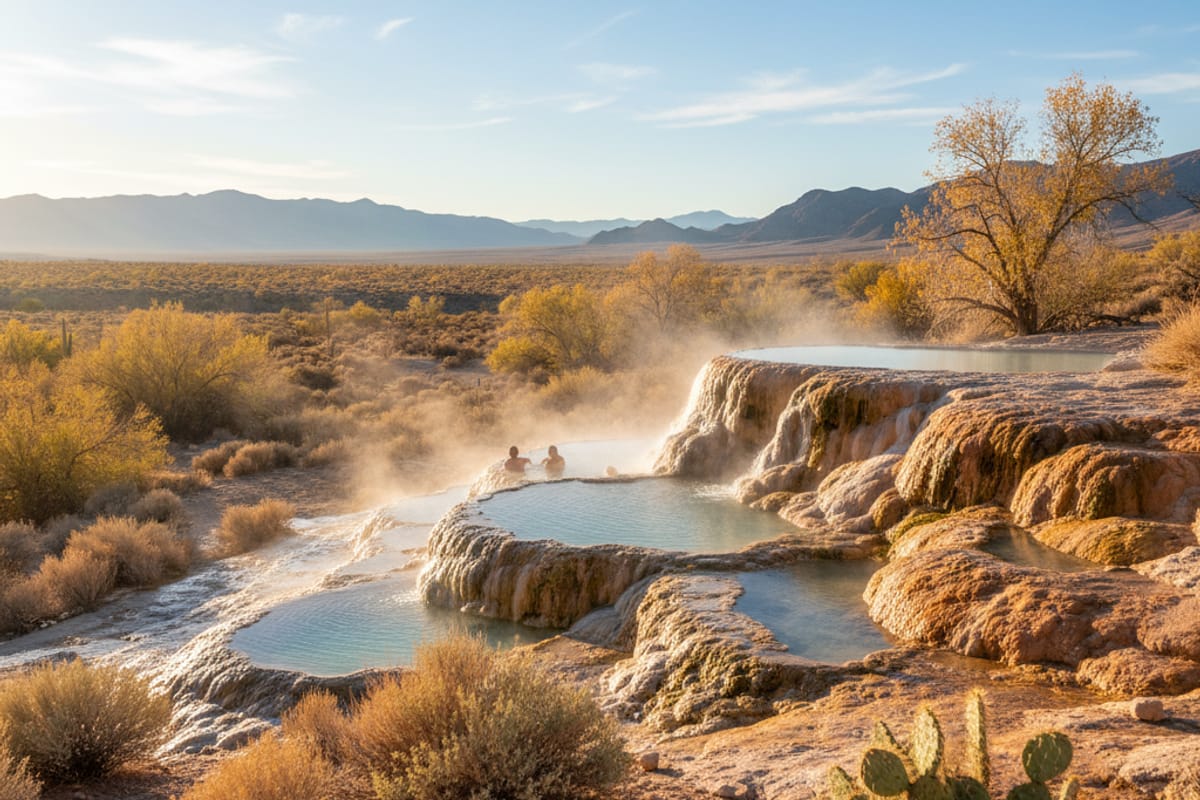 Northern Nevada's hot springs — no fee, no crowds, no cell service.
The Nevada Museum of Art: Genuinely World-Class
Most people don't associate Reno with fine art, which is exactly why the Nevada Museum of Art is such a pleasant surprise. The building itself, designed by Will Bruder, is a striking piece of architecture — a black-and-silver structure inspired by the geological formations of the Black Rock Desert, with angular walls that shift in appearance as the light changes throughout the day.
Inside, the permanent collection focuses on art inspired by the environment and landscape of the American West, but the rotating exhibitions range widely. The museum has hosted shows on everything from contemporary Indigenous art to the intersection of technology and nature. The photography collection is particularly strong, with significant works by Edward Weston, Ansel Adams, and contemporary photographers working in the Great Basin landscape.
The E.L. Wiegand Gallery on the top floor is the showpiece space — a soaring room with natural light that's been used for large-scale installations and immersive exhibitions. Recent years have seen increasingly ambitious programming, including partnerships with Burning Man artists and interactive installations that blur the line between museum and experience.
What makes the Nevada Museum of Art a hidden gem rather than a well-known destination is simply location bias. If this exact museum, with this exact collection and architecture, were in Brooklyn or Silver Lake, it would be packed. In Reno, you can walk through on a Saturday afternoon and have entire galleries to yourself.
The museum shop is worth a stop even if you don't go through the galleries — well-curated books on Western art and landscape photography, locally made jewelry, and prints that are actually worth hanging. The café has outdoor seating with views of the mountains and serves better food than most museum cafés manage.
Admission is $10 for adults, and free on the first Thursday of every month. The museum is open Wednesday through Sunday, and you should plan about 90 minutes to two hours for a full visit. It pairs well with a Midtown lunch afterward — the museum is about a 10-minute walk from the north end of the Midtown strip.
Pro tip: First Thursday free admission nights tend to be busy. For the best experience, go on a regular Wednesday or Thursday afternoon. The building faces west, so late afternoon light through the upper galleries is particularly beautiful. Ask the front desk about any artist talks or events happening during your visit — they're often free and lightly attended.
Truckee River Whitewater Park: Urban Kayaking at Its Best
Wingfield Park is a small island in the middle of the Truckee River, right in downtown Reno, and it's home to something most cities would kill for — a purpose-built whitewater park with engineered rapids, standing waves, and play features designed for kayakers, tubers, and general river recreation.
The whitewater park was created by reshaping the river channel through downtown, adding strategically placed boulders and drop structures that create consistent wave features at various water levels. During peak spring runoff (typically May and June), the waves are big enough for professional freestyle kayakers to train on, and the annual Reno River Festival draws competitors from around the world.
But you don't need to be a professional to enjoy it. The park has sections ranging from calm pools perfect for wading to class 2-3 features that challenge experienced paddlers. In summer, dozens of people float through on inner tubes, kids play in the shallows near the island, and kayakers practice rolls and surf the standing waves while downtown office workers eat lunch on the park benches above.
If you want to try it yourself, several outfitters in Reno offer kayak and paddleboard rentals with basic instruction. Sierra Adventures, based downtown, runs guided tubing trips that include the whitewater park section — they provide the gear, the shuttle, and enough instruction to keep you upright (mostly). Expect to get wet. That's the point.
The park is also a surprisingly good spectator experience. The amphitheater built into Wingfield Park overlooks the main wave feature, and during the River Festival or on busy summer weekends, you can sit with a beer from a nearby bar and watch kayakers throw tricks in the middle of downtown. It's one of those scenes that perfectly captures what makes Reno different from the city people imagine — outdoor recreation woven directly into the urban core.
Water levels vary significantly by season. Spring runoff (April through June) brings the highest flows and biggest waves. Summer (July through September) is warmer and calmer, better for casual floating. The river is generally too cold and low for recreation from November through March, though kayakers with drysuits push the season in both directions.
Pro tip: If you're tubing through the whitewater park, wear shoes you don't mind getting soaked — the river bottom is rocky in sections. Waterproof phone cases are essential. The shuttle from the takeout back to the put-in usually runs from Memorial Day through Labor Day, but check with Sierra Adventures for current schedules.
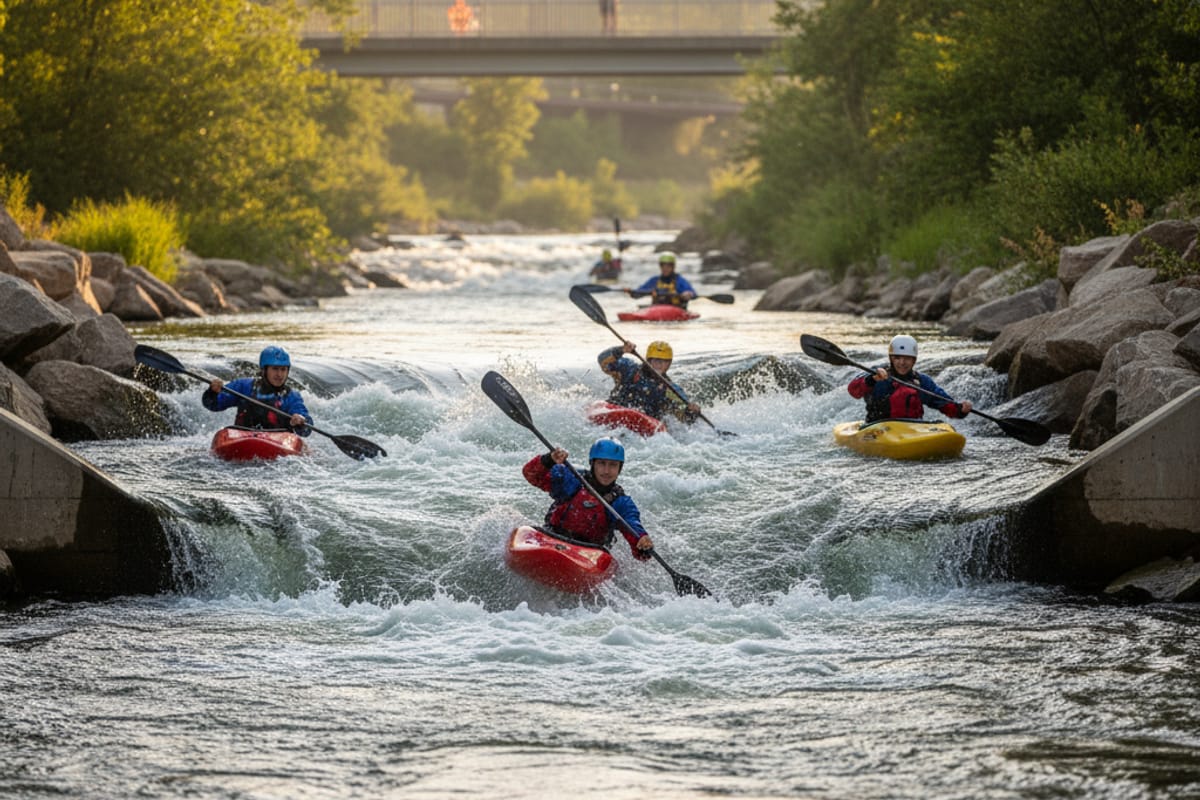 Professional-grade whitewater — right in the middle of downtown Reno.
Rancho San Rafael Regional Park: The Backyard You Didn't Know Reno Had
Rancho San Rafael is a 580-acre park on the north side of Reno that most visitors never discover because it doesn't show up on tourist itineraries. That's a shame, because it's one of the most pleasant urban parks in the West — a mix of open meadows, walking trails, a botanical garden, and views of the Sierra Nevada that feel like they belong in a magazine.
The Wilbur D. May Arboretum and Botanical Garden sits inside the park and is an absolute gem. It covers 13 acres and includes a desert garden, a songbird garden, a wetland area, and beautifully maintained walking paths that wind through collections of native and adapted plants. In spring, the wildflower displays are stunning. In fall, the changing aspens and maples create a color show that rivals anything in New England, just compressed into a smaller space.
The Great Basin Adventure area within the park is designed for families — a small petting zoo, a mining area where kids can pan for gold, and a log flume ride that's been delighting Reno children for generations. It's low-key and unpretentious in the best possible way.
But the real draw for adults is the open space. The park has miles of gentle walking and jogging trails that wind through sagebrush meadows with the mountains as a backdrop. On a clear morning, the views of Peavine Peak and the Sierra crest are extraordinary. Bring a blanket, find a spot in the meadow, and just sit. You'll see dog walkers, runners, families picnicking, and people flying kites — the full spectrum of a city enjoying its public space.
Rancho San Rafael also hosts the annual Artown festival in July, turning the park into an outdoor performance venue for music, theater, and dance. Many events are free, and the atmosphere — art in a park surrounded by mountains at sunset — is uniquely Reno.
The park is free to enter and open year-round. The arboretum charges a small fee ($5 for adults) but is worth every cent. Parking is plentiful and free. From downtown, it's a 10-minute drive or a 30-minute walk — close enough for a morning visit before you head to Midtown for lunch.
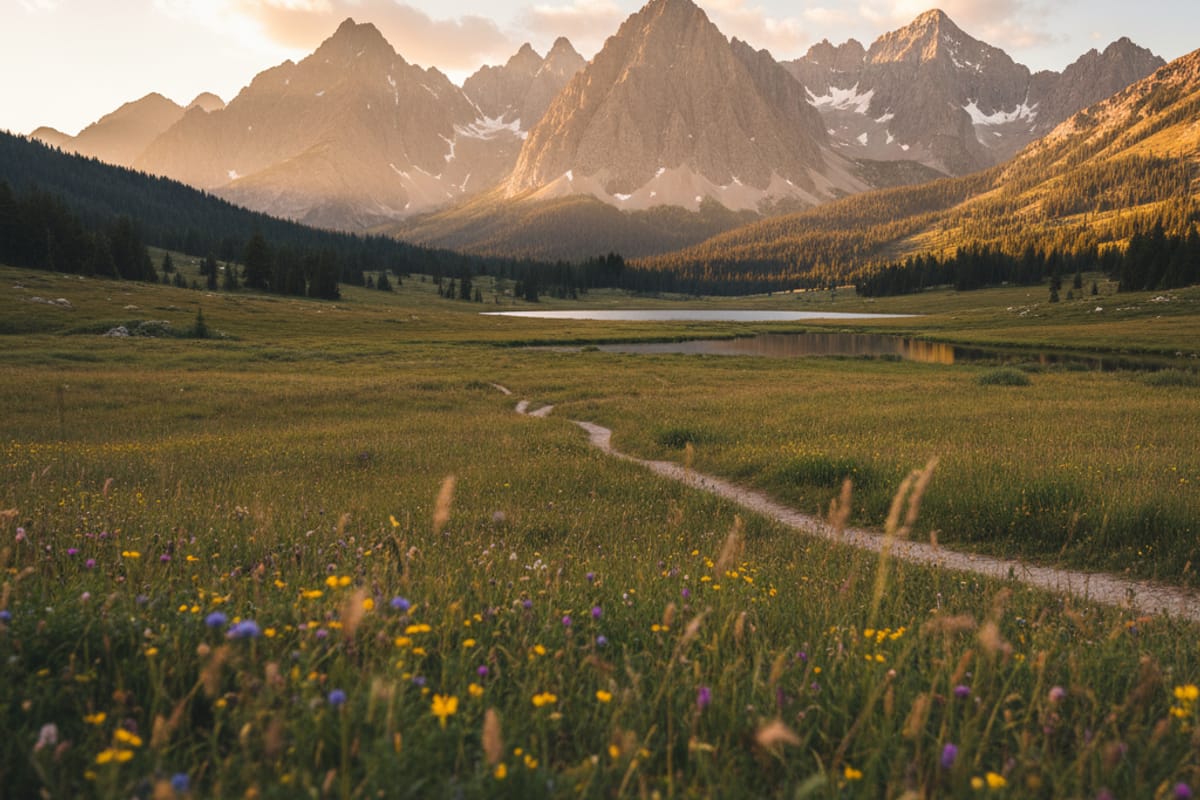 580 acres of meadows, gardens, and mountain views — free to visit.
Reno's Dive Bars: Where the Locals Actually Drink
Every city has its dive bars, but Reno's dive bar scene has a character all its own — a blend of old Nevada grit, college-town energy (UNR is right there), and the kind of unpretentious warmth that you can't manufacture. If you want to understand the real Reno, skip the casino bars and spend an evening in the dives.
The Chapel Tavern in Midtown is the gold standard — technically too nice to be a true dive, but it has the spirit. Creative cocktails, a beautiful bar, and a crowd that mixes Reno lifers with newcomers. It's where you start the evening before descending into the actual dives.
The 5 Star Saloon on Sierra Street has been around forever and makes zero effort to be anything other than what it is — a bar with cheap drinks, a pool table, and a jukebox that still plays CDs. The bartenders know every regular by name and will learn yours by your second visit. This is the Reno that existed before Midtown became cool, and it's not going anywhere.
The Wigwam on North Virginia Street is a living time capsule. Open 24 hours (this is Nevada, after all), it serves stiff drinks at prices that feel like a time warp. The interior hasn't been updated in decades, and that's a feature, not a bug. You'll sit next to retired miners, off-duty dealers from the casinos, and UNR students who discovered it through word of mouth.
Shea's Tavern is another local favorite — a Sparks institution that serves enormous burgers alongside cheap pitchers. It's the kind of place where the TV is always on, the bartender might also be the cook, and you'll leave with a full stomach and a lighter wallet than you expected (because you only spent $25 for an entire evening including food).
The unwritten rule of Reno dive bars: don't be loud about them on social media. These places survive because they serve their communities, not because they get featured on travel blogs. Visit them, enjoy them, tip well, and let them stay what they are. The regulars will appreciate it, and you'll have a better time for it.
One practical note: Nevada allows smoking in bars that don't serve food (or in designated areas of bars that do). If you're sensitive to smoke, ask before settling in. Many of the older dives are smoker-friendly, which is part of their character for better or worse. The Midtown bars tend to be smoke-free in their main areas.
Pro tip: Reno bars stay open late — Nevada has no mandated closing time, and many bars serve until 2 AM or later. The 24-hour spots are real 24-hour spots. If you find yourself hungry at 3 AM, the Awful Awful burger at the Nugget in Sparks is a Reno rite of passage — a massive, messy, perfect late-night burger that's been served since the 1950s.
Why Trust This Guide
Recommendations from locals across 240+ US cities via Recommended.app community data.
Explore More
This guide is part of our Reno collection. Explore more guides for Reno →
Reno has 153 verified businesses on Recommended.app across 65 categories.
Hidden Gems Weekly
3 hidden gems, 2 local quotes, 1 home hack — every Monday. Free forever.
Unsubscribe anytime. No spam.
More from City Guides
 Travel Guide
A Weekend in Reno: Tahoe, Beer & the Biggest Little City
 Travel Tips
Reno on a Budget: Casino Deals, Free Outdoor Adventures & Cheap Eats
 City Guide
We Asked Reno Locals Where They Actually Eat — Here's What They Said
 City Guide
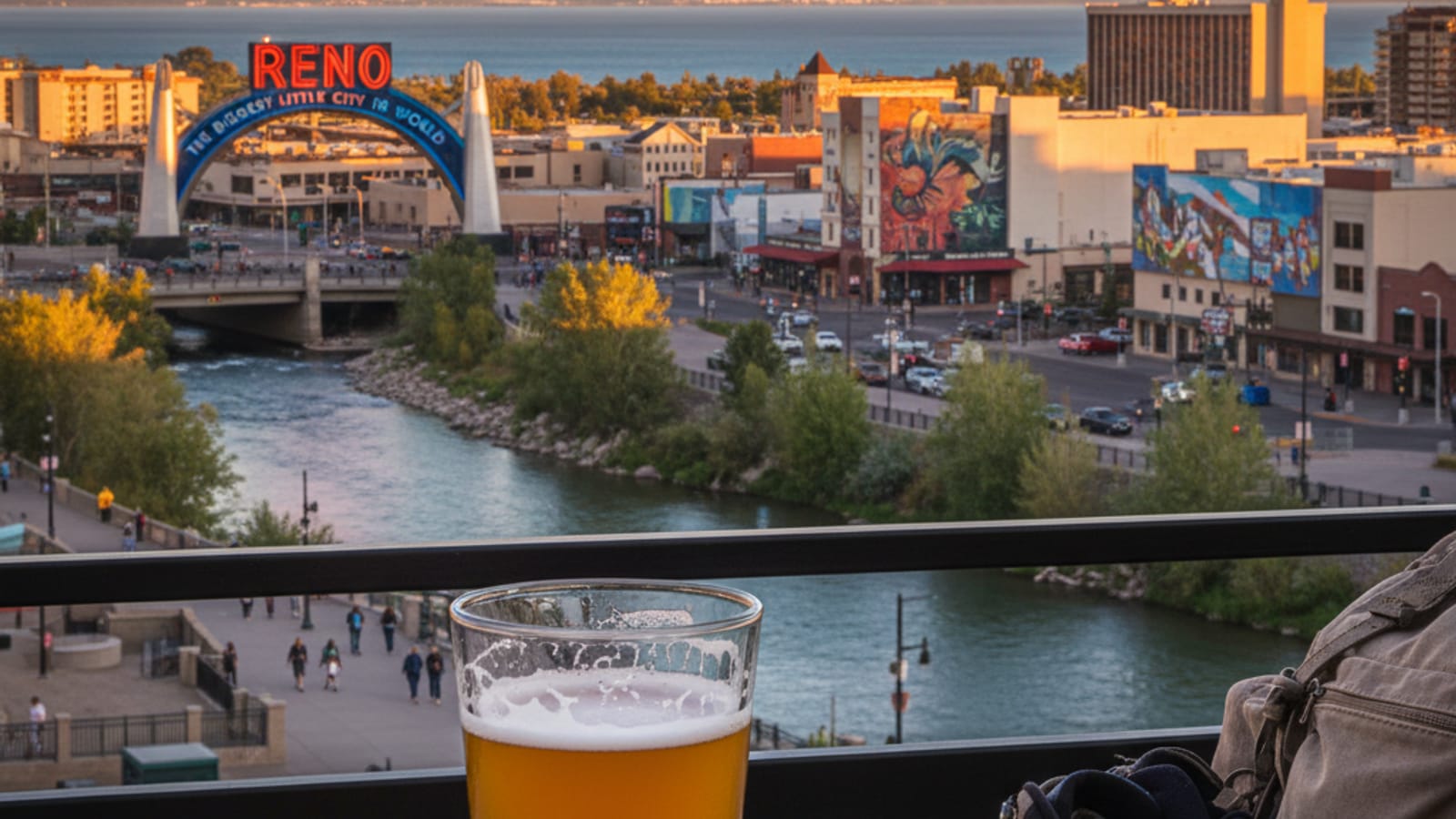
First Time in Reno? Locals Wish You Knew These 12 Things
 Home Services
Water Damage Restoration Near Me: What to Do in the First 24 Hours (2026 Guide)
 Food & Dining