
Last updated March 15, 2026 by the Recommended.app research team.
The Alamo: What to Actually Expect
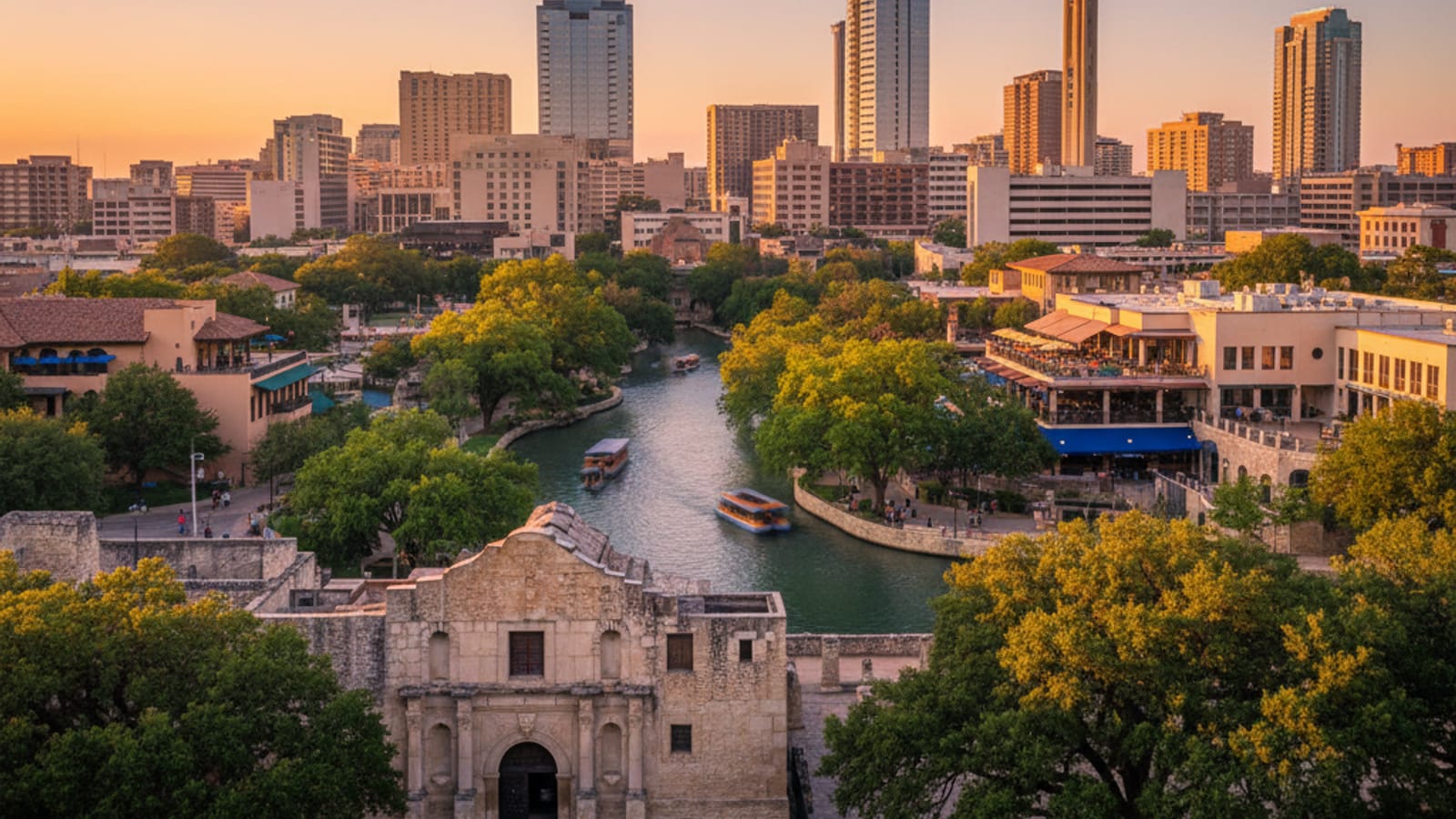
Here's the thing about the Alamo that catches almost every first-time visitor off guard — it's small. Like, really small. You're expecting this massive fortress in the middle of nowhere, and instead you find a modest stone chapel sitting right in the middle of downtown, surrounded by hotels, a Ripley's Believe It or Not, and a Starbucks. It feels almost surreal. But don't let the size fool you. Once you step inside and start absorbing the history of the 1836 battle where roughly 200 Texan defenders held out against thousands of Mexican soldiers, the weight of the place hits you.
The Alamo itself is completely free to visit, and it always has been. You can walk through the chapel and the Long Barrack in about 30 to 45 minutes. The new Alamo museum, which opened as part of a massive multi-year renovation project, offers a far more detailed and nuanced telling of the story than the old setup. It covers the perspectives of the Tejano defenders, the Mexican army, and the indigenous peoples who lived on the mission grounds centuries before the famous battle.
Plan to arrive early — by 9 AM if you can. By mid-morning, especially on weekends and during spring break, the line to enter the chapel can stretch 30 minutes or more. The grounds outside are open and pleasant for walking, with large live oak trees providing shade. Give yourself about 90 minutes total if you want to see the chapel, the museum exhibits, and the gardens. Don't rush it. People who spend 15 minutes here and say it was disappointing simply didn't give it a chance.
One more thing — there's no photography allowed inside the chapel. They're serious about this, and guards will ask you to put your phone away. The Long Barrack and exterior grounds are fair game for photos.
Pro tip: Visit the Alamo first thing in the morning, before 9:30 AM. The crowds are thin, the light is beautiful for photos of the exterior, and you'll have a much more reflective experience. Weekday mornings are the quietest.
 The Alamo sits right in the heart of downtown — smaller than you expect, but deeply powerful.
River Walk Strategy: How to Do It Like a Local
The San Antonio River Walk is the single most visited attraction in Texas, drawing more tourists per year than the Grand Canyon. It's a network of walkways along the San Antonio River, one level below the street, lined with restaurants, bars, shops, and hotels. And here's the honest truth — parts of it are absolutely magical, and parts of it are an overcrowded tourist gauntlet. Knowing which is which makes all the difference.
The main downtown stretch between the Commerce Street bridge and the Convention Center is the busiest section. This is where you'll find the bulk of the restaurants, the river barges, and the crowds. It's worth walking through once, especially at night when the cypress trees are lit up and the reflections shimmer on the water. But this is also where you'll find overpriced Tex-Mex joints charging $18 for mediocre enchiladas and margaritas that taste like they came from a slushie machine.
The Museum Reach extension is where locals actually go. This section runs north from downtown to the Pearl District, about 1.3 miles of quieter, more artistic walkway with public art installations, native landscaping, and far fewer people. You can walk it or take a river barge — the barge tours run about $15 for adults and give you a 35-minute narrated ride covering the history of the river and the city. The barges on the Museum Reach are less crowded than the downtown ones.
South of downtown, the Mission Reach extends 8 miles along the river all the way to Mission Espada, the southernmost of the San Antonio Missions. This section is essentially a hiking and biking trail — paved, flat, and gorgeous. You can rent bikes from the city's BCycle stations for about $12 per day and ride the entire stretch. This is where the River Walk goes from tourist attraction to genuine urban outdoor experience.
Don't eat dinner on the main downtown stretch of the River Walk unless someone else is paying. The restaurants with river-level tables charge premium prices for below-average food. Instead, walk the River Walk for the atmosphere, then go up to street level for your meal at a real restaurant.
Pro tip: The River Walk has two levels — street level and river level. Most tourists never look up. Many of the best restaurants and bars are actually on street level, directly above the River Walk, with better food at lower prices. Esquire Tavern on the river at Commerce Street is one of the rare exceptions that's both on the River Walk and genuinely excellent.
San Antonio Missions: A UNESCO World Heritage Site Most Tourists Miss
Most visitors come to San Antonio, see the Alamo, and think they've checked the mission box. They're wrong. The Alamo is actually the least impressive of the five Spanish colonial missions in San Antonio, and the other four — Mission Concepción, Mission San José, Mission San Juan, and Mission Espada — form a UNESCO World Heritage Site that rivals anything in Europe for historical significance in the Americas.
Mission San José is the crown jewel. Known as the 'Queen of the Missions,' it's the largest and most fully restored. The church is stunning, with its famous Rose Window carved in stone. The compound walls, granary, and living quarters give you a genuine sense of how a functioning mission community operated in the 1700s. There's a mariachi mass held here on Sundays at noon that's one of the most unique cultural experiences in the entire state — the acoustics inside the stone church are extraordinary.
Mission Concepción is the oldest unrestored stone church in America, and walking inside feels like stepping back 300 years. Faded frescoes still cling to the walls and ceiling. Mission San Juan has a quiet farm and community garden that feels miles from any city. Mission Espada, the southernmost, has an aqueduct system that's been continuously operating since the 1730s — nearly 300 years of flowing water through the same hand-built stone channels.
All four missions are free to enter. They're managed by the National Park Service, and ranger-led tours are available at no cost. The missions are spread along a 6-mile stretch south of downtown, connected by the Mission Reach section of the River Walk. You can drive between them in about 30 minutes total, or bike the Mission Reach trail and make a half-day of it.
Budget two to three hours to see all four missions by car, or four to five hours if you're biking. Start at Mission Concepción and work your way south. Each mission has free parking and restrooms. This is genuinely one of the best free things to do in any American city.
Pro tip: If you can only visit one mission beyond the Alamo, make it Mission San José. Go on a Sunday morning for the mariachi mass at noon — arrive by 11:30 to get a seat inside the church. It's a living, active parish, so be respectful, but visitors are welcomed warmly.
 Mission San José — the Queen of the Missions and a UNESCO World Heritage Site.
The Pearl District: San Antonio's Coolest Neighborhood
The Pearl is a former brewery complex that's been transformed into San Antonio's premier food, shopping, and cultural destination. Think of it as a smaller, more authentic version of what every city tries to do with its industrial revitalization projects — except the Pearl actually got it right. The old brewery buildings have been preserved and repurposed into restaurants, shops, a culinary school (the Culinary Institute of America has a campus here), a boutique hotel, and a year-round farmers market.
The Pearl Farmers Market operates every Saturday from 9 AM to 1 PM, and it's one of the best farmers markets in the South. Local ranchers sell grass-fed beef, Hill Country peach vendors set up in summer, and food trucks and prepared food stalls offer everything from fresh tamales to wood-fired pizza. Get there by 9:30 — the best produce goes fast and parking fills up by 10.
For dining, the Pearl has some of San Antonio's best restaurants. Cured is a charcuterie-focused restaurant from chef Steve McHugh that sources almost everything from Texas farms and ranches — the duck pastrami and house-made sausages are phenomenal. Southerleigh Fine Food & Brewery occupies the old Pearl brewhouse and makes excellent craft beer on site paired with refined Southern cooking. Botika is a Peruvian-Japanese fusion spot that shouldn't work but absolutely does — the ceviche and sushi are both outstanding.
Beyond food, the Pearl has an excellent independent bookstore (The Twig), regular live music events, a weekly yoga class on the lawn, and rotating art installations. The Hotel Emma, built inside the old brewery's engine room, is worth walking through even if you're not staying there — the lobby bar is one of the most beautiful rooms in San Antonio, with original industrial equipment integrated into the decor.
The Pearl connects directly to the Museum Reach section of the River Walk, so you can walk from here all the way downtown along the river. It's about a 25-minute walk, flat and shaded most of the way.
Pro tip: The Pearl Farmers Market on Saturday mornings is the single best free activity in San Antonio. Come hungry, bring cash for the food vendors, and plan to spend at least an hour browsing. The tamale lady near the main entrance sells out by 11 AM — get there early if you want the best ones.
Tex-Mex: Where to Eat the Food San Antonio Is Famous For
San Antonio is the birthplace of Tex-Mex cuisine. Not in a marketing sense — literally. The combination of Mexican cooking traditions with Texas ingredients and American commercial food production started right here in the plazas and chili stands of 19th-century San Antonio. Eating Tex-Mex here isn't just a meal, it's a cultural experience, and the city has restaurants that have been perfecting these dishes for generations.
Mi Tierra Café & Bakery in Market Square has been open since 1941 and operates 24 hours a day, 365 days a year. Yes, you can get enchiladas at 3 AM. The interior is a riot of color — papel picado banners, Christmas lights year-round, murals covering every wall, and strolling mariachi bands that will play your table a song for tips. The food is solid, traditional Tex-Mex: cheese enchiladas with chili gravy, puffy tacos, carne guisada, and pan dulce from the enormous bakery up front. Is it the absolute best Tex-Mex in the city? No. Is the experience worth having at least once? Absolutely. Plan to spend $15-20 per person for a full meal.
For the best actual Tex-Mex food, locals point to La Gloria in the Pearl District. Chef Johnny Hernandez focuses on Mexican street food done at a restaurant level — the al pastor tacos, elote, and cochinita pibil are genuinely some of the best you'll find north of the border. Prices are reasonable at $12-18 per entrée, and the outdoor patio is lively without being chaotic.
Rosario's on South Alamo Street in Southtown has been a local institution since 1992. The interior enchiladas with puffy tacos combo plate is what regulars order, and the margaritas are made with fresh lime juice, not a mix. Expect a wait on weekend evenings — they don't take reservations and the line can stretch 45 minutes. It's worth it.
Garcia's Mexican Food on Fredericksburg Road is where families from the West Side have been eating Sunday lunch for decades. No frills, no Instagram moments, just exceptional enchiladas, handmade tortillas, and the best menudo in the city. Meals run $10-14 per person. This is the kind of place that doesn't make tourist lists, which is exactly why it's so good.
Pro tip: Order puffy tacos at least once — they're a San Antonio original. The taco shell is made from masa that puffs up when fried, creating a light, crispy, slightly chewy vessel. Ray's Drive Inn on Roosevelt Avenue claims to have invented them in the 1950s and they're still excellent there — about $4 per taco.
Budget Tips: San Antonio Is Surprisingly Affordable
San Antonio is genuinely one of the most affordable major cities to visit in the United States, and it doesn't feel budget — it just happens to be in Texas, where things cost less. Here's how the numbers break down for a realistic visit.
Hotels downtown run $110-180 per night at mid-range spots, which is significantly cheaper than comparable cities like Austin, Nashville, or New Orleans. The Drury Inn & Suites on the River Walk is a local favorite for value — rooms include free breakfast and an evening reception with complimentary drinks and snacks. If you're willing to stay just outside downtown, hotels along Interstate 10 near the medical center run $70-100 per night and you're a 10-minute Uber ride from everything.
Food is where San Antonio really shines on a budget. Breakfast tacos — the city's signature morning meal — run $1.50 to $3.50 each at most neighborhood taqueriías, and two or three tacos is a full breakfast. Lunch at a Tex-Mex spot runs $10-15 per person with generous portions. Even dinner at a nice restaurant rarely exceeds $25-35 per person before drinks.
The city's best attractions are free or nearly free. The Alamo is free. All four UNESCO missions are free. The River Walk is free to walk. The Japanese Tea Garden is free. The McNay Art Museum is free on certain days. The Pearl Farmers Market is free to browse. San Fernando Cathedral, the oldest cathedral in the United States, projects a stunning light show called The Saga on its facade on Tuesday, Friday, Saturday, and Sunday nights — completely free.
Transportation is manageable. The VIA Metropolitan Transit system runs buses throughout the city for $1.30 per ride. The downtown area has free VIVA Culture buses that loop between major attractions. Uber and Lyft rides within the downtown core rarely exceed $8-10. If you're staying downtown, you can honestly walk to most major attractions.
Realistic budget for a 3-day trip: $400-700 per person including hotel, food, and activities. That's roughly half what you'd spend for a comparable trip to Austin or New Orleans. San Antonio delivers a big-city experience at a small-city price, and that's not a compromise — it's a genuine advantage.
Why Trust This Guide
Recommendations from locals across 240+ US cities via Recommended.app community data.
Explore More
This guide is part of our San Antonio collection. Explore more guides for San Antonio →
San Antonio has 156 verified businesses on Recommended.app across 63 categories.
Hidden Gems Weekly
3 hidden gems, 2 local quotes, 1 home hack — every Monday. Free forever.
Unsubscribe anytime. No spam.
More from City Guides
 City Guide
San Antonio's Hidden Gems: Beyond the River Walk
 Travel Tips
San Antonio on a Budget: One of America's Most Affordable Great Cities
 Travel Guide
The Perfect San Antonio Weekend: History, Food & River Walk Magic
 City Guide
We Asked San Antonio Locals Where They Actually Eat — Here's What They Said
 Home Services
Water Damage Restoration Near Me: What to Do in the First 24 Hours (2026 Guide)
 Food & Dining