
Last updated March 15, 2026 by the Recommended.app research team.
King William Historic District: San Antonio's Most Beautiful Neighborhood
South of downtown, just a five-minute walk from the busy River Walk restaurants, sits King William — a 25-block historic district that feels like it belongs in a completely different city. Grand Victorian mansions line the tree-shaded streets, many of them built by wealthy German merchants in the late 1800s when this was one of the most affluent neighborhoods in Texas. Today it's a peaceful residential area with a handful of bed and breakfasts, small galleries, and one of the best walking experiences in San Antonio.
The King William Historic District was actually the first designated historic neighborhood in all of Texas, recognized back in 1968. The architecture ranges from Italianate villas to Greek Revival mansions to quirky craftsman bungalows, and the level of preservation is remarkable. Most of the homes are private residences, so you'll be admiring from the sidewalk, but the Steves Homestead Museum at 509 King William Street is open for tours — it's a fully furnished 1876 mansion that gives you a window into what life looked like for San Antonio's upper class 150 years ago. Admission is around $10.
The best way to experience King William is on foot. Start at the Blue Star Arts Complex on South Alamo Street, walk south along King William Street, and loop back through the residential side streets. The entire walk takes about 45 minutes to an hour at a leisurely pace. In spring, the yards explode with bluebonnets, bougainvillea, and mountain laurel — the fragrance alone is worth the visit.
Stop at Madhatter's Tea House & Café, set inside a converted 1896 home on Beauregard Street, for lunch. The building itself is a gem — wraparound porch, mismatched vintage furniture, a garden patio with string lights. The menu focuses on sandwiches, salads, and quiche, with excellent iced tea. Meals run $12-16, and the vibe is unlike anything else in San Antonio. This is the kind of place that makes you want to move to the neighborhood.
King William flows directly into the Southtown neighborhood, so you can combine both into a single half-day of exploring. The two areas share a creative, slightly bohemian energy that stands in stark contrast to the commercialism of the River Walk, and most visitors to San Antonio never set foot here. That's a shame — and also part of what makes it special.
Pro tip: King William is best visited on a weekday morning when the streets are quiet and the light filters through the live oak canopy. On weekends, especially during Fiesta in April, the area gets more foot traffic. Wear comfortable walking shoes — the sidewalks are old and occasionally uneven.
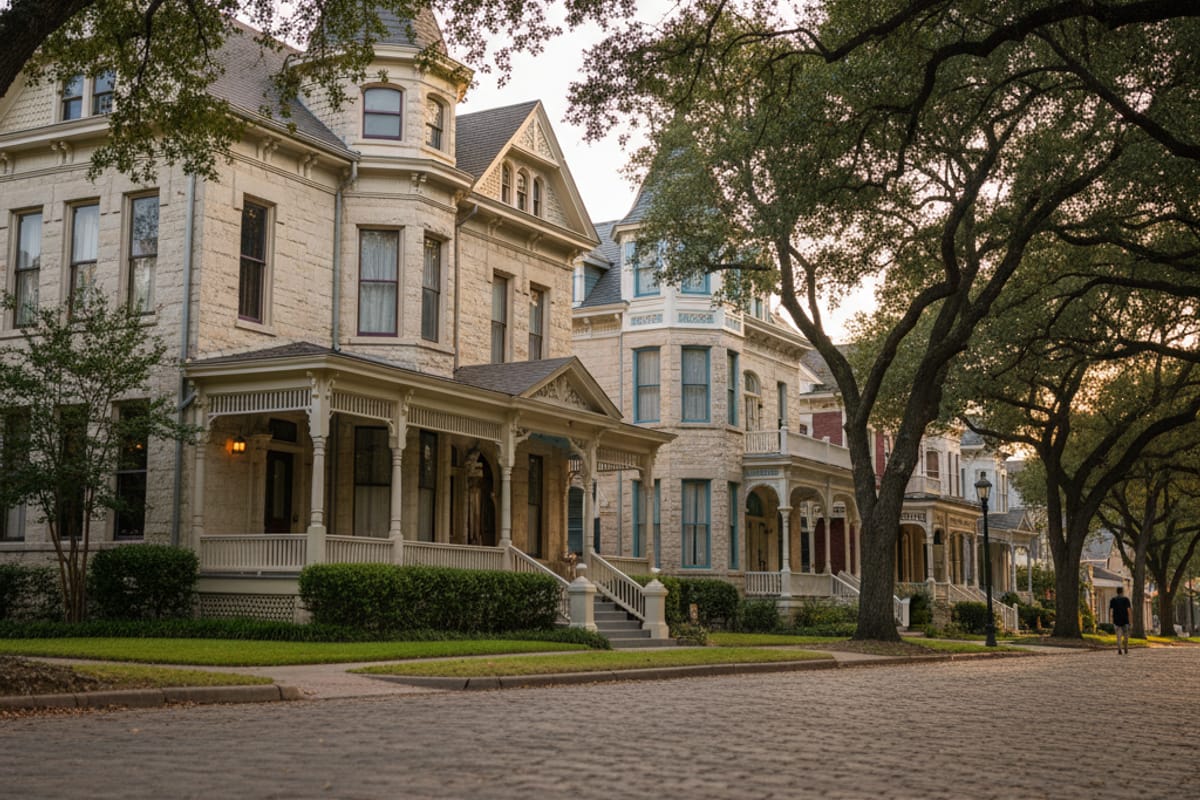 King William's Victorian mansions — the most beautiful residential neighborhood in San Antonio.
Southtown First Friday: The Art Walk That Defines the Neighborhood
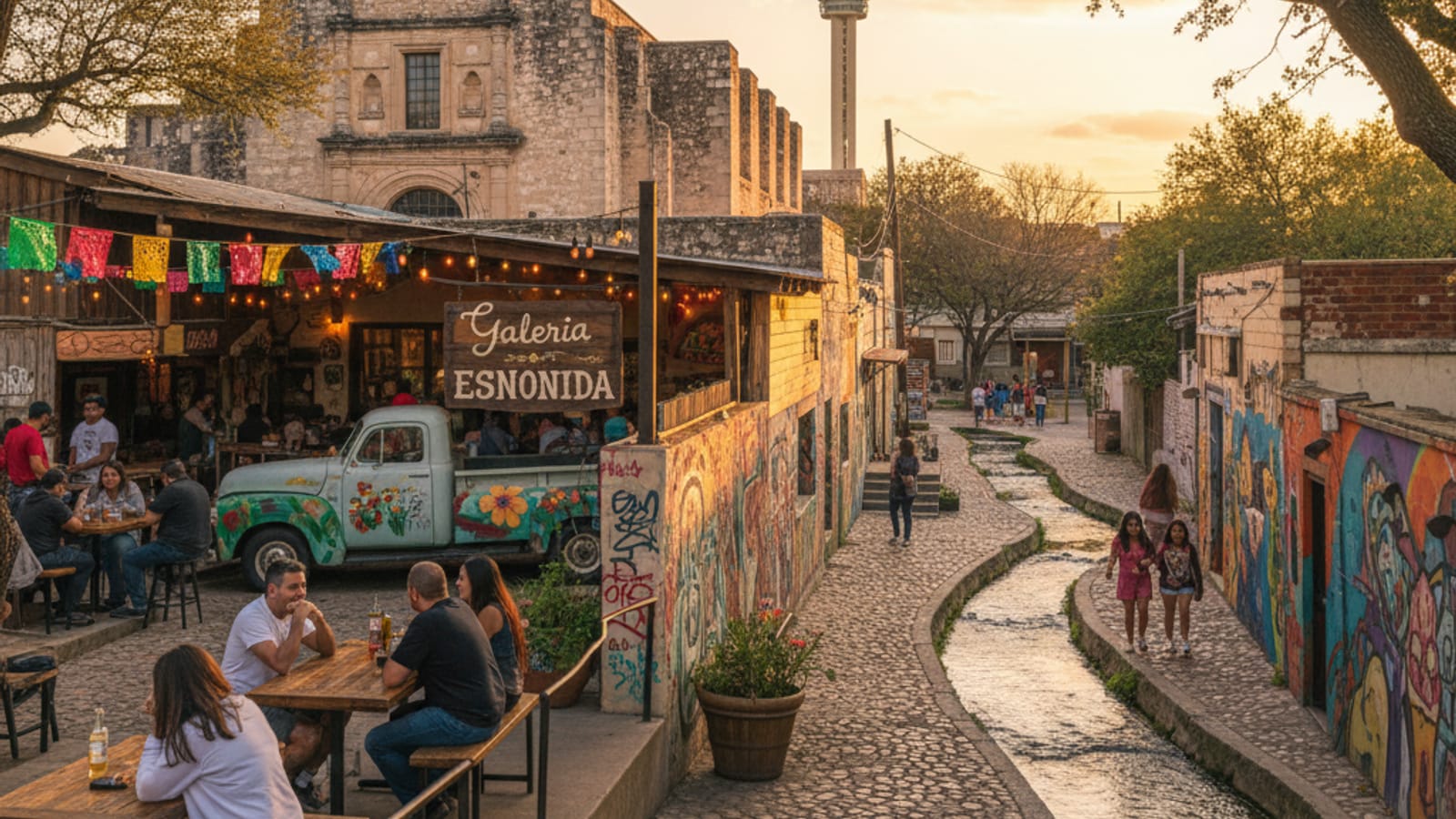
On the first Friday of every month, the Southtown neighborhood south of downtown transforms into San Antonio's most vibrant cultural event. Galleries open their doors, food trucks line South Alamo Street, street musicians set up on corners, and the entire neighborhood comes alive with a walkable, free art crawl that draws everyone from serious art collectors to families with strollers to groups of friends bar-hopping between galleries.
First Friday in Southtown has been running for over 20 years, and it's evolved from a small gallery walk into a full-blown neighborhood festival. The Blue Star Arts Complex is the anchor — a converted warehouse complex that houses multiple galleries, artist studios, and the Blue Star Contemporary art center. During First Friday, most of the galleries offer free wine and snacks, and artists are often present to talk about their work. The contemporary art center itself is always free and shows rotating exhibitions from regional and national artists.
Beyond Blue Star, the art walk extends along South Alamo Street and into the surrounding blocks. Brick at Blue Star is a cozy bar with craft cocktails and a rooftop patio that's perfect for people-watching during the event. Rosario's, the beloved Tex-Mex institution, is right in the middle of the action and usually has live music on their patio during First Friday. Expect a wait if you want to eat there — show up before 6 PM or after 9 PM to avoid the worst of the crowds.
The event typically runs from 6 PM to 10 PM, though some galleries and bars keep going later. Parking can be tricky — your best bet is to park at the lot behind Blue Star (it's free) or use a rideshare. The entire walk is compact enough to cover on foot in an evening, with plenty of stops along the way.
First Friday isn't just for art lovers. It's become the social event of the month for young San Antonians, and the energy is infectious. You'll see everything from abstract sculpture to lowrider car displays to Aztec dance performances. It's free, it's authentic, and it gives you a side of San Antonio that most tourist itineraries completely ignore.
During warmer months, the food truck scene around First Friday is excellent. Look for Curry Boys BBQ, which does smoked meats with South Asian-inspired sides — their brisket with curry fried rice is a San Antonio cult favorite. Tacos run $3-5 from most trucks, and you can easily make a meal of street food while gallery-hopping.
Pro tip: First Friday happens rain or shine, every month of the year. The best months are March through May and October through November, when the weather is comfortable for walking. Summer events still happen but the heat can be intense — bring water and stick to the shaded galleries. Follow @southtownsa on Instagram for each month's featured artists and events.
Japanese Tea Garden: The Most Beautiful Free Attraction in the City
Tucked into an old limestone quarry in Brackenridge Park, the Japanese Tea Garden is one of San Antonio's most stunning and most overlooked attractions. Stone walkways wind through lush tropical landscaping, past koi ponds, over arched stone bridges, and beneath a 60-foot waterfall that cascades down the old quarry walls. The entire garden is free and open daily from dawn to dusk.
The garden was originally built in the 1910s when the city transformed an abandoned cement quarry into a public park. A Japanese-American family, the Jingu family, was hired to tend the gardens and operate a tea room. During World War II, in one of San Antonio's darker chapters, the family was forced out and the garden was renamed the 'Chinese Tea Garden' to distance it from anything Japanese. The city didn't formally apologize and restore the original name until 1984, and in 2013 a memorial was erected honoring the Jingu family. It's a beautiful and sobering piece of local history.
The garden covers about 3.5 acres, and you can walk through the entire space in 30 to 45 minutes, though most people end up staying longer because it's so photogenic. The stone paths descend into the quarry in a series of terraces, with tropical plants, palm trees, and flowering shrubs at every turn. The main waterfall is the centerpiece — you can walk right up to it and feel the mist on your face. There's a small pagoda at the top of the quarry with panoramic views of the entire garden below.
The Jingu House, a restored tea room at the entrance, serves light snacks and drinks including Japanese green tea and boba tea. Prices are reasonable — most drinks are $4-7. It's a nice spot to sit after walking the garden, especially on the outdoor terrace overlooking the koi pond.
The Japanese Tea Garden is located inside Brackenridge Park, which is itself worth exploring. The park stretches along the San Antonio River and includes the San Antonio Zoo, the Witte Museum (natural history and science), and miles of walking trails along the river. You could easily spend a full morning here — start with the tea garden, walk along the river trail, and then grab lunch nearby at Tycoon Flats on Broadway, a burger joint with a huge outdoor patio and live music most weekends. Burgers run $10-14 and they're some of the best in the city.
Pro tip: Visit the Japanese Tea Garden in the morning, before 10 AM. The light filtering into the quarry is magical, the crowds are minimal, and in summer you'll avoid the worst of the heat. Photographers — the waterfall catches the best light before noon. Bring a wide-angle lens.
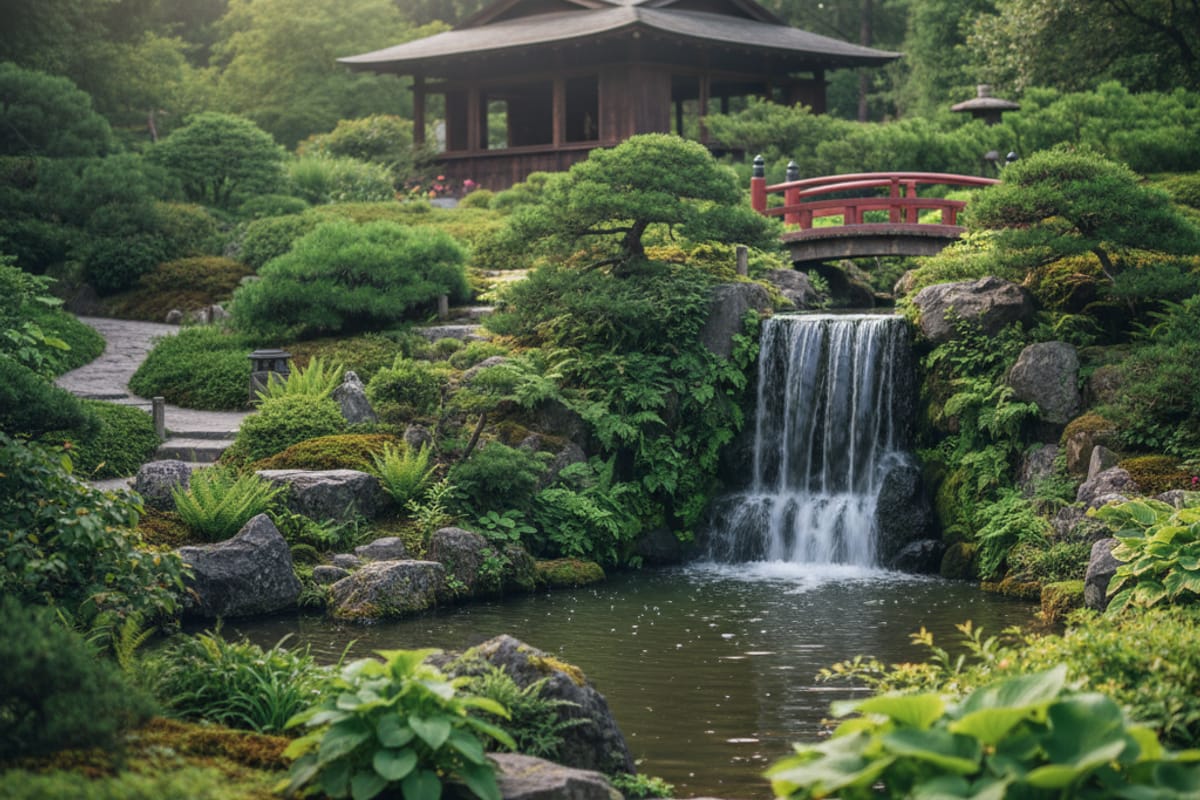 The Japanese Tea Garden — a free oasis of calm built inside an old limestone quarry.
McNay Art Museum: World-Class Art in a Spanish Colonial Mansion
The McNay Art Museum is the kind of place that makes you wonder why San Antonio doesn't get more credit as a cultural city. Housed in a stunning 24-room Spanish Colonial Revival mansion on a hilltop surrounded by landscaped grounds, the McNay holds an impressive collection of modern and contemporary art — Picasso, Matisse, O'Keeffe, Hopper, Rothko, and Diego Rivera are all represented, along with an extensive collection of theater arts and prints.
Marion Koogler McNay was a wealthy oil heiress and art collector who bequeathed her home and collection to the public when she died in 1950, making the McNay the first museum of modern art in Texas. The building itself is as much a draw as the art inside — red tile roof, hand-painted tiles, courtyards with fountains, and views of the surrounding gardens from nearly every window. It's gorgeous, and walking through the galleries feels more like visiting a private estate than a traditional museum.
The permanent collection spans from medieval art to contemporary installations, but the strengths are in early 20th-century American and European modernism. The Diego Rivera gallery is a highlight — several significant works that show his range beyond the murals he's best known for. The sculpture garden outside features large-scale works set among native Texas landscaping, and there's a pleasant walking path that loops around the property.
General admission to the McNay is $20 for adults, but the museum offers free admission on the first Sunday of every month. The free Sundays can be crowded, especially with families, but it's a great deal for budget travelers. The museum is also free for active military and their families, and for anyone under 19. Thursday evenings from 4 PM to 9 PM offer discounted $10 admission with a more relaxed vibe and occasionally live music on the grounds.
The museum is located about 15 minutes north of downtown in the Alamo Heights neighborhood, which is one of San Antonio's wealthier enclaves. While you're in the area, stop at CommonWealth Coffeehouse & Bakery on Davis Court for excellent coffee and pastries in a charming cottage setting, or walk down Broadway to the collection of restaurants and shops in the Alamo Heights strip. Tre Trattoria has solid Italian food with a patio, and meals run $16-24.
Don't skip the museum shop — it's one of the better museum stores in Texas, with a thoughtful selection of art books, jewelry from local makers, and prints. And don't miss the Stieren Center, the museum's modern addition designed to house contemporary and new media art in a sleek glass-and-steel building that contrasts beautifully with McNay's original mansion.
Pro tip: The McNay's grounds are open and free to walk even when the museum is closed. The gardens are beautiful at sunset, and the sculpture garden is accessible without an admission ticket. If you're visiting on a budget, come for the grounds and gardens any day, then visit the galleries on a free first Sunday.
Gruene Hall: The Oldest Dance Hall in Texas
About 45 minutes northeast of San Antonio, in the tiny unincorporated community of Gruene (pronounced 'green'), sits the oldest continuously operating dance hall in the state of Texas. Gruene Hall opened in 1878, and it has never closed — not for Prohibition, not for the Great Depression, not for the pandemic. The wooden walls are covered with decades of concert posters, the screen doors still swing open to let the Hill Country breeze through, and on any given weekend, you can catch live music ranging from up-and-coming Texas country artists to nationally touring acts.
The dance hall has hosted everyone from Willie Nelson and George Strait to Lyle Lovett and Jerry Lee Lewis. Most shows are free on weekday evenings and Sunday afternoons, with weekend headliners typically charging $15-30 for tickets. The hall doesn't have air conditioning — it's an open-air structure with side walls that open up to let air flow through — so summer shows are a sweaty, wonderful experience. Check the event calendar at gruenehall.com before you go to see who's playing during your visit.
Gruene itself is a two-block historic district with a handful of shops, restaurants, and the Gristmill River Restaurant — a converted cotton gin overlooking the Guadalupe River that serves solid Texas comfort food. The chicken fried steak and the burgers are the moves here, and the river view from the back patio is spectacular. Meals run $14-22. There's also a general store, a few antique shops, and a wine tasting room.
If you're visiting in summer, combine your Gruene trip with tubing on the Guadalupe River. Several outfitters in nearby New Braunfels rent tubes and provide shuttle service for $20-30 per person. The float takes two to three hours depending on water levels, and it's one of the quintessential Texas summer experiences. The Comal River in New Braunfels is a shorter, more chill float — about 45 minutes — if you want something more relaxed.
New Braunfels itself is worth a stop. This German-founded town has excellent breweries (Faust Brewing Company is the standout), a charming downtown square, and the massive Schlitterbahn waterpark if you're traveling with kids. The whole area makes for an easy and rewarding day trip from San Antonio.
Gruene Hall is the kind of place that reminds you why Texas has such a fierce cultural identity. Standing on a worn wooden floor, cold Shiner Bock in hand, listening to a musician play their heart out in a building that's been doing exactly this for almost 150 years — it's an experience you simply can't replicate anywhere else.
Pro tip: Gruene Hall's free Sunday afternoon gospel brunch shows are a hidden gem within a hidden gem. Local and touring gospel and Americana acts play from about 12:30 to 4:30 PM, there's no cover charge, and you can grab food from the Gristmill next door and bring it in. It's a perfect way to close out a San Antonio weekend trip.
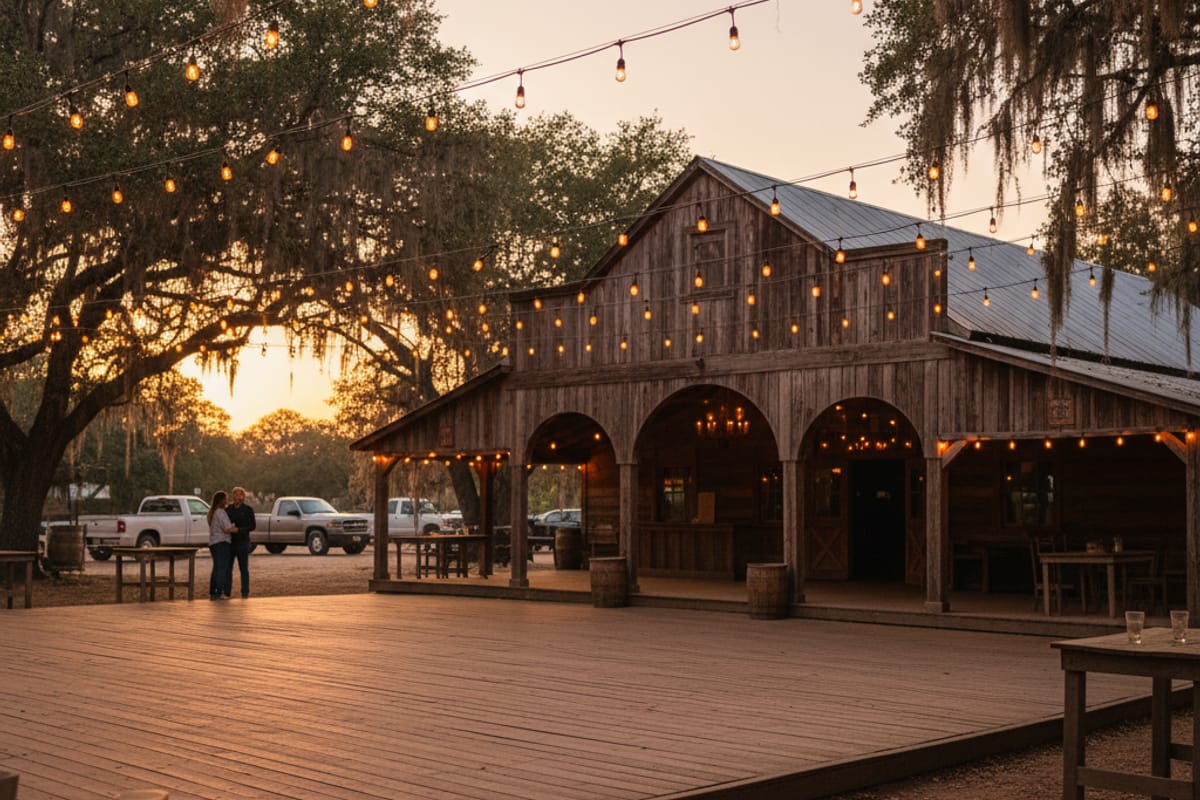 Gruene Hall — live music in a building that's been standing since 1878.
Local Breakfast Tacos: The Real Soul of San Antonio
Forget what you think you know about breakfast. In San Antonio, the morning meal is a breakfast taco, and the city takes this more seriously than almost anything else. These aren't trendy fusion creations or Instagram-bait — they're simple flour tortillas filled with eggs, beans, cheese, bacon, chorizo, potato, or some combination thereof, wrapped in foil, and consumed in your car or standing at a counter. They cost between $1.50 and $3.50 each, and they are absolutely transcendent when done right.
The great breakfast taco debate in San Antonio is fierce and deeply personal. Everyone has their spot, and suggesting that someone's go-to taquería is anything less than the best is fighting words. That said, here are some places that earn near-universal respect.
Con Huevos on South Presa Street is a newer spot that's quickly become a modern classic. They use fresh, handmade flour tortillas — thick, slightly chewy, just the right amount of char from the comal — and fill them generously. The bacon, egg, and cheese is perfect in its simplicity, and the carne guisada taco is rich and deeply flavored. Tacos run $3-4 each. They also make excellent coffee, which is not always a given at taco spots.
Pete's Tako House on Brooklyn Avenue has been serving San Antonio since 1978 and it looks like it. The building is no-frills, the seating is basic, and the menu board hasn't been updated in years. None of that matters because the tacos are outstanding. The carne guisada is legendary — slow-braised beef in a thick, savory gravy that soaks into the tortilla. The barbacoa on weekends is another must-order. Tacos are $2-3 each and the portions are generous.
Los Robertitos on Nogalitos Street is a drive-through taquería that operates out of a tiny building and produces some of the best flour tortillas in the city. The tortillas alone are worth the trip — pillowy, buttery, made fresh constantly. Fill them with bean and cheese or chicharrón and egg. Tacos are $1.50-2.50 and you should order at least three.
For something slightly more upscale, Taco Taco Café on West Hildebrand has been a staple since 1967. Their puffy taco breakfast plate — yes, puffy tacos for breakfast — is legendary, and their regular breakfast tacos are excellent. The potatoes have a beautiful crispy edge, and the homemade salsa roja has real heat.
The key to San Antonio breakfast tacos is the tortilla. If the tortilla isn't handmade, the taco is only half as good. Look for spots where you can see the tortillas being made — pressed and cooked to order on a flat comal. That's how you find the real thing. And always order salsa on the side — the house-made salsas at these neighborhood taqueriías are often the secret weapon that elevates a good taco to a great one.
Breakfast taco hours typically run from 6 AM to 11 AM, though some spots serve them all day. Weekends are busier, especially for barbacoa, which is traditionally a weekend-only item at many taqueriías. Show up hungry, order more than you think you need, and prepare to understand why San Antonians get genuinely emotional about their breakfast tacos.
Pro tip: The ultimate local move: order a dozen tacos to go from your favorite spot, grab a bag of pan dulce (Mexican sweet bread) from a nearby panadería like La Panadería on Houston Street, and have breakfast in Brackenridge Park by the river. Total cost for two people: under $20. That's a San Antonio morning done right.
Why Trust This Guide
Recommendations from locals across 240+ US cities via Recommended.app community data.
Explore More
This guide is part of our San Antonio collection. Explore more guides for San Antonio →
San Antonio has 156 verified businesses on Recommended.app across 63 categories.
Hidden Gems Weekly
3 hidden gems, 2 local quotes, 1 home hack — every Monday. Free forever.
Unsubscribe anytime. No spam.
More from City Guides
 Travel Tips
San Antonio on a Budget: One of America's Most Affordable Great Cities
 City Guide
First Time in San Antonio? Locals Wish You Knew These 12 Things
 Travel Guide
The Perfect San Antonio Weekend: History, Food & River Walk Magic
 City Guide
We Asked San Antonio Locals Where They Actually Eat — Here's What They Said
 Home Services
Water Damage Restoration Near Me: What to Do in the First 24 Hours (2026 Guide)
 Food & Dining