How to Find a Reliable Handyman: The Complete Homeowner's Guide
What they can and can't do, real pricing, where to find them, and red flags to avoid
What a Handyman Can (and Can't) Legally Do
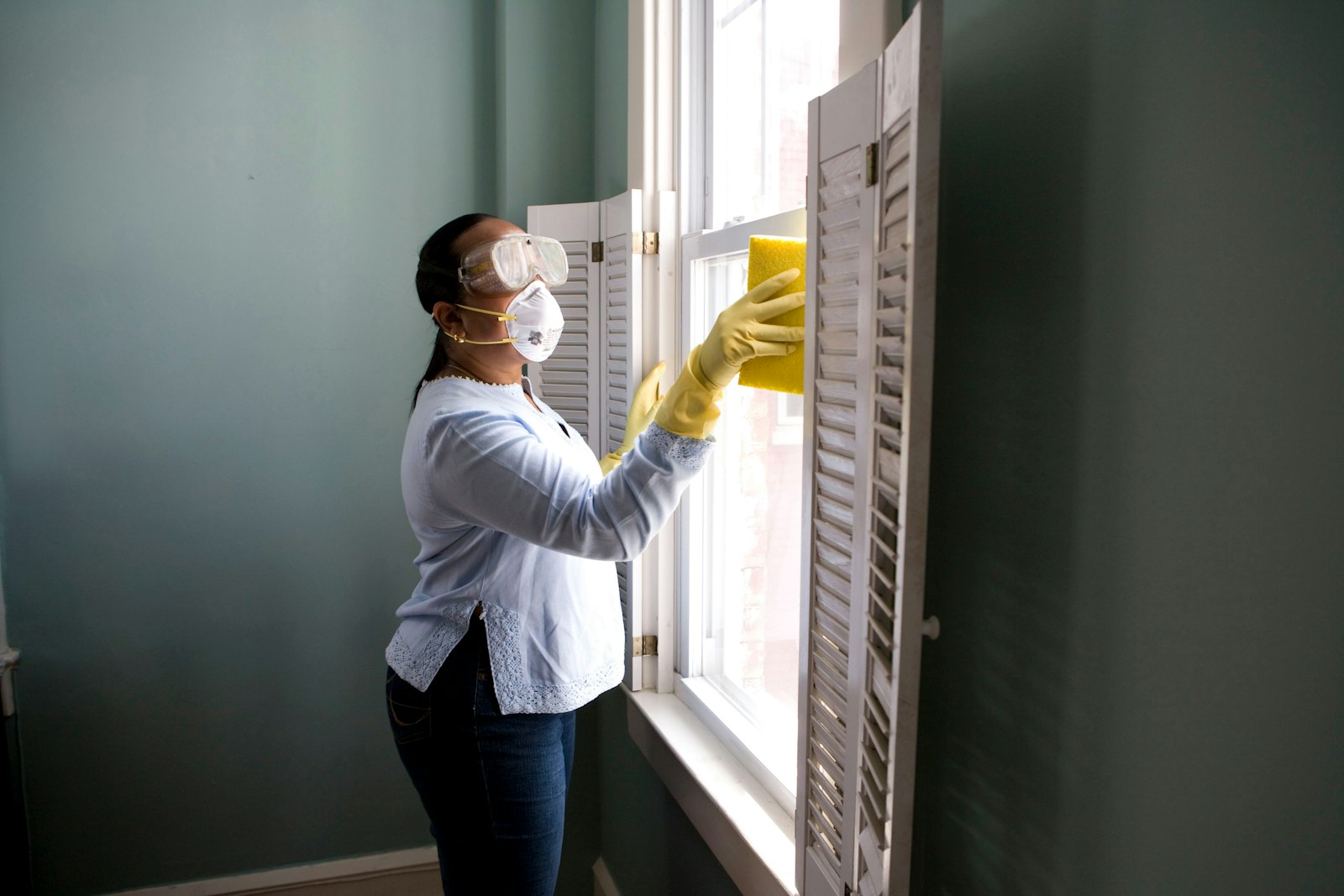
A good handyman is the most valuable contact in any homeowner's phone — but there are real limits on what they can do, and crossing those lines can create serious liability problems for you.
What handymen typically handle: Drywall repair and patching. Interior and exterior painting. Furniture assembly. Door and window repairs (adjusting, weatherstripping, hardware replacement). Minor plumbing (fixing a running toilet, replacing a faucet, unclogging a drain). Light fixture swaps on existing wiring. Shelf and TV mounting. Deck and fence repairs. Caulking and grouting. Pressure washing. Gutter cleaning and minor repair. Tile replacement (small areas).
What requires a licensed specialist: Electrical work beyond basic fixture swaps (new circuits, panel work, rewiring) — requires a licensed electrician. Plumbing beyond simple fixes (moving pipes, water heater installation, gas lines) — requires a licensed plumber. Structural work (removing walls, foundation repair) — requires a licensed general contractor. HVAC work — requires an HVAC license. Any project over $500–$1,000 in most states — typically requires a contractor's license.
The licensing threshold varies by state. In Nevada, any project over $1,000 requires a licensed contractor. In California, it's $500. In Texas, there's no state handyman license at all. Check your state's requirements before hiring anyone for a larger project.
How Much Does a Handyman Cost? Real Pricing Breakdown
Handyman pricing varies by region, experience, and how they structure their rates. Here's what to expect:
Hourly rates: $50–$100 per hour is the standard range for most markets. In high-cost cities (San Francisco, New York), expect $75–$125/hr. In lower-cost markets, $40–$70/hr is common. Most handymen have a minimum charge of 1–2 hours ($100–$200) regardless of how small the job is.
Flat-rate pricing for common jobs: Hang a TV mount: $100–$250. Fix a running toilet: $75–$200. Replace a faucet: $100–$250 (plus the faucet). Patch and paint drywall: $75–$300 depending on size. Replace a light fixture: $75–$200. Assemble furniture: $50–$150 per piece. Install a ceiling fan: $100–$250. Caulk a bathtub: $50–$100. Replace a door lock: $50–$150. Pressure wash a driveway: $100–$300.
What affects pricing: Travel time (some charge for it, some don't). Whether they supply materials or you do. Complexity — a "simple" faucet replacement that turns into corroded pipes costs more. Emergency or same-day service adds 25–50% to normal rates. Weekend and evening availability also commands a premium.
Money-saving tip: Batch your tasks. Instead of calling a handyman for one small job, make a list of 3–5 things and book a half-day. You'll pay for fewer minimum charges and trips, and most handymen prefer longer bookings.
Pro Tip
Always agree on hourly vs. flat-rate pricing before work starts. Get it in writing via text or email. 'About $200' over the phone becomes '$350 with materials and travel' on the invoice if you don't clarify upfront.
Where to Find a Good Handyman
Finding a reliable handyman is harder than finding a specialized contractor because the barrier to entry is lower and there's less regulation. Here are the best sources, ranked by reliability:
Personal referrals: The gold standard. Ask neighbors, friends, family, and coworkers. A handyman who has done good work for someone you trust is the safest bet. Join your neighborhood's Nextdoor group — handyman recommendations are one of the most common posts.
Angi (formerly Angie's List): One of the most established platforms for home services. Pros are reviewed and background-checked. You can see pricing, read detailed reviews, and request quotes. The platform tends to attract more established, professional handymen.
Angi: Great for getting multiple quotes quickly. You describe the job, and available pros respond with pricing. Good for comparing rates and availability. The review system is solid.
Nextdoor: Your neighborhood social network. Recommendations here carry extra weight because they come from people in your actual community. Look for names that come up repeatedly.
Home Depot and Lowe's: Both offer installation services with vetted, insured providers. Pricing is standardized but typically higher than hiring independently. Good option if you want zero risk and don't mind paying a premium.
TaskRabbit: Best for simpler tasks like furniture assembly, TV mounting, and moving help. Pricing is transparent. The pros tend to be younger and tech-savvy but may have less experience with complex repairs.
Avoiding Craigslist: While you can find good handymen on Craigslist, the lack of vetting, reviews, and accountability makes it the riskiest option. If you go this route, verify everything yourself.
How to Vet a Handyman Before Hiring
Even with a referral or platform match, do your due diligence before handing someone your house keys:
Check for insurance. This is the most important thing most homeowners skip. Ask if they carry general liability insurance. If they accidentally damage your property (crack a pipe, break a window, scratch your floors), their insurance covers it. Without it, you're paying out of pocket or filing a claim on your homeowner's policy. Workers' compensation matters if they have employees.
Read reviews carefully. Don't just look at the star rating — read the actual text. Look for patterns: Does this person show up on time? Do they clean up after themselves? Are they honest about pricing? A handyman with 4.3 stars and 100 reviews is more reliable than one with 5.0 stars and 5 reviews.
Start with a small job. Before trusting someone with a $2,000 project, hire them for a $200 job first. See how they communicate, whether they show up when they say they will, and whether the work quality meets your standards.
Get a written estimate. Even for small jobs, get the scope and price in writing — even a text message works. This protects both of you. For larger jobs ($500+), a simple written agreement covering scope, price, timeline, and materials is essential.
Ask about their experience with your specific project. A handyman who's great at painting may be mediocre at plumbing. Ask how many times they've done the specific task you need.
Pro Tip
The best handymen are booked 1–2 weeks out. If someone can come today with no notice, ask yourself why they're not busy. It's not always a red flag — but it's worth asking.
Red Flags and Tipping Etiquette
Red flags to watch for when hiring a handyman:
No insurance and no willingness to discuss it. A professional handyman carries liability insurance. Period. If they get defensive when you ask, move on.
Demanding cash-only payment. While many handymen prefer cash (to avoid credit card fees), a refusal to accept any other form of payment — or a refusal to provide a receipt — is a red flag. It often means they're not reporting income and won't stand behind their work.
No references or reviews. Everyone has to start somewhere, but if a handyman has been in business for more than a year and has zero reviews or references, that's concerning.
Significantly underbidding everyone else. If three handymen quote $300 and one quotes $100, the low bidder is either inexperienced, cutting corners, or planning to add charges once the work starts.
Showing up late without communication. Reliability is the #1 quality of a good handyman. If they're late to the estimate or first appointment without a heads-up text, expect more of the same.
Tipping etiquette: Tipping a handyman is not required but is appreciated for excellent work. The standard is $20–$50 for a half-day job or 10–15% for larger projects. If they own the business (vs. working for a company), tipping is less expected. Offering water, coffee, or lunch is always appreciated and goes a long way toward building a good relationship with a handyman you want to call again.
Build Your Home Services Team
A reliable handyman is the cornerstone of your home maintenance team, but they're just one piece of the puzzle. Every homeowner should also have a trusted plumber, electrician, and HVAC tech in their contacts for when jobs exceed what a handyman can legally or safely handle.
The best time to find a handyman is before you need one urgently. When the toilet is overflowing at 9 PM on a Sunday, you'll call whoever shows up first and pay whatever they ask. Build your network when you have time to vet properly, compare prices, and test with a small job.
For Las Vegas homeowners, keep in mind that Nevada requires a contractor's license for any project over $1,000 (including materials). For handyman jobs under that threshold, there's no state license required, which means extra vetting on your part is essential. Ask for proof of insurance and check references regardless of the project size.
Explore More
Disclosure: This post may contain affiliate links. We earn a commission at no additional cost to you when you purchase through our links.