
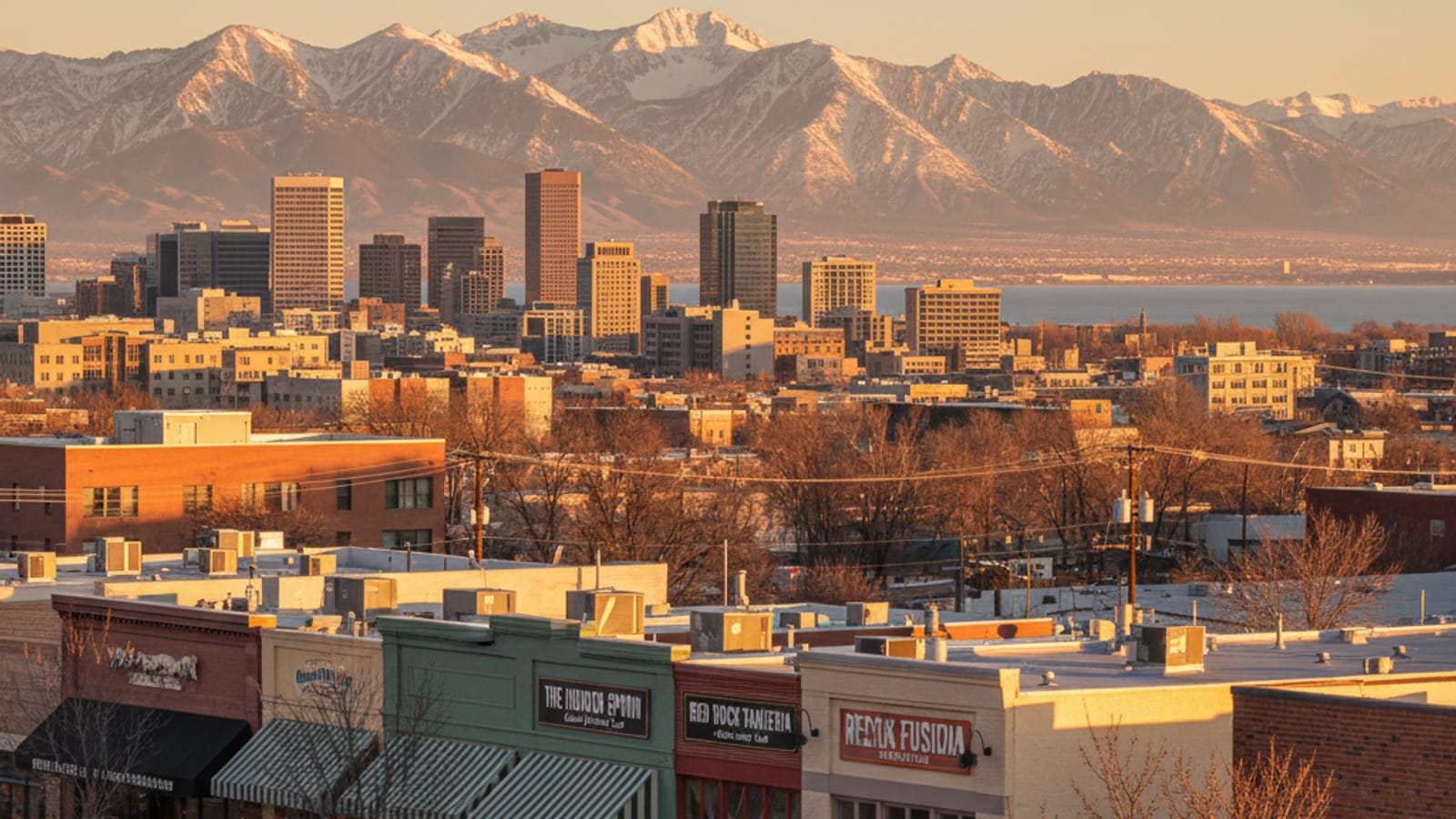
Last updated March 16, 2026 by the Recommended.app research team.
Downtown: Where SLC's Culinary Revolution Started
Downtown Salt Lake City is where the city's restaurant renaissance began, and it's where you'll find the highest concentration of destinations worth traveling for. The area roughly bounded by 100 South, 400 South, State Street, and West Temple has become a legitimate dining district that holds its own against cities three times SLC's size.
The Copper Onion at 111 East Broadway (300 South) is the restaurant that changed the conversation about Salt Lake City dining. Chef Ryan Lowder opened it in 2010, and within two years it was being written up in national food publications. The menu is New American with seasonal rotations, but certain dishes have become permanent fixtures: the dry-aged burger on a brioche bun with house pickles ($18), the pan-roasted chicken with seasonal vegetables ($28), and the hand-cut pasta dishes that change weekly. The wine list is thoughtful and reasonably priced, with most bottles in the $40-70 range. Weekend brunch is exceptional — the short rib hash and the lemon ricotta pancakes are standouts. Reservations are essential for dinner, especially Friday and Saturday. Walk-ins can usually snag a seat at the bar, which is actually the best seat in the house for solo diners.
HSL (Handle Salt Lake) at 418 East 200 South comes from the same restaurant group as Current Fish & Oyster and Copper Common, and it represents the more refined end of SLC dining. The menu is driven almost entirely by what's available from local farms that week — Chef Briar Handly builds dishes around ingredients rather than the other way around. The wood-fired dishes are consistently the best items: roasted carrots with harissa and labneh ($14), wood-grilled lamb chops with seasonal sides ($38), and whatever fish preparation they're running that night. The cocktail program is among the best in the state, with bartenders who make their own bitters, shrubs, and syrups. Dinner entrees run $25-42, and the five-course tasting menu ($75) is an excellent way to experience the full range of the kitchen.
Current Fish & Oyster at 279 East 300 South defies the landlocked-state stereotype with a raw bar and seafood menu that would impress in a coastal city. Fish is flown in daily from both coasts, and the oyster selection rotates through a dozen varieties. The lobster roll ($28) uses Connecticut-style warm butter preparation and is genuinely excellent. The crudo sampler ($22) features four preparations that showcase whatever's freshest. The space is beautiful — exposed brick, an open kitchen, and a buzzy-but-not-loud atmosphere that works for both date nights and group dinners. Brunch here is underrated: the smoked salmon Benedict and the crab cake eggs are both outstanding.
Copper Common, adjacent to The Copper Onion, is the more casual sister space — a coffee shop by day and cocktail bar by night with a small but excellent food menu. The avocado toast ($12) is one of the best in the city (house-baked bread, pickled shallots, chili flakes, perfectly ripe avocado), and the evening snack menu — deviled eggs, charcuterie, flatbreads — pairs perfectly with their craft cocktails.
Pro tip: For the best Copper Onion experience without the wait, go for weekday lunch. The menu is slightly different (and slightly cheaper) than dinner, the room is less crowded, and you can walk in without a reservation. The lunch burger is the same legendary burger served at dinner — it's the best $18 you'll spend in SLC.
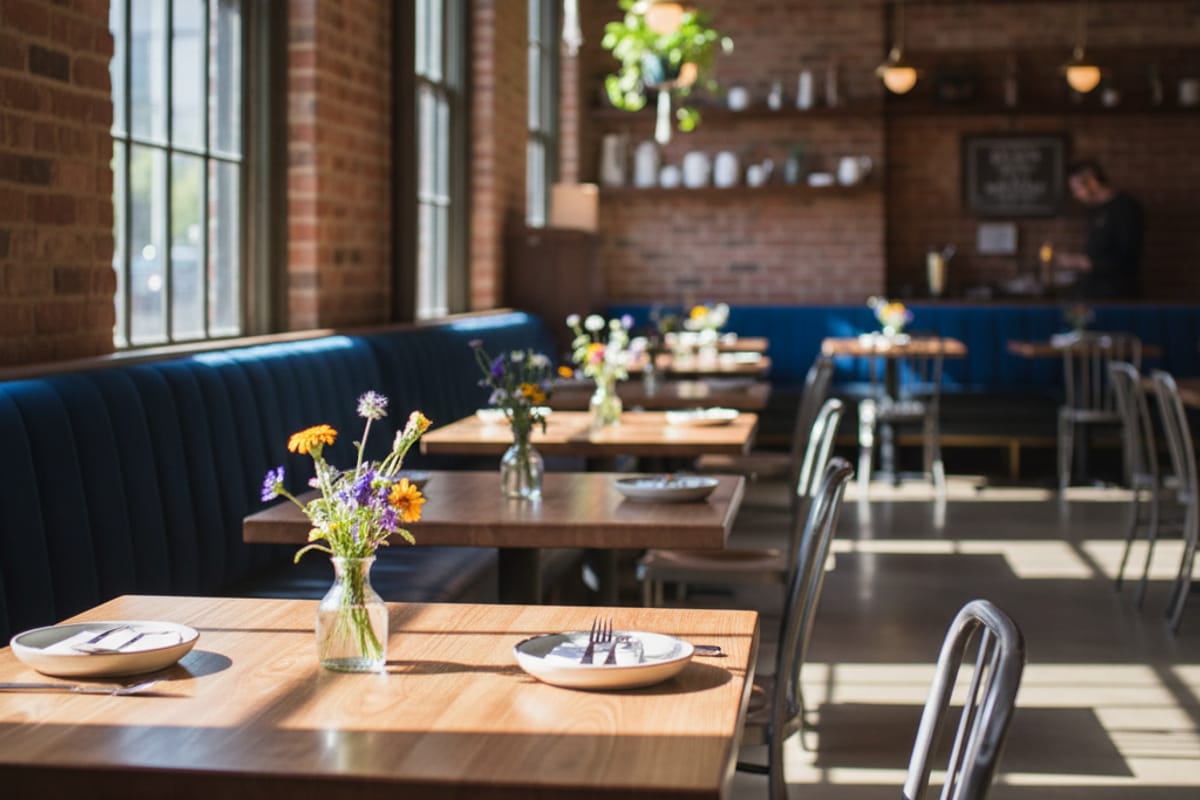 Downtown SLC's restaurant scene rivals cities three times its size.
9th & 9th: Farm-to-Table in the Neighborhood
The 9th & 9th neighborhood (900 East and 900 South) has developed a dining scene that perfectly reflects its character: intimate, ingredient-driven, and community-oriented. These aren't restaurants trying to impress food critics — they're restaurants trying to feed their neighbors exceptionally well, and that mindset produces some of the most satisfying meals in the city.
Pago at 878 South 900 East is the flagship. Chef Scott Evans has built relationships with over 30 Utah farms, and the menu reads like a love letter to the state's agricultural diversity. In summer, the tomato salad uses five or six heirloom varieties from local growers, dressed simply with good olive oil and sea salt. In winter, the braised meats and root vegetable dishes are deeply comforting. The duck breast with seasonal fruit compote ($36) is a perennial favorite, and the house-made charcuterie board ($24) showcases Evans's skill with curing and preservation. The wine list is biodynamic-leaning with lots of natural wine options. Dinner entrees range $26-42, and the intimate 50-seat dining room requires reservations on weekends.
Stoneground Italian Kitchen at 249 East 900 South brings genuine Italian cooking to the neighborhood. The wood-fired oven is the star — the Margherita pizza ($14) uses San Marzano tomatoes, fresh mozzarella, and basil on a perfectly blistered, leopard-spotted crust. It's simple, it's perfect, and it's the benchmark pizza in Salt Lake City. The handmade pastas are equally impressive: the cacio e pepe ($16) is textbook, and the wild boar ragu pappardelle ($22) is rich and deeply flavored. The restaurant is small — maybe 40 seats — and the open kitchen lets you watch the cooks working the oven and the pasta station. It's BYOB-friendly (no corkage fee on Tuesdays), which is a significant perk given Utah's liquor markup.
East Liberty Tap House at 850 East 900 South does elevated pub food with a rotating tap list of 20+ local and regional craft beers. The smash burger ($15) is excellent — two thin patties with American cheese, pickles, and special sauce on a potato bun. The loaded tots ($12) are exactly what they sound like and exactly what you want with a cold beer. The patio is dog-friendly, the vibe is casual, and it's the kind of place where you end up staying three hours longer than planned.
Caputo's Market & Deli has a 9th & 9th location that's essential for lunch. This Italian specialty shop makes sandwiches on fresh-baked bread with imported meats and cheeses, and the Hot Coppa ($14) — spicy coppa, provolone, roasted peppers, and olive tapenade — is a top-five sandwich in the city. The market also sells incredible olive oils, pasta, and specialty items if you want to cook at your rental.
Pro tip: Stoneground's BYOB Tuesday is a local secret. Buy a good bottle of wine from the state liquor store on 200 South (about $15-25 for something excellent), bring it to dinner, and you've got an Italian meal with wine for under $40 per person. No corkage fee, no markup.
Sugar House: Comfort Food and Community Tables
Sugar House, centered around 2100 South and Highland Drive, has a restaurant scene that skews more casual and comfort-oriented than downtown or 9th & 9th, but the quality is just as high. This is where locals eat on weeknights — the places they mention offhandedly when friends visit, like it's no big deal.
Sugarhouse Barbecue Company at 2207 South 700 East is legitimately good barbecue. The brisket is smoked for 14 hours over oak and cherry wood, and the bark-to-meat ratio is excellent. A two-meat plate with two sides runs about $18, and the portions are generous. The pulled pork is tender and well-seasoned, the mac and cheese is made from scratch, and the cornbread comes with honey butter. The space is no-frills — picnic tables, paper towel rolls, cafeteria trays — which is exactly right for a barbecue joint. They sell out of brisket regularly, so go before 7 PM on weekends.
Eva's Bakery & Deli doesn't have a Sugar House location (it's downtown), but Fillings & Emulsions at 1475 South 1100 East (just north of Sugar House proper) fills the pastry void beautifully. Their croissants are buttery and perfectly laminated, the seasonal fruit tarts are gorgeous, and the savory hand pies make an excellent grab-and-go lunch. Everything is baked fresh daily, and once they sell out, they close — arrive before noon for the best selection.
Mazza Middle Eastern Cuisine at 912 East 900 South (technically on the border between Sugar House and 9th & 9th) serves some of the best Middle Eastern food in the Intermountain West. The menu spans Lebanese, Syrian, and Palestinian traditions, with dishes made from family recipes. The lamb shawarma plate ($19) features meat that's been marinating for 24 hours and carved to order. The hummus ($8) is silky smooth, the falafel ($14 for a plate) is crispy outside and herb-green inside, and the fattoush salad is bright and perfectly dressed. There's also an excellent selection of vegetarian and vegan dishes, making it one of the best options in the city for plant-based diners.
Wasatch Brewery's Sugar House pub at 2110 South Highland Drive rounds out the neighborhood dining with reliable burgers, pizzas, and fresh-from-the-tank craft beer. It's not going to win any culinary awards, but for a neighborhood pub meal with excellent beer, it's exactly right. The fish and chips ($16) using beer-battered cod is a local favorite, and happy hour (3-6 PM weekdays) drops pint prices to $4.
Pro tip: For a Sugar House food crawl, start with coffee and pastries at Publik Coffee Roasters on 2100 South, grab lunch at Sugarhouse Barbecue, pick up chocolate at Ritual Chocolate (which has a factory and tasting room on 2100 South), and end with beers at Wasatch Brewery. The whole route is walkable in about 15 minutes end to end.
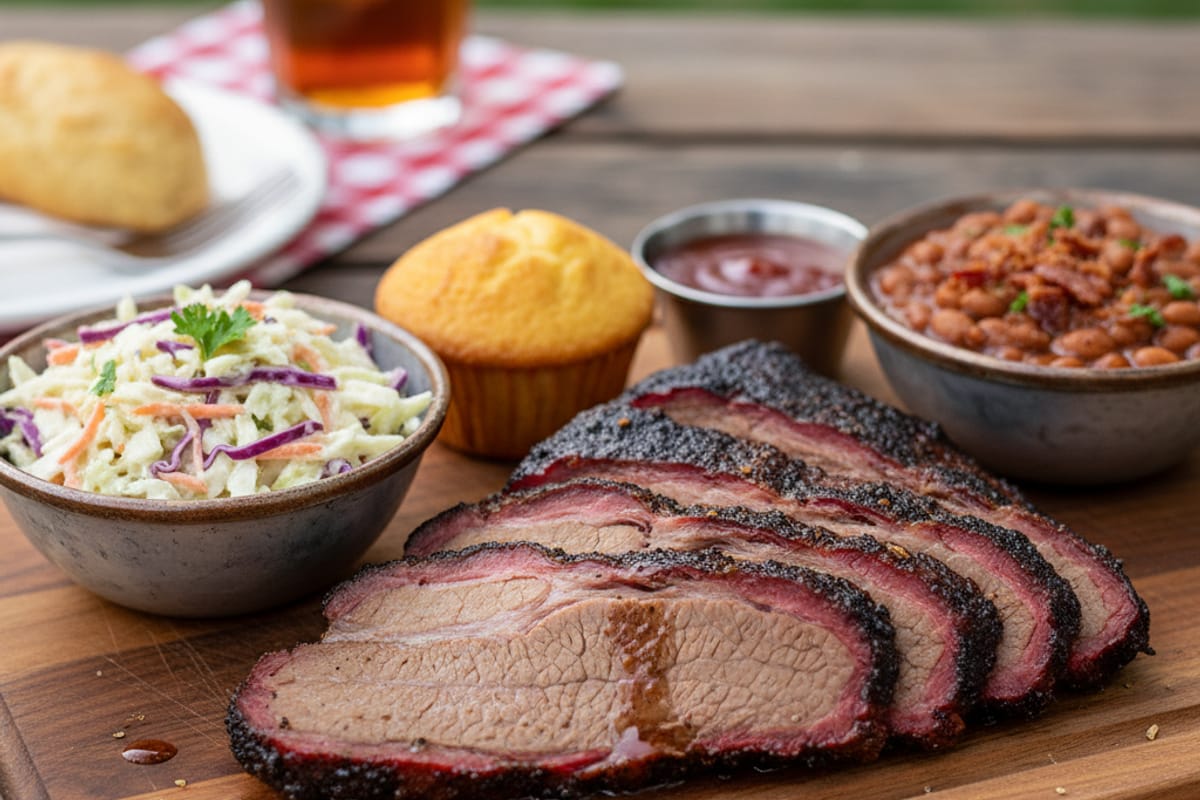 Sugarhouse Barbecue — 14-hour smoked brisket in the heart of the neighborhood.
The Ethnic Food Scene: Red Iguana, Spice Kitchen & Beyond
Salt Lake City has a quietly impressive ethnic food scene, driven by the city's refugee resettlement programs and growing immigrant communities. Utah has been a major refugee resettlement state for decades, and the culinary result is a diversity of flavors that catches every visitor off guard.
Red Iguana at 736 West North Temple is the crown jewel — a family-owned Mexican restaurant that's been operating since 1985 and has become one of the most celebrated Mexican restaurants in the American West. The specialty is mole, and they make seven varieties fresh daily. The mole negro is the most complex — over 30 ingredients including three types of dried chiles, chocolate, plantains, and spices, simmered for hours into a sauce so rich it's almost black. The pipián verde, made with pumpkin seeds and tomatillos, is bright and nutty. A combination plate ($18) lets you try three moles with enchiladas or tamales, and it's the perfect introduction. The restaurant's reputation means waits can exceed an hour on weekends — Red Iguana 2 across the street has the same kitchen team and identical menu with shorter waits. Both locations have full bars with excellent margaritas ($10-12).
Spice Kitchen Incubator is a nonprofit program that helps refugee and immigrant entrepreneurs launch food businesses. Several graduates have opened their own restaurants and food trucks around the city. The most notable is Oh Mai, a Vietnamese sandwich shop downtown that makes banh mi with house-baked baguettes and locally sourced meats for about $9-11. Laziz Kitchen, started by a family from the Middle East, serves refined versions of traditional dishes in a beautiful space on State Street — the lamb kofta plate ($18) and the shakshuka ($14) are highlights.
The stretch of State Street between 3300 South and 3900 South has become an informal international food corridor. Mahider Ethiopian Restaurant at 3364 South State serves traditional Ethiopian platters on injera bread — the kitfo (Ethiopian steak tartare) and the doro wot (chicken stew) are exceptional, and the vegetarian combination platter ($16) is one of the best meatless meals in the city. Nohm, a Thai restaurant at 3500 South State, does northern Thai specialties like khao soi (curry noodle soup) and larb that are more authentic than most Thai restaurants in much larger cities.
For Chinese food, the Chinatown supermarket complex on 3390 South State Street houses several small restaurants and food stalls. One More Noodle House does hand-pulled noodles made to order — watching the noodle puller work is mesmerizing, and a massive bowl of beef noodle soup costs $12. Sichuan-style restaurants are particularly strong in SLC: Boba World on State Street does mapo tofu and kung pao chicken that's genuinely spicy and deeply flavored.
The Pacific Islander community in SLC is the largest per capita of any mainland U.S. city, and Polynesian food is readily available. Taqueria 27 has multiple locations serving creative tacos, but for authentic Tongan and Samoan food, head to the small shops along Redwood Road in West Valley City — lu pulu (corned beef wrapped in taro leaves and baked in coconut milk) is a must-try if you can find it.
Pro tip: For the best ethnic food exploration without a car, take the TRAX Green Line south to the 3900 South station and walk north along State Street. In a 10-block stretch, you'll pass Ethiopian, Thai, Chinese, Vietnamese, and Middle Eastern restaurants. Budget $12-18 per meal and eat at two or three — it's Salt Lake City's most underrated food experience.
Park City: Mountain Town Dining Worth the Drive
Park City is 35 minutes east of Salt Lake City on I-80, and while it's primarily known as a ski town, the restaurant scene has evolved well beyond standard mountain-lodge fare. During Sundance Film Festival in January, some of the country's most demanding food critics eat here for two weeks — and they leave impressed.
Handle at 136 Heber Avenue on Historic Main Street is Park City's most exciting restaurant. Chef Briar Handly (who also runs HSL in SLC) applies the same local-ingredient philosophy at a higher elevation, with a menu that's slightly more adventurous. The smoked trout toast ($16) has become iconic — house-smoked local trout on sourdough with crème fraîche, capers, and dill. The dry-aged duck breast ($42) with seasonal accompaniments is the signature main. The space is intimate and modern, with an open kitchen and a small patio that's magical in summer. Reservations are essential, especially during ski season.
Riverhorse on Main at 540 Main Street occupies one of the most beautiful dining rooms in Utah — a restored historic building with exposed brick, massive windows, and a grand piano that gets played nightly. The menu is upscale American with Rocky Mountain influences: elk tenderloin ($52), pan-seared Idaho trout ($36), and a New York strip ($58) that's surprisingly worth the price. The wine list is extensive, with several hundred selections. This is the splurge restaurant — budget $80-120 per person with drinks — but the combination of food, atmosphere, and setting makes it feel worth every dollar.
Silver Star Café at 1825 Three Kings Drive is the local's secret. Tucked away in the Thaynes Canyon neighborhood away from Main Street, it serves creative breakfast and lunch in a cozy, wood-paneled space. The huevos rancheros ($16) are perfect, the French toast with caramelized bananas ($14) is indulgent, and the homemade soups are ideal après-ski fuel. It's cash or check only, there's often a wait on weekends, and no one cares — the food is that good.
High West Distillery & Saloon at 703 Park Avenue is both a working distillery and a restaurant, and it's one of the most unique dining experiences in the state. The building is a renovated 1906 livery stable, and the interior mixes Western heritage with modern design beautifully. The whiskey flights ($15-30) showcase their award-winning spirits, and the food menu — bison short ribs ($34), whiskey-glazed salmon ($30), loaded cheese fries ($14) — is designed to complement the drinks. Tours of the distillery ($10) run hourly and include tastings.
For quick, casual food in Park City, Davanza's on Main Street does New York-style pizza by the slice ($4-5) that's perfect after a day on the mountain. Vessel Kitchen on Bonanza Drive does healthy bowls, salads, and wraps using local ingredients for $12-16. Both are reliably good and won't break the bank in a town where dinner bills can escalate quickly.
Pro tip: If you're visiting Park City specifically for restaurants, go on a weeknight during ski season or anytime in the off-season (April-May or October-November). Prices are the same but availability is dramatically better. During Sundance Festival, skip Main Street entirely — restaurants are overrun and many host private events. Eat in SLC and take the bus up for the festival.
Where to Skip: Honest Advice from Locals
Every city has restaurants that coast on location, reputation, or marketing rather than food quality. Salt Lake City is no exception, and locals are refreshingly honest about which places aren't worth your time or money.
The Gateway Mall food court area has improved in recent years, but most of the sit-down restaurants clustered around the mall are mediocre and overpriced for what you get. The exception is Settebello Pizzeria, which does legitimate Neapolitan-style pizza and is worth seeking out — but the surrounding options are largely chains and tourist traps. Walk 10 minutes east to Main Street or Broadway and you'll eat significantly better for the same money.
City Creek Center's restaurant options are similarly underwhelming. The mall itself is architecturally interesting (the retractable glass roof is impressive), but the food is standard mall fare at premium prices. Use City Creek for shopping and then walk to The Copper Onion, HSL, or Current for a real meal.
Several restaurants near Temple Square cater primarily to tourists and church visitors, and the quality reflects that captive-audience dynamic. The prices are high, the portions are generous but uninspired, and you're paying for proximity rather than culinary skill. Walk three blocks south or east and the restaurant quality improves dramatically.
Park City's Main Street has a few tourist-trap restaurants that charge $40-50 for steaks and pasta that would be $25 in SLC. If a Park City restaurant has a hostess aggressively recruiting diners from the sidewalk, that's your signal to keep walking. The best Park City restaurants don't need to recruit — they have waiting lists.
Buffet restaurants anywhere in the SLC area are generally not worth the money. Unlike Las Vegas, where buffets are a competitive art form, SLC buffets tend to be quantity-over-quality affairs at $20-30 per person. You'll eat better and spend less at any of the restaurants mentioned in this guide.
Finally, be cautious about restaurant recommendations from hotel concierges. Many hotels have referral arrangements with nearby restaurants, and the recommendations don't always reflect quality. Use this guide, check local food blogs like Salt Lake Magazine's dining section, or ask your Uber driver — they always know the best spots.
Why Trust This Guide
Recommendations from locals across 240+ US cities via Recommended.app community data.
Explore More
This guide is part of our Salt Lake City collection. Explore more guides for Salt Lake City →
Salt Lake City has 165 verified businesses on Recommended.app across 65 categories.
Hidden Gems Weekly
3 hidden gems, 2 local quotes, 1 home hack — every Monday. Free forever.
Unsubscribe anytime. No spam.
More from City Guides
 City Guide
10 Hidden Gems in Salt Lake City That Surprise Every Visitor
 Travel Tips
Salt Lake City on a Budget: Affordable Skiing, Free Hikes & Cheap Eats
 Travel Guide
A Weekend in Salt Lake City: Skiing, Food & Mountain Views
 City Guide
First Time in Salt Lake City? Locals Wish You Knew These 12 Things
 Home Services
Water Damage Restoration Near Me: What to Do in the First 24 Hours (2026 Guide)
 Food & Dining