
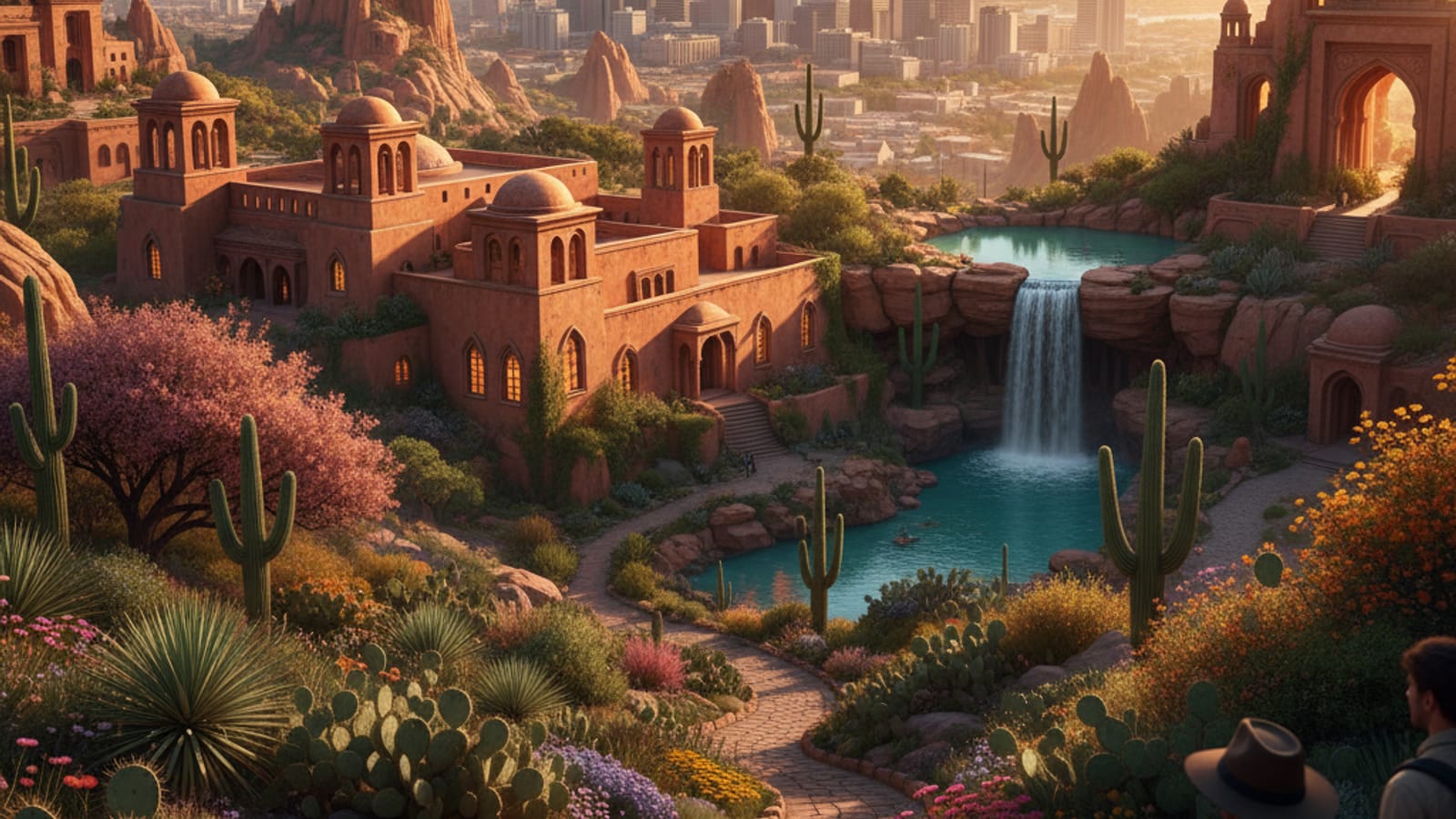
Last updated March 16, 2026 by the Recommended.app research team.
The Bonneville Salt Flats: Another Planet, 90 Minutes Away
The Bonneville Salt Flats are one of the most surreal landscapes in North America, and they're close enough to Salt Lake City for a half-day trip. Located about 90 minutes west on I-80, near the town of Wendover on the Utah-Nevada border, the salt flats stretch over 30,000 acres of perfectly flat, blindingly white terrain. When a thin layer of water covers the surface — usually in late winter and spring — it creates a mirror effect that makes it look like you're standing on the sky.
This is where land speed records have been set since the 1930s. The Bonneville Speedway has seen cars break 600 mph on this natural surface, and Speed Week in August draws racing enthusiasts from around the world. But you don't need to be into motorsports to appreciate this place. The sheer emptiness is the point — there's nothing on the horizon in any direction, the silence is almost disorienting, and the photo opportunities are genuinely once-in-a-lifetime. Bring props, wear bright colors, and experiment with perspective shots — the flat, featureless landscape plays tricks on depth perception.
The salt flats are free to visit and you can drive right onto them from the marked access roads off I-80 (exit 4). There are no facilities — no bathrooms, no water, no shade, no cell service. Bring everything you need and be prepared for extreme temperatures in summer (115°F on the salt is not uncommon). The salt will eat at your shoes and vehicle undercarriage, so rinse your car at the Wendover car wash on the way back.
The best time to visit is October through May, when temperatures are moderate and the surface is firm. After heavy rain, the flats can become too soft to drive on, so check conditions before making the trip. The visitor center at the Wendover Airfield (a fascinating WWII-era site in its own right) has current conditions and historical exhibits about the land speed record attempts.
Pro tip: Visit after a light rain for the mirror effect, but not after heavy rain when the surface gets muddy. Sunrise and sunset are the most photogenic times — the light turns the salt pink and gold. Wear shoes you don't care about; the salt crystals will shred anything nice.
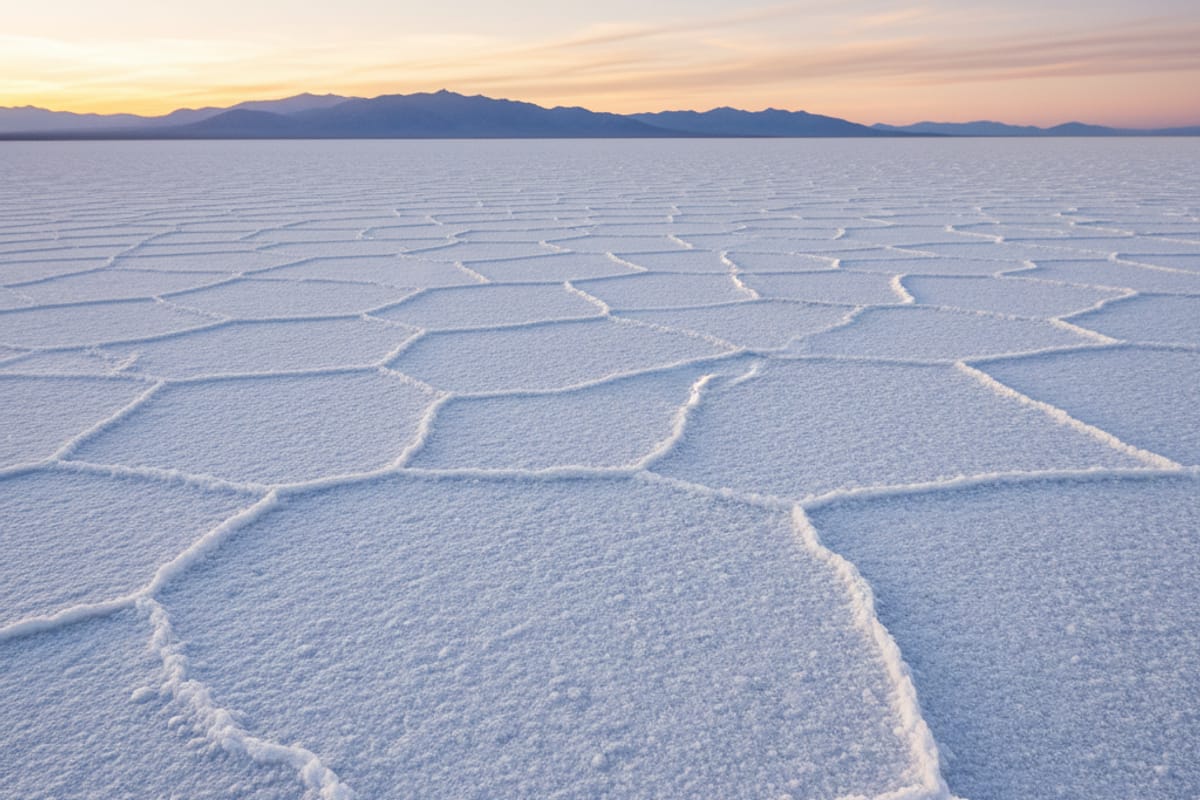 The Bonneville Salt Flats — 30,000 acres of pure, flat white.
Gilgal Sculpture Garden: The Weirdest Park You've Ever Seen
Tucked away in a residential neighborhood at 749 East 500 South, Gilgal Sculpture Garden is the kind of place that makes you question reality. Created by Thomas Battersby Child Jr., a local bishop and masonry contractor, between 1945 and 1963, the garden contains 12 original sculptures and over 70 engraved stones that blend LDS theology, world history, literary references, and deeply personal symbolism into a collection that defies easy interpretation.
The centerpiece is a sphinx with the face of Joseph Smith wearing a headdress inscribed with passages from the Book of Mormon. There's a monument to Nebuchadnezzar's dream from the Book of Daniel, a massive stone head emerging from the ground, and cryptic engravings that reference everything from the Bible to Shakespeare to the U.S. Constitution. Child created all of this in his spare time, in his own backyard, with his own hands. He never explained his work publicly, and the meaning of many pieces died with him in 1963.
The garden was nearly demolished after Child's death — his family maintained it for years, but by the 1990s it was overgrown and forgotten. A group of preservationists convinced Salt Lake City to purchase the property and it reopened as a public park in 2000. Today it's maintained by the city and it's completely free, open daily from 8 AM to 8 PM (shorter hours in winter).
What makes Gilgal extraordinary isn't just the art — it's the context. This wasn't a gallery installation or a public commission. This was one man's obsessive, decades-long effort to externalize his inner spiritual and intellectual world, carved in stone and concrete in his suburban backyard. It's folk art at its most pure, and spending 30-45 minutes wandering through the garden and reading the inscriptions is one of the most genuinely unique experiences in Salt Lake City.
The garden sits between 500 South and 600 South, east of 700 East, behind residential homes. There's no signage from the main streets — look for a small gate in a brick wall between houses. Street parking is available on the surrounding blocks.
Pro tip: Download the free Gilgal Garden app before visiting. It has audio guides and interpretive information for each sculpture that dramatically enhances the experience. Without context, some pieces look random; with context, they're fascinating.
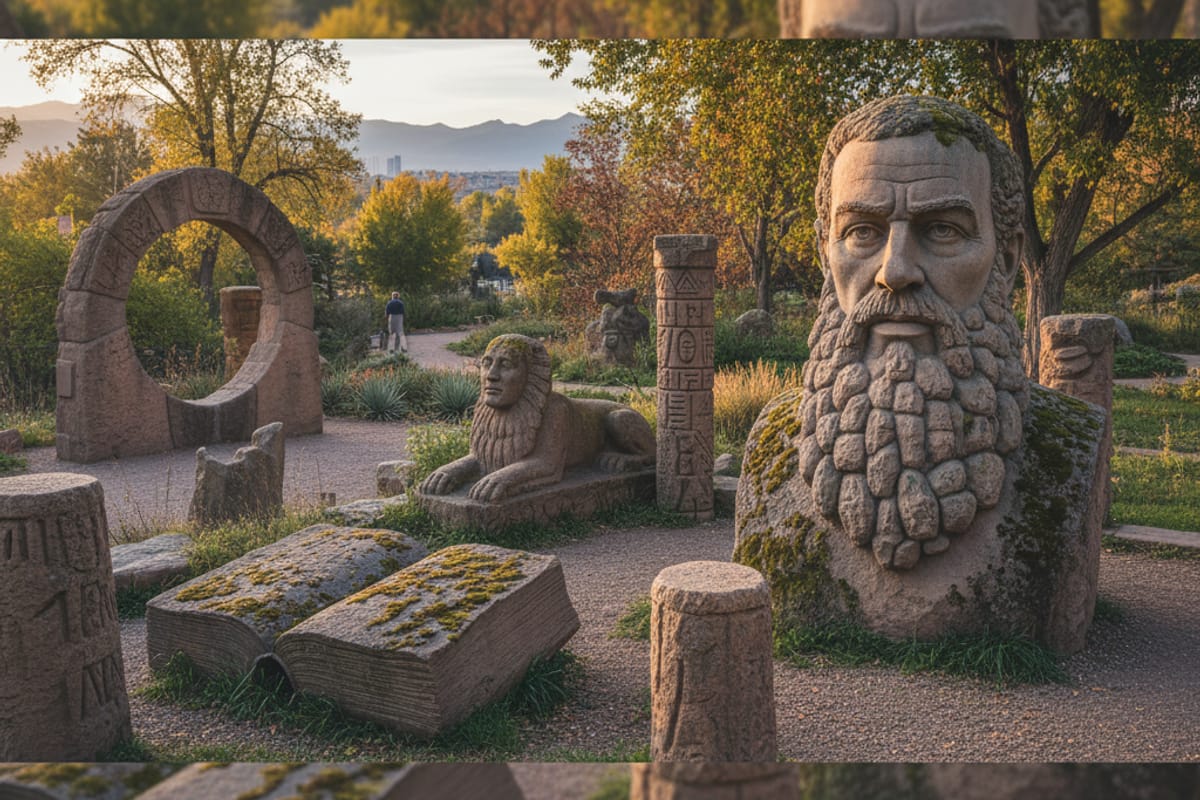 Gilgal Sculpture Garden — folk art, theology, and mystery in a backyard.
Sugar House: The Neighborhood That Feels Like a Small Town
Sugar House is Salt Lake City's oldest commercial district outside of downtown, and it has the character to prove it. Centered around the intersection of 2100 South and 1100 East (about 15 minutes south of downtown), this neighborhood has been quietly building one of the best collections of independent businesses, restaurants, and parks in the city.
The name comes from a sugar beet factory that operated here in the mid-1800s — the factory is long gone, but the independent spirit remains. Sugar House Park is the neighborhood's crown jewel: 110 acres of rolling hills, mature trees, a large pond, and running paths with mountain views in every direction. On summer evenings, the park fills with families, joggers, and pickup soccer games. The Fourth of July fireworks show here is one of the best in the state.
Wasatch Brewery's Sugar House pub has been a neighborhood institution for decades. The burgers are excellent, the beer is fresh from the tank, and the patio is where half the neighborhood ends up on Friday evenings. Pints run $5-7 and the atmosphere is perfectly unpretentious. Sugarhouse Barbecue Company on 2100 South does legitimately good brisket and pulled pork — not Texas-level, but remarkably good for a Utah barbecue joint, with plates running $14-18.
The shopping along 2100 South and Highland Drive is almost entirely independent. Fice Clothing is a local menswear brand that manufactures everything in-house. Sugar House Coffee is a community hub with excellent espresso and a rotating collection of local art. The Sprague Library branch, a mid-century gem on Highland Drive, has been beautifully restored and hosts community events throughout the year.
Sugar House has become increasingly popular with young professionals and families, which means new restaurants and shops are opening regularly. Publik Coffee Roasters has an airy, industrial-chic space that rivals any Brooklyn coffee shop. Traditions, a boutique on Highland Drive, sells locally made gifts, jewelry, and home goods. The neighborhood also has excellent vintage shopping — check Iconoclad and Decades for curated selections.
The S-Line streetcar connects Sugar House to downtown via the TRAX system, making it easy to visit without a car. The streetcar runs along a converted rail corridor that's also a popular walking and biking path — a nice way to see the residential neighborhoods between downtown and Sugar House.
Pro tip: Sugar House Park is busiest on weekends. Visit on a weekday evening for a quieter experience — bring dinner from Sugarhouse Barbecue and eat at one of the picnic tables overlooking the pond. The sunset views toward the Oquirrh Mountains are remarkable from the park's west-facing hillside.
Tracy Aviary: A World-Class Bird Park in the Middle of the City
Inside Liberty Park, about 10 minutes south of downtown, Tracy Aviary is one of only two free-standing aviaries in the United States, and it's been operating since 1938. With over 400 birds from 135 species, it's far more impressive than most visitors expect — this isn't a handful of pigeons in a cage. It's a genuinely world-class facility focused on conservation, education, and the kind of up-close bird encounters that make you see these animals in an entirely new way.
The aviary is organized into themed exhibits. The Owl Forest lets you walk through a habitat with great horned owls, barn owls, and screech owls perched at eye level just a few feet away. The Treasures of the Rainforest exhibit immerses you in a tropical environment with free-flying parrots, toucans, and hummingbirds — birds will land on your arms and shoulders if you stand still. The Andean condor exhibit features one of the largest flying birds in the world, with a wingspan that stretches over 10 feet.
The daily bird shows are the highlight. Keepers bring out ambassador birds — hawks, eagles, owls, and parrots — and talk about their natural behaviors, conservation status, and individual stories. Many of the birds in the aviary were rescued from the illegal pet trade, injured in the wild, or bred as part of conservation programs. The shows run at 11 AM, 1 PM, and 3 PM daily, and they're included with admission.
Admission is $12 for adults, $10 for kids (3-12), and free for children under 3. The aviary offers a "Feed the Birds" experience ($5 extra) where you can hand-feed lorikeets with a small cup of nectar — it's wildly popular with kids but genuinely delightful for adults too. The gift shop is better than average, with locally made items and bird-themed art.
The aviary takes about 1.5-2 hours to explore thoroughly. Combine it with a walk around Liberty Park itself — the park has a pond, a playground, a public pool in summer, and the Chase Home Museum of Utah Folk Arts (free admission). The Sunday Farmers Market at Liberty Park from June through October is one of the largest in the state, with local produce, baked goods, prepared foods, and live music.
Tracy Aviary is an often-overlooked gem that regularly surprises visitors who weren't expecting much. It's small enough to feel intimate but comprehensive enough to be genuinely educational, and the setting inside Liberty Park makes it easy to combine with other activities.
Pro tip: Visit Tracy Aviary first thing in the morning when doors open at 9 AM. The birds are most active in the morning, the crowds are smallest, and the light in the Rainforest exhibit is beautiful. The afternoon bird shows are excellent, but the morning feeding sessions (ask staff about timing) are even better for close encounters.
Spiral Jetty: Robert Smithson's Masterpiece on the Great Salt Lake
Spiral Jetty is one of the most important works of land art in the world, and visiting it is a genuine pilgrimage. Created by artist Robert Smithson in April 1970 on the northeastern shore of the Great Salt Lake, the work is a 1,500-foot-long coil of black basalt rocks, earth, and salt crystals that spirals counterclockwise into the lake. Depending on water levels, it's either submerged, partially visible, or completely exposed and encrusted in white salt crystals. Its appearance changes with every visit.
Getting there is part of the experience. Spiral Jetty is on the northern end of the Great Salt Lake, about 100 miles northwest of Salt Lake City, near the Golden Spike National Historic Site (where the transcontinental railroad was completed in 1869). The drive takes about two hours, and the last 15 miles are on a dirt road that's generally passable for regular cars in dry conditions but can become impassable after rain. There are no signs, no admission fees, no facilities, and no cell service. You navigate by GPS coordinates (41.4377° N, 112.6685° W) and faith.
The remoteness is intentional and essential to the experience. When you finally reach the shore and see the spiral stretching into the pink-tinged water (the color comes from salt-loving bacteria and algae), the isolation amplifies the impact. Smithson chose this location specifically because of its desolation and the otherworldly quality of the lake's north arm, which is significantly saltier than the southern portion due to a railroad causeway that restricts water flow.
In recent years, the Great Salt Lake has experienced historically low water levels due to drought and water diversion, which has kept Spiral Jetty exposed and walkable for extended periods. Walking the full spiral is a meditative experience — the crunch of salt crystals underfoot, the smell of brine, and the vastness of the landscape create something that can't be replicated in any gallery.
Golden Spike National Historic Site, about 30 minutes from Spiral Jetty, is worth combining into the trip. The visitor center tells the story of the transcontinental railroad's completion, and during summer months they have replica locomotives that reenact the golden spike ceremony. Between the two sites, this day trip covers some of the most historically and artistically significant ground in Utah.
The Dia Art Foundation, which has managed Spiral Jetty since 1999, has a helpful page with current conditions and driving directions. Check it before going — if recent rains have made the dirt road muddy, you'll want to postpone. The best months to visit are May through October, and the best light is early morning or late afternoon when the sun casts long shadows across the spiral.
Pro tip: Check the Dia Art Foundation website for current road and water conditions before driving out. Bring a full tank of gas, plenty of water, snacks, and sunscreen — there is absolutely nothing once you leave the paved highway. The dirt road has sharp rocks, so check your spare tire before the trip. Visit at golden hour for photographs that will make your friends jealous.
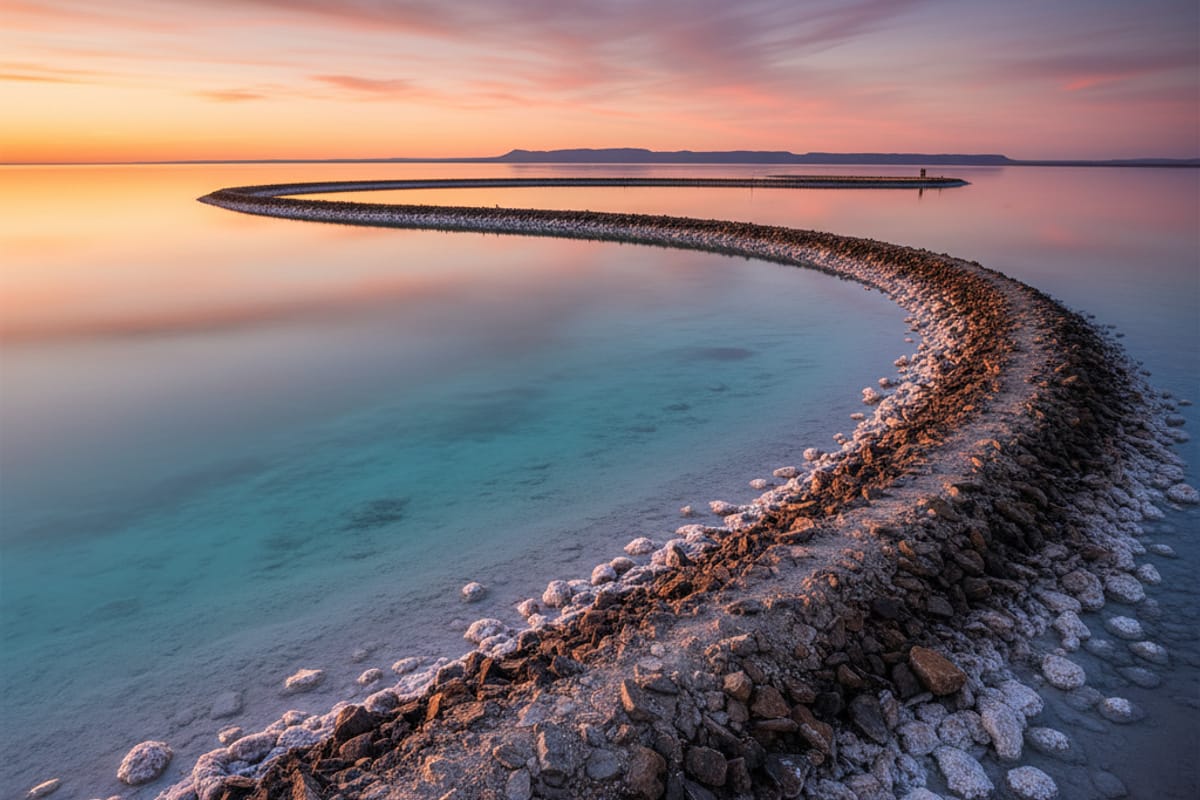 Spiral Jetty — 1,500 feet of basalt spiraling into the Great Salt Lake.
The Underground Bar Scene: Cocktails in Unexpected Places
Salt Lake City's reputation as a dry, buttoned-up city makes the discovery of its bar scene all the more delightful. Behind unmarked doors, in basements, and in converted historic spaces, SLC has developed a cocktail culture that's creative, unpretentious, and surprisingly excellent.
Water Witch on 300 South is the bar that changed perceptions of SLC nightlife. Named for a 19th-century navy ship, it's a dimly lit cocktail bar behind a heavy wooden door with no visible signage from the street. The cocktails are meticulously crafted — the bartenders make their own syrups, tinctures, and infusions — and the menu changes seasonally. Cocktails run $12-16, which is remarkably reasonable for this quality. The vibe is intimate and conversational; this isn't a place to shout over music.
Under Current at the Gallivan Center downtown occupies a subterranean space that feels like a speakeasy without the affectation. The bar is literally underground, accessed by stairs from the street level, and the low ceilings and exposed brick create an atmosphere that's cozy without feeling claustrophobic. Their old-fashioned variations are standouts, and they have an impressive whiskey selection that rivals bars in much larger cities.
Whiskey Street on Main Street takes a different approach — it's not hidden, but it's exceptional. Over 300 whiskeys line the exposed-brick walls, and the cocktail menu balances classic recipes with creative house originals. The rooftop patio, open in warm months, has one of the best views in downtown SLC. Happy hour (4-6 PM weekdays) drops cocktail prices to $8-10.
The Rest on 200 South is another unmarked gem. Look for a small door between two restaurants — inside, it's a moody, elegant space with leather booths and a cocktail menu that focuses on pre-Prohibition-era recipes. Their Martinez (the precursor to the modern martini) is made with authentic ingredients and it's worth a special trip.
For a more casual vibe, Bar X on 200 South has been a downtown anchor since opening in a beautifully restored 1930s space. The neon signs, terrazzo floors, and vintage booths set a tone that's lively without being rowdy. Beer Hive next door (same owners, connected by a doorway) is more pub-oriented with a massive beer selection. The two-for-one cocktail happy hour at Bar X (5-7 PM) is one of the best deals in the city.
The Cliff cocktail lounge in the Kimpton Hotel Monaco is the upscale option. Floor-to-ceiling windows look out over 200 South, the decor is sleek mid-century modern, and the cocktails are polished and precise. It's the kind of place where you dress up slightly and settle in for a two-hour conversation over beautifully made drinks. Cocktails are $14-18.
A few practical notes on Utah's bar laws: bars close at 1 AM (not 2 AM like most states). You can have up to two drinks in front of you at a time. Liquor pours are measured precisely at 1.5 ounces. None of these rules significantly impact the experience — they're just quirks to be aware of. The bartenders in SLC are used to explaining the rules with humor, and the overall vibe of the bar scene is welcoming and knowledgeable.
Pro tip: Start your evening at Water Witch for craft cocktails, then walk east to Bar X for a more lively atmosphere. Both are on or near 300 South, and the walk between them takes about 10 minutes through a well-lit part of downtown. If you're hungry between bars, Copper Onion is right there for late-night dining.
Why Trust This Guide
Recommendations from locals across 240+ US cities via Recommended.app community data.
Explore More
This guide is part of our Salt Lake City collection. Explore more guides for Salt Lake City →
Salt Lake City has 165 verified businesses on Recommended.app across 65 categories.
Hidden Gems Weekly
3 hidden gems, 2 local quotes, 1 home hack — every Monday. Free forever.
Unsubscribe anytime. No spam.
More from City Guides
 Travel Tips
Salt Lake City on a Budget: Affordable Skiing, Free Hikes & Cheap Eats
 Travel Guide
A Weekend in Salt Lake City: Skiing, Food & Mountain Views
 City Guide
First Time in Salt Lake City? Locals Wish You Knew These 12 Things
 City Guide
We Asked Salt Lake City Locals Where They Actually Eat — Here's What They Said
 Home Services
Water Damage Restoration Near Me: What to Do in the First 24 Hours (2026 Guide)
 Food & Dining