Roof Repair vs Replacement: How to Know Which One You Need
Cost comparisons, lifespan by material, insurance tips, and how to avoid storm-chaser scams
Repair vs. Replace: How to Make the Right Call
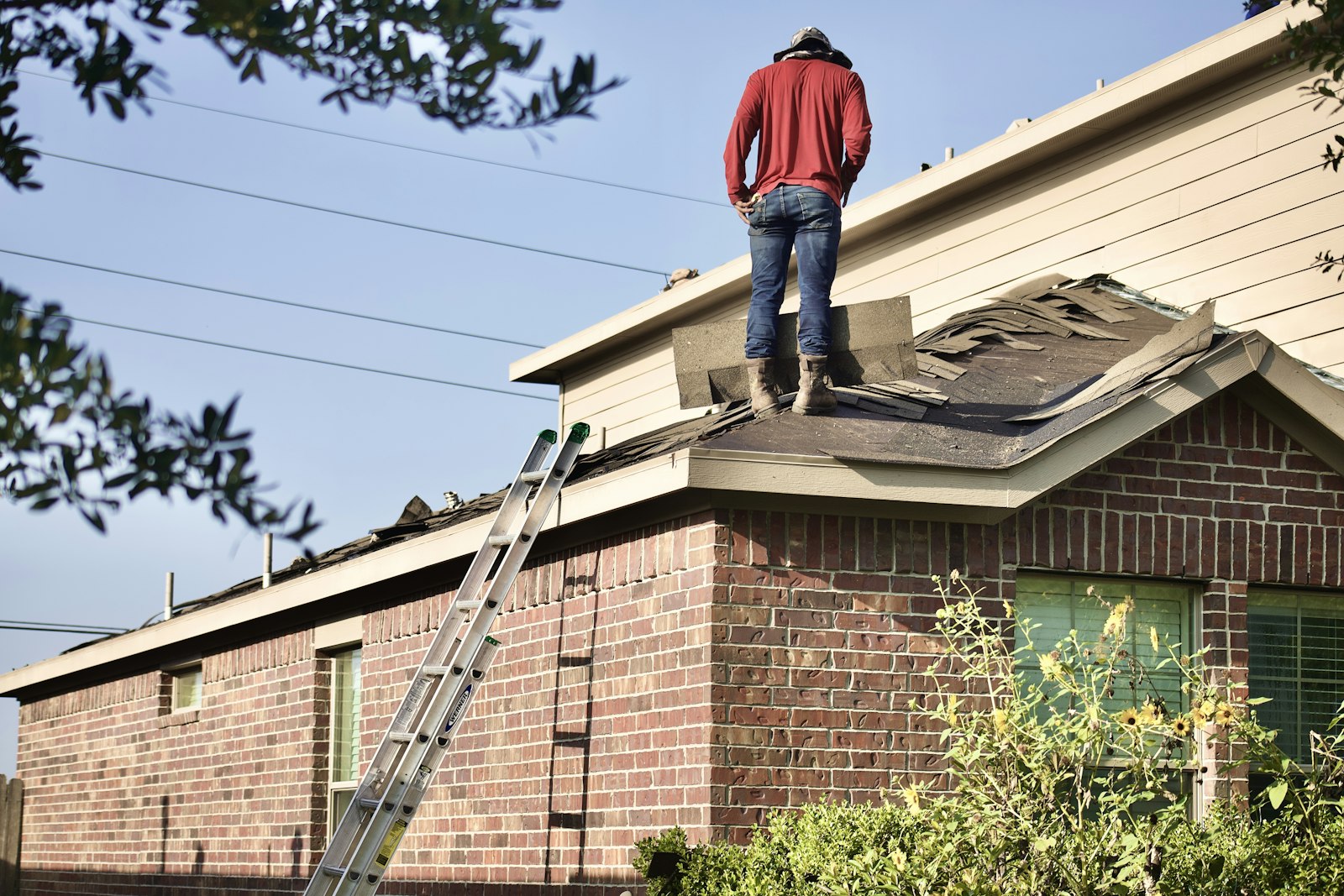
Your roof is arguably the most important structural component of your home — and one of the most expensive to replace. The decision between repair and replacement comes down to three factors: the age of your roof, the extent of the damage, and the cost math.
When repair makes sense: The damage is localized to one area (a few missing or cracked shingles, a small leak around a vent or flashing). Your roof is less than 15 years old. The repair cost is under 30% of a full replacement. There's no widespread granule loss, sagging, or structural damage. Typical repair costs: $300–$1,500 depending on scope.
When replacement is the better investment: Your roof is 20+ years old (for asphalt shingles). You're seeing widespread issues — multiple leaks, curling or buckling shingles, daylight visible through the roof deck. Repairs are becoming a yearly expense. The repair estimate exceeds 30–50% of replacement cost. You're planning to sell in the next few years and need a roof that passes inspection. Typical replacement costs: $8,000–$25,000 for an average home.
The gray zone: Roofs aged 15–20 years with moderate damage. In this case, get 2–3 opinions. Some roofers will push replacement (it's a bigger job), while a repair may buy you 5+ more years.
Roof Lifespan by Material: What to Expect
How long your roof lasts depends entirely on the material. Here's what to expect from each:
3-tab asphalt shingles: 15–20 years. The cheapest option at $4,000–$8,000 installed. Most common on budget homes and rentals. Prone to wind damage and granule loss in extreme heat. Not recommended for desert climates like Las Vegas where UV exposure accelerates deterioration.
Architectural (dimensional) asphalt shingles: 25–30 years. The most popular choice at $8,000–$15,000 installed. Thicker and more durable than 3-tab. Better wind resistance (rated for 110–130 mph). This is the sweet spot for most homeowners.
Metal roofing (standing seam): 40–70 years. Costs $12,000–$25,000 installed. Excellent for energy efficiency — reflects solar heat and can reduce cooling costs by 10–25%. Virtually maintenance-free. Higher upfront cost but lowest lifetime cost per year.
Clay or concrete tile: 50–100 years. Costs $15,000–$35,000 installed. Extremely popular in the Southwest. Very heavy — your roof structure must be engineered to support it. Individual tiles can crack and need replacement, but the system lasts decades.
Slate: 75–150 years. Costs $20,000–$50,000+ installed. The luxury option. Virtually indestructible but extremely heavy and expensive to repair because it requires specialized labor.
Knowing your roof's material and age is the starting point for every repair-or-replace decision. If you don't know, any roofer can tell you during a free inspection.
How to Handle Insurance Claims for Roof Damage
If your roof was damaged by a storm, hail, fallen tree, or other covered event, your homeowner's insurance should help pay for repairs or replacement. Here's how to navigate the process:
Step 1: Document everything immediately. Take photos and video of all visible damage from the ground and inside the attic. Note the date and type of storm. Don't make permanent repairs yet — just cover any openings with a tarp to prevent further damage (this is called "mitigating further loss" and is required by your policy).
Step 2: File the claim promptly. Most policies require you to report damage within a reasonable timeframe. Call your insurance company, file the claim, and get a claim number.
Step 3: Get your own independent estimate. Before the insurance adjuster arrives, have a licensed roofer inspect the damage and provide a written estimate. This gives you leverage if the adjuster's estimate comes in low.
Step 4: Be present for the adjuster's inspection. Walk the property with them and point out all damage. Ask questions. If they miss something, speak up.
Step 5: Know your policy. Most policies cover the actual replacement cost minus your deductible. Typical roof deductibles are $1,000–$2,500 or 1–2% of your home's insured value. Some older policies only cover actual cash value (depreciated value), which pays significantly less.
Important: Never let a roofing company file the insurance claim on your behalf or sign an "Assignment of Benefits" (AOB). This gives them legal control of your claim and often leads to inflated costs, delays, and disputes.
Pro Tip
If your insurance adjuster's estimate seems low, you have the right to request a re-inspection or hire a public adjuster (they typically charge 10–15% of the settlement) to negotiate on your behalf.
How to Vet a Roofing Contractor
Roofing is one of the most fraud-prone segments of home services. Here's how to find a legitimate contractor:
Verify licensing and insurance. Every state requires roofing contractors to be licensed. Check your state's contractor licensing board online. Ask for a certificate of insurance that includes both general liability (at least $1 million) and workers' compensation. Call the insurance company to verify it's active.
Get 3 written estimates. Each estimate should itemize materials, labor, tear-off and disposal, flashing, ventilation, and cleanup. Be wary of estimates that are significantly lower than the others — they're often cutting corners on materials or using subcontractors they don't supervise.
Check their track record. Look for at least 5 years in business, 50+ Google reviews with a 4.5+ rating, and active membership in industry associations. Ask for 3 references from the past year and actually call them.
Ask the right questions: What manufacturer certifications do you hold? (GAF Master Elite, Owens Corning Preferred, CertainTeed SELECT — these allow them to offer extended warranties.) Do you use subcontractors or your own crews? What is your warranty on labor? (Minimum should be 5 years.) Will you provide a written contract with start date, completion date, and payment schedule? Do you handle the building permit?
Payment structure: Never pay more than 30% upfront. A typical schedule is 10–30% deposit, a progress payment when materials are delivered, and final payment on completion and your satisfaction. Never pay in full before the job is done.
Red Flags: Storm Chasers and Roofing Scams
After every major storm, a wave of out-of-town roofing companies descends on affected neighborhoods. These "storm chasers" are responsible for a huge percentage of roofing fraud. Here's what to watch for:
Door-to-door solicitation after a storm. Legitimate roofing companies don't need to canvass neighborhoods. If someone knocks on your door offering a "free inspection" after a hailstorm, be extremely cautious. They're often looking to inflate an insurance claim and pocket the difference.
Pressure to sign immediately. "We have a crew available right now" or "this pricing won't last" are high-pressure tactics. A legitimate roofer will give you time to compare estimates and make an informed decision.
Offering to cover your deductible. This is insurance fraud — for both you and the contractor. It's illegal in most states. If a roofer offers to waive or cover your deductible, walk away.
No local address or references. Storm chasers work an area after a weather event and move on. They won't be around in 2 years when a leak develops. Always verify the company has a physical office in your area and has been in business locally for at least 3 years.
Asking you to sign an Assignment of Benefits (AOB). This document gives the contractor legal authority over your insurance claim. They can inflate costs, file lawsuits against your insurer in your name, and leave you with no control over the process.
Demanding large upfront payments. A contractor asking for 50%+ before starting work, especially if they want cash or a check made out to an individual rather than a company, is a major red flag. Many storm-chaser scams involve collecting deposits and disappearing.
Find Trusted Roofing Contractors Near You
Whether you need a minor repair or a full roof replacement, the most important step is finding a contractor you can trust. Get multiple estimates, verify credentials, and never rush into a decision — especially after storm damage when emotions are high and scammers are circling.
Seasonal timing matters for pricing. The best time to schedule a non-emergency roof replacement is late fall through early spring, when roofing companies are less busy. You'll often get better pricing and faster scheduling. Avoid the peak season (late spring through summer) if you can — that's when demand is highest and contractors have less incentive to negotiate.
For Las Vegas homeowners, pay special attention to UV and heat damage. Desert sun breaks down asphalt shingles faster than any other climate factor. If your shingles are curling, losing granules, or cracking, it's time for an inspection even if there's no leak yet. Consider upgrading to tile or metal for significantly longer lifespan in extreme heat.
Explore More
Disclosure: This post may contain affiliate links. We earn a commission at no additional cost to you when you purchase through our links.